
TL;DR
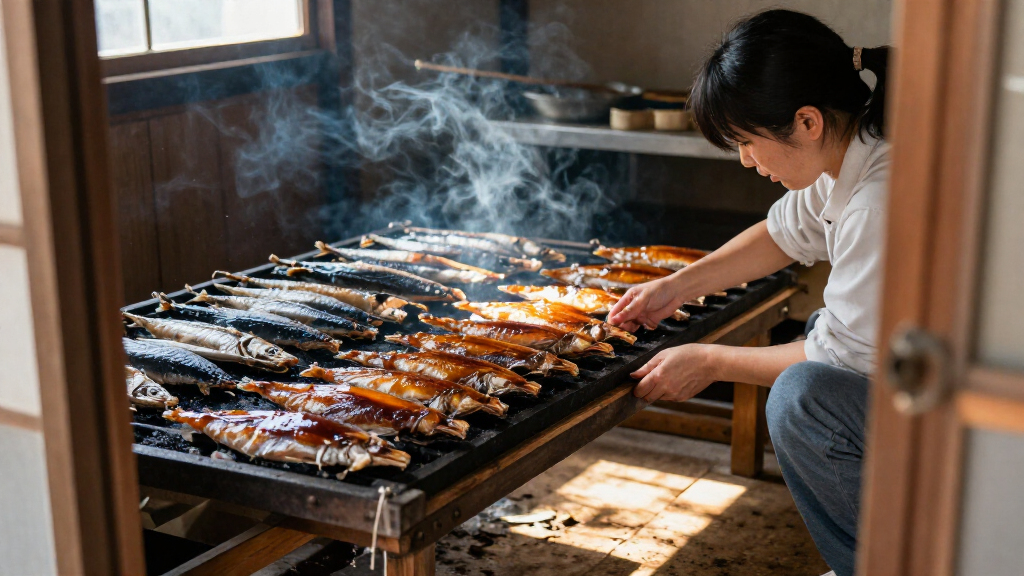
A report posted Oct. 20 describes how Kanesa Katsuobushi Shoten in Nishi-Izu, Japan, makes katsuobushi, or dried bonito. The workshop uses a hand-fired smoking method, followed by koji fermentation and months of sun-drying; the account says the process can take more than half a year.
A report posted Oct. 20 documents how Kanesa Katsuobushi Shoten, a workshop in Nishi-Izu, Japan, makes katsuobushi through hand-fired smoking, mold fermentation and months of drying. The account follows fifth-generation craftsman Yasuhisa Serizawa as he uses a traditional method that the workshop says only a few bonito producers in Japan still practice.

Get kitchen staples and gadgets delivered free with Prime
- Fast, free delivery on millions of items
- Prime Video, Amazon Music and more included
- Member-only deals all year
The process begins with fresh bonito, which is filleted and boiled for about 90 minutes, according to the report. The fish is then smoked and dried repeatedly over a wood fire, with the workshop’s description saying the pieces are exposed to smoke more than 10 times. Workers repair cracks or gaps with bonito paste before the fish is treated with koji mold and dried in the sun.
The full process takes more than six months, the report says. By its end, the fish has become hard and dry. Katsuobushi is commonly shaved into thin flakes for use in Japanese cooking, though the report focuses on how the blocks are made rather than detailing their culinary uses.
The workshop identifies its smoking approach as the Tebiyama-shiki method. Its account describes a vertical pit roughly two meters deep, where firewood from the Izu region is burned and the bonito is smoked and dried over the open flame. The cited woods include oak, sawtooth oak and cherry.
A Labor-Intensive Bonito Process
The method shows how a familiar dried ingredient can depend on a long chain of skilled work rather than a single drying stage. Filleting, boiling, repeated smoking, surface repairs, koji treatment and sun-drying each contribute to a process that lasts over half a year, according to the report.
For readers, the account offers a view of how food-making knowledge is maintained at a particular workshop. Kanesa was founded in 1882, and Serizawa is described as its fifth-generation craftsman. The report says only a few producers in Japan continue to use this hand-fired style, making the workshop’s practice a specific example of a method that is not widely retained.
The workshop says the direct heat and smoke produce a rich flavor by locking in umami. That is the producer’s explanation of the method’s result, not an independently tested comparison in the material provided.
Products Worth Considering

De'Longhi Classic Signature Espresso Machine with Adjustable Milk Frother

Ninja French Door Premier 10-in-1 Air Fry Oven, 20.3 Qt, Stainless Steel, FO101

Vitamix 5200 Blender with 64 oz Container, Black
As an affiliate, we earn on qualifying purchases.
The Workshop’s Edo-Period Method
The report places the workshop in Nishi-Izu and describes its production as drawing on a technique associated with the Edo period. Kanesa’s website, as quoted in the report through a Google translation, says the smoking practice has been used in the Tago district of West Izu for a long time and is believed to date back about 300 years.
The workshop calls Tebiyama-shiki the oldest existing smoking method and describes it as a practice continued by only a few bonito-flake manufacturers nationwide. These historical and rarity descriptions come from the company’s account; the supplied material does not provide independent records verifying the age of the method or counting current practitioners.
“This method of making dried bonito flakes has been used in the Tago district of West Izu for a long time, and its history is said to date back about 300 years.”
— Kanesa Katsuobushi Shoten, in a website description translated into English by Google and quoted in the report
What the Report Does Not Verify
The source material describes one workshop and does not establish how many producers still use Tebiyama-shiki or independently confirm the method’s claimed 300-year history. The phrase “world’s hardest food,” used in the original report’s framing, is not supported there by a measurement or comparison and should be understood as a description rather than a verified ranking.
The report also does not provide details about production volume, the specific bonito species or catch source, food-safety controls, or how the workshop’s process varies by season. Its account gives the main stages and approximate duration but not measurements for the smoking, fermentation or drying conditions.
From Smoking to Shaved Flakes
The reported process continues through koji treatment and sun-drying for months until the fish is sufficiently dry and firm. The material does not give a specific completion date for any batch or announce a new product or change in production. Readers seeking further details can consult Kanesa Katsuobushi Shoten’s website, which the original report points to for information about its smoking method.
Key Questions
What is katsuobushi?
Katsuobushi is Japanese dried bonito. The report follows its production as a dried fish product that can later be shaved into flakes.
How long does the workshop’s process take?
The report says the process lasts more than half a year, including repeated smoking, koji treatment and months of sun-drying.
What is the Tebiyama-shiki method?
It is the workshop’s name for a hand-fired smoking and drying method. Its description says firewood is burned in a vertical pit about two meters deep to smoke the bonito.
Is the method really 300 years old?
The workshop says the method is believed to date back about 300 years. The report quotes that company account but does not provide independent historical evidence.
Who makes the bonito at Kanesa?
The report identifies Yasuhisa Serizawa as a fifth-generation craftsman at Kanesa Katsuobushi Shoten, a workshop founded in 1882.
Source: hn