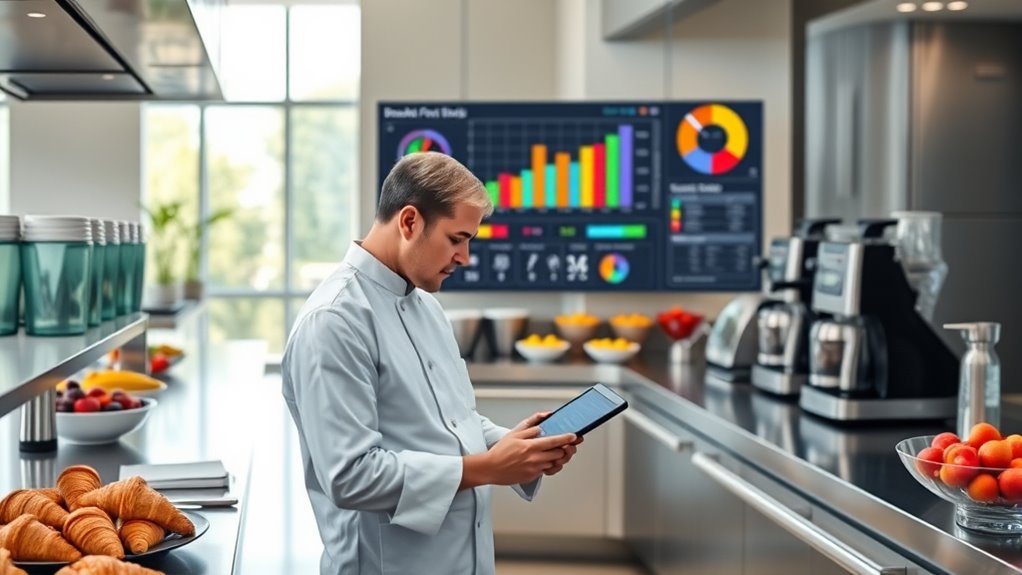

By using BI tools, you can analyze past orders, customer feedback, and social media trends to craft tailored breakfast menus. These insights help identify popular ingredients, emerging dietary preferences, and seasonal demand patterns. As a result, you can select ingredients more efficiently, reduce waste, and offer menus that really resonate with your clients. If you keep exploring, you’ll uncover even more ways BI tools can help elevate your catering services.
Key Takeaways
- BI tools analyze customer data to identify popular ingredients and trending breakfast options for menu customization.
- They forecast demand to optimize ingredient procurement and reduce waste, ensuring cost-effective menu planning.
- Market trend analysis helps caterers align menus with emerging preferences like plant-based or gluten-free options.
- Customer feedback and purchase patterns enable personalized breakfast offerings, boosting satisfaction and loyalty.
- BI-driven insights anticipate future trends, allowing proactive menu adjustments to stay competitive and innovative.

Have you ever wondered how catering services are becoming more efficient and personalized? The secret lies in leveraging data-driven insights, especially when planning breakfast menus. Modern catering companies now use business intelligence (BI) tools to analyze customer preferences, trends, and ingredient selection, ensuring every meal hits the mark. Instead of relying solely on intuition or past experiences, you can make informed decisions that enhance customer satisfaction and streamline operations.
Leveraging data-driven insights transforms catering into a more personalized and efficient service experience.
When it comes to ingredient selection, BI tools provide valuable data on what ingredients are most popular or trending among your target audience. By analyzing purchase history, feedback, and order patterns, you can identify which ingredients resonate most with your clients. This helps you curate breakfast options that are not only fresh and appealing but also aligned with current dietary trends or specific customer preferences. For example, if data shows a rising demand for plant-based options, you can incorporate more vegan ingredients into your menu, appealing to health-conscious or ethically motivated clients.
Customer preferences are at the heart of data-driven catering. BI tools gather and interpret data from various sources—online surveys, social media feedback, and previous orders—to build detailed profiles of your customers’ tastes. This information enables you to customize breakfast menus for different groups, whether it’s a corporate event, a wedding, or a community gathering. You can offer tailored options, such as gluten-free muffins or low-sugar yogurt parfaits, that meet specific dietary needs and preferences. By doing so, you demonstrate that you value their choices, which builds loyalty and encourages repeat business.
Moreover, these insights allow you to predict future demand more accurately. If data indicates a surge in demand for certain items during specific seasons or events, you can adjust your ingredient procurement accordingly, reducing waste and controlling costs. BI tools also help you identify gaps in your current offerings, inspiring you to innovate and introduce new items that align with emerging trends or customer desires.
Utilizing market trend analysis from your data can further refine your offerings, keeping your menu competitive and appealing. Using data to inform your menu planning isn’t just about satisfying current preferences; it’s about anticipating what your customers will want next. This proactive approach positions your catering service as modern, attentive, and customer-centric. It’s no longer enough to guess what people might like; with the right data, you can craft breakfast menus that are both efficient to produce and deeply personalized. In the end, integrating BI tools into your planning process elevates your service, making every breakfast experience memorable and tailored perfectly to your clientele’s evolving tastes.
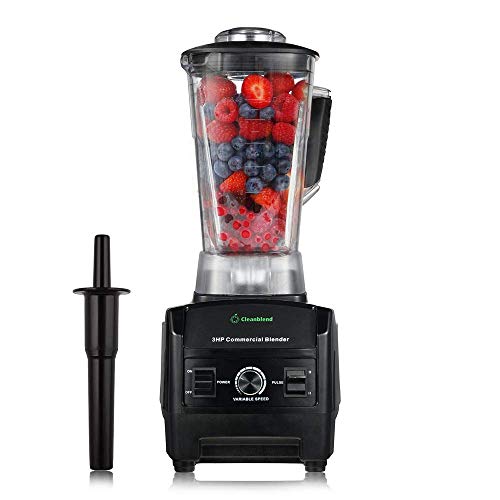
Cleanblend Commercial Blender with 5-Year Full Warranty - 1800W, 3HP, 64oz High-Performance Professional Countertop Blender with Stainless Steel Blades
POWERFUL BLENDING PERFORMANCE – Features a 3 HP, 1800-watt motor designed to handle a variety of blending tasks....
As an affiliate, we earn on qualifying purchases.
Frequently Asked Questions
How Can BI Tools Predict Future Breakfast Trends Accurately?
You can predict future breakfast trends accurately by leveraging BI tools for trend forecasting and analyzing consumer behavior. These tools gather real-time data from sales, social media, and customer feedback, allowing you to identify shifting preferences. By recognizing patterns early, you can adjust your menu offerings proactively, ensuring you’re aligned with emerging trends and satisfying customer demands before your competitors even notice.
What Are the Costs Associated With Implementing BI Tools for Catering?
Implementing BI tools for catering involves upfront implementation costs, including software licensing and setup, as well as ongoing expenses. Hardware expenses, like servers or upgraded computers, can add to your budget. You might also face training costs for staff to effectively use the tools. While these costs vary, investing in BI helps you optimize menus and reduce waste, ultimately providing a good return on your investment.
How Do BI Tools Handle Seasonal or Regional Breakfast Preferences?
BI tools handle seasonal variations and regional preferences by analyzing sales data, customer feedback, and regional trends. You can set parameters to track changes across different times of the year or specific locations, helping you adapt menus accordingly. This allows you to optimize offerings for customer tastes, ensuring your breakfast options stay relevant and appealing, regardless of seasonal shifts or regional differences, ultimately boosting satisfaction and sales.
Can Small Catering Businesses Effectively Use BI Tools?
Yes, small catering businesses can effectively use BI tools by analyzing customer feedback and competitor analysis. These tools help you identify what your customers prefer and spot gaps in the market. You can quickly adapt your breakfast menus to meet changing tastes and stay ahead of competitors. With user-friendly dashboards, you get actionable insights, making it easier to optimize offerings and grow your business efficiently.
What Data Privacy Concerns Arise With Bi-Driven Breakfast Planning?
You need to contemplate data security and consent management when using BI tools for breakfast planning. Protect customer data by implementing strong security measures to prevent breaches. Always obtain clear consent before collecting personal information, and give customers control over their data. Failing to address these concerns can lead to privacy violations, legal issues, and loss of trust, so stay vigilant and prioritize responsible data handling practices.

WaterElfo Commercial Blender 2200W 2.1QT 68OZ Quiet Blender Brushless Motors Commercial Smoothies, Frozen Drinks,Self-Cleaning,Electric Countertop Blenders Heavy-Duty,Silver Grey
Great Momentum:Commercial BlenderAdopting 120V2200W Pure Copper brushless motor, High Efficiency And low Energy Consumption With High Stability And...
As an affiliate, we earn on qualifying purchases.
Conclusion
So, next time your breakfast orders turn into a 24-hour surprise party, blame the old-school guesswork. Thanks to BI tools, you can finally stop playing breakfast roulette and start serving what your customers actually want—without the guesswork, the waste, or the existential dread. Who knew data-driven menus could turn breakfast chaos into a well-oiled, profitable machine? Embrace the tech, and say goodbye to breakfast blunders forever. Your future self (and your stomach) will thank you.
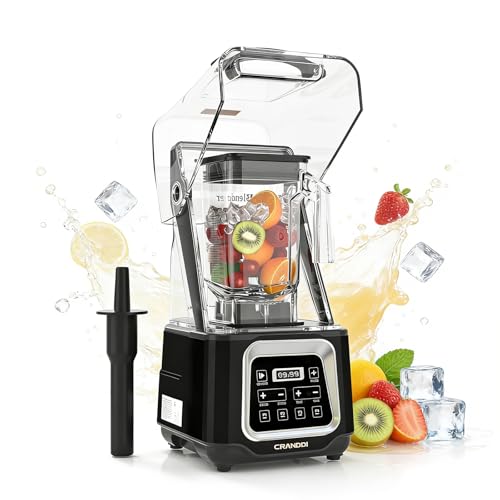
CRANDDI Commercial Smoothie Blender, 2200W Professional Blenders with 4 Pre-Programmed Cycles, commercial blender with Removable Shield, 52oz Jar, Upgraded Blade, K80TS (Black)
【Commercial Smoothie Blender】 This quiet blender is an all-in-one appliance that can make smoothies, fresh juice, ice cream,...
As an affiliate, we earn on qualifying purchases.

CRANDDI Professional Commercial Blender, Max 1500W, 80oz Pitcher, Powerful Blender with Tamper for Smoothie, Ice Crushing, Variable 9 Speeds Control,110V, K96, Black
POWERFUL MOTOR: Professional-grade 1500W motor and 24,000 RPM delivers exceptional blending performance for crushing ice, frozen fruits, and...
As an affiliate, we earn on qualifying purchases.