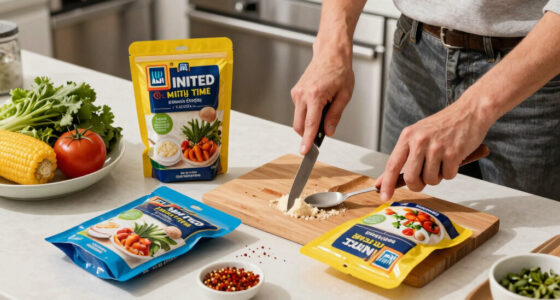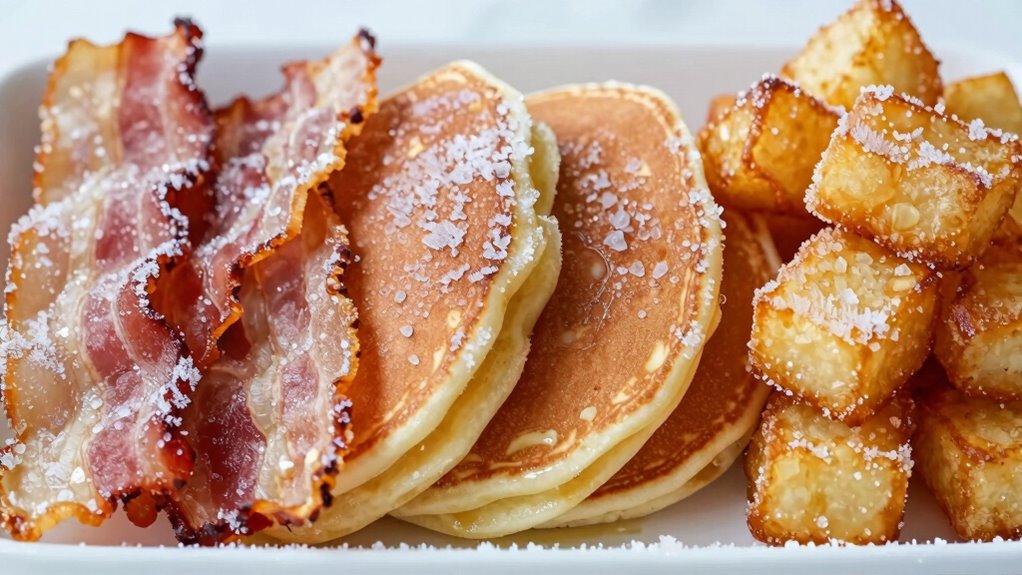

Freezer burn happens when moisture escapes from your breakfast foods during freezing, causing dehydration and ice crystal formation on the surface. This results in dry, discolored patches, tough textures, and off-flavors, making your meals taste “off” even if they are still safe to eat. Proper packaging and maintaining a consistent freezing temperature help prevent it. To discover how to keep your breakfasts fresh and flavorful, keep exploring the details below.

Get kitchen staples and gadgets delivered free with Prime
- Fast, free delivery on millions of items
- Prime Video, Amazon Music and more included
- Member-only deals all year
Key Takeaways
- Freezer burn occurs when moisture evaporates from food during freezing, causing dehydration and surface ice crystals.
- It leads to dull appearance, discoloration, and tough, dry textures in breakfast foods like pancakes and berries.
- Freezer burn affects flavor, making foods taste bland, off, or stale, though it doesn’t typically compromise safety.
- Proper packaging, such as airtight containers or vacuum-sealing, and maintaining consistent temperatures below 0°F prevent freezer burn.
- Removing affected areas or resealing foods can minimize freezer burn’s impact, but severe cases may require discarding for best quality.
airtight food storage containers for freezer
As an affiliate, we earn on qualifying purchases.
As an affiliate, we earn on qualifying purchases.
What Is Freezer Burn and Why Does It Happen?
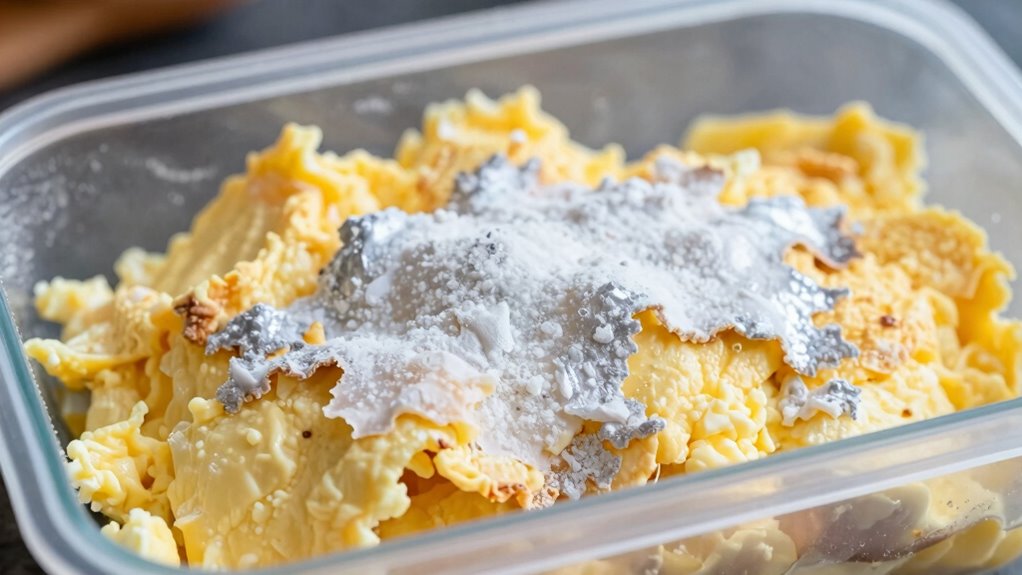
Have you ever noticed dry, leathery patches on frozen food that seem to be taking over? That’s freezer burn, a common issue caused by moisture loss during freezing. When food isn’t properly wrapped or stored, ice crystals form on its surface, drawing out moisture over time. This process leads to dehydration and oxidation, which cause the food to develop that dull, discolored appearance and tough texture. Freezer burn isn’t a sign of food spoilage or that the food is unsafe, but it does degrade quality and flavor. The more exposed your food is to air and fluctuations in temperature, the more likely it is to develop freezer burn. Proper packaging techniques and maintaining a consistent freezer temperature are key to preventing it. Using adequate insulation to protect stored foods can also help reduce moisture loss and preserve freshness. Additionally, understanding the importance of temperature stability can further help in minimizing freezer burn over time. Regularly monitoring your freezer’s temperature settings can help ensure optimal storage conditions and prevent unwanted dehydration.
How Can You Tell if Your Breakfast Foods Have Freezer Burn?
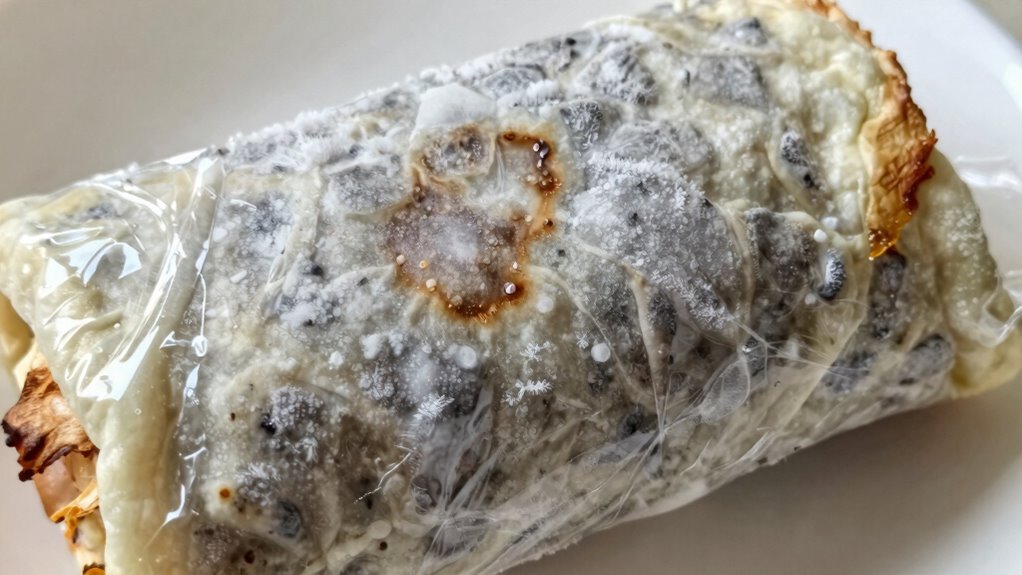
Noticing changes in your breakfast foods after freezing is the first step in identifying freezer burn. Look for clear freezer burn signs, such as dry, discolored patches or leathery textures on your items. These visual cues are key food spoilage indicators that your food has been affected. You might also notice a dull or faded appearance, especially on fruits, pancakes, or cooked breakfast meats. Sometimes, the affected areas develop a waxy or frosty coating. While freezer burn doesn’t always mean food is unsafe, these signs suggest quality loss. If your breakfast items have these indicators, they likely won’t taste fresh and may have an off or stale flavor. Recognizing these freezer burn signs helps you decide whether to salvage, repurpose, or discard your foods. Proper food storage techniques can help prevent freezer burn and extend the freshness of your breakfast items, ensuring better taste and texture. Additionally, understanding the causes of freezer burn can help you take proactive steps to protect your stored foods. For example, maintaining a consistent freezer temperature and minimizing air exposure are effective prevention methods that can significantly reduce freezer burn occurrence. Being aware of the signs of freezer burn can also help you better manage your frozen foods and avoid unnecessary waste.
How Freezer Burn Changes the Texture and Taste of Breakfast Items
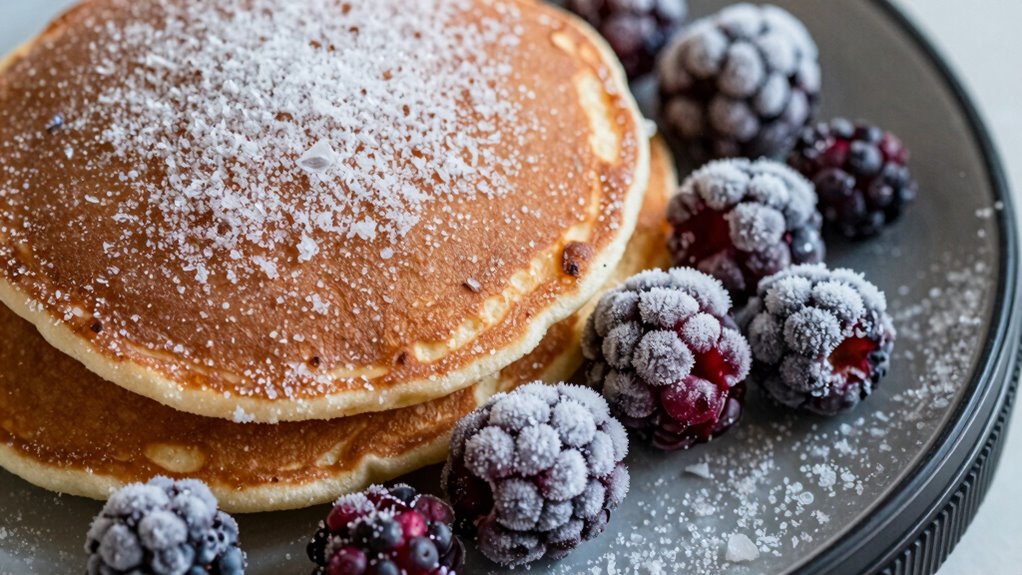
Freezer burn considerably impacts the texture and taste of breakfast items, making them less appealing and often unappetizing. When your freezer temperature isn’t cold enough, ice crystal formation occurs on the surface and inside foods. These ice crystals puncture cell walls, causing texture changes like dryness, hardness, or graininess. For example, pancakes may become tough and crumbly, while berries turn mushy and flavorless. The taste also suffers because freezer burn causes dehydration and oxidation, leading to off-flavors and stale notes. The longer the freezer burn persists, the more pronounced these changes become. Keeping your freezer cold enough helps prevent ice crystal formation, maintaining your breakfast foods’ original texture and flavor. Proper storage minimizes freezer burn’s damaging effects. Effective freezer organization can also help ensure consistent temperatures and reduce the risk of freezer burn. Additionally, understanding freezer temperature control is crucial for maintaining food quality over time. Maintaining optimal freezing temperatures is essential to prevent moisture loss and preserve flavor integrity, especially when considering temperature stability as a key factor in preventing freezer burn.
Does Freezer Burn Affect the Nutritional Value of Your Breakfast Foods?
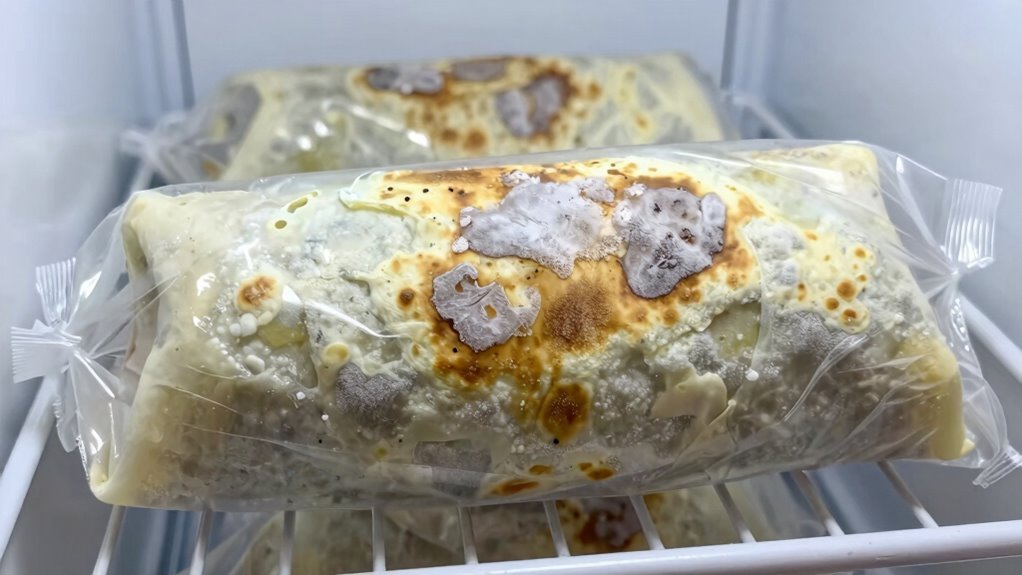
While freezer burn considerably alters the texture and flavor of breakfast foods, many wonder if it also impacts their nutritional value. Freezer burn causes some degree of nutritional degradation, primarily through vitamin loss. Exposure to air and moisture leads to oxidation, which can break down sensitive vitamins like A, C, and certain B vitamins. However, the overall nutritional loss is generally minimal and unlikely to profoundly affect your diet. Most of the essential nutrients remain intact, especially if the food was fresh before freezing. Additionally, proper storage techniques can help minimize nutrient deterioration. Proper sealing and maintaining consistent freezer temperatures are key preventative measures. For instance, quick freezing methods can help preserve nutrient content by reducing exposure to damaging elements. Moreover, understanding freezing methods can further enhance nutrient retention and food quality. Using appropriate freezing containers can also prevent air exposure that causes freezer burn. So, although freezer burn might make your breakfast items less appealing in taste and texture, it doesn’t drastically diminish their nutritional content. You can still enjoy your meals without worrying about missing out on crucial nutrients.
Easy Ways to Prevent Freezer Burn When Freezing Breakfast Foods
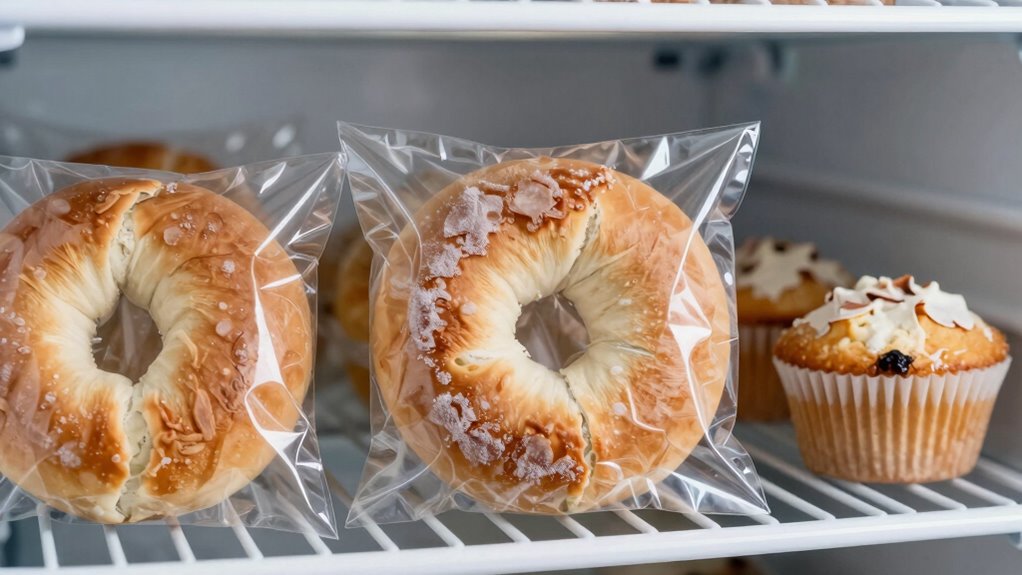
To prevent freezer burn when freezing breakfast foods, taking simple, proactive steps can make a big difference. First, keep your freezer temperature at or below 0°F (−18°C) to slow moisture loss. Proper packaging materials are essential; use airtight containers or heavy-duty freezer bags to minimize air exposure. Squeezing out excess air before sealing helps prevent frost formation. Label and date your packages so you consume older items first, reducing the chance of prolonged freezer storage. Avoid overpacking the freezer, which can cause temperature fluctuations. Regularly check your freezer’s temperature with a thermometer to ensure it stays consistent. Using proper storage techniques can also help maintain food quality, prevent freezer burn, and keep your breakfast foods tasting fresh long after freezing. Additionally, incorporating appropriate packaging materials such as vacuum-sealed bags can further protect foods from moisture loss and air exposure. Maintaining a consistent freezer temperature is crucial, as fluctuations can accelerate freezer burn and compromise food quality over time.
How to Properly Package and Store Breakfast Items to Keep Them Fresh
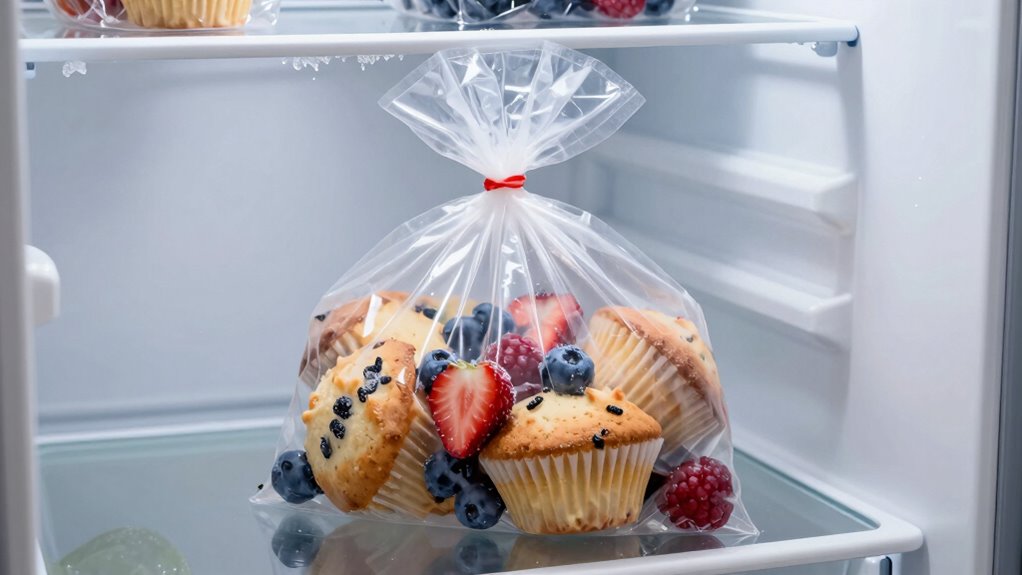
Proper packaging is essential for keeping breakfast items fresh and preventing freezer burn. To maximize freshness, use airtight containers to seal your foods tightly, preventing air exposure that causes freezer burn. Vacuum sealing is another effective method, removing air completely and creating a secure, long-lasting seal. When storing breakfast items like waffles, pancakes, or breakfast burritos, ensure they are cooled before packaging to avoid condensation. Label each package with the date to track freshness. For best results, store similar items together and avoid overpacking, which can compromise the seal. Proper packaging techniques help preserve flavor, texture, and nutritional value, guaranteeing your breakfast remains tasty and fresh when you’re ready to enjoy it. Additionally, understanding food preservation methods can inspire you to craft engaging meal prep routines that motivate consistent healthy eating. Incorporating proper freezer organization can further enhance your ability to quickly find and use frozen breakfast items, reducing waste and ensuring freshness. Using the right packaging materials also minimizes air exposure, which is a primary cause of freezer burn and quality loss.
How to Fix or Minimize Freezer Burn on Your Breakfast Foods
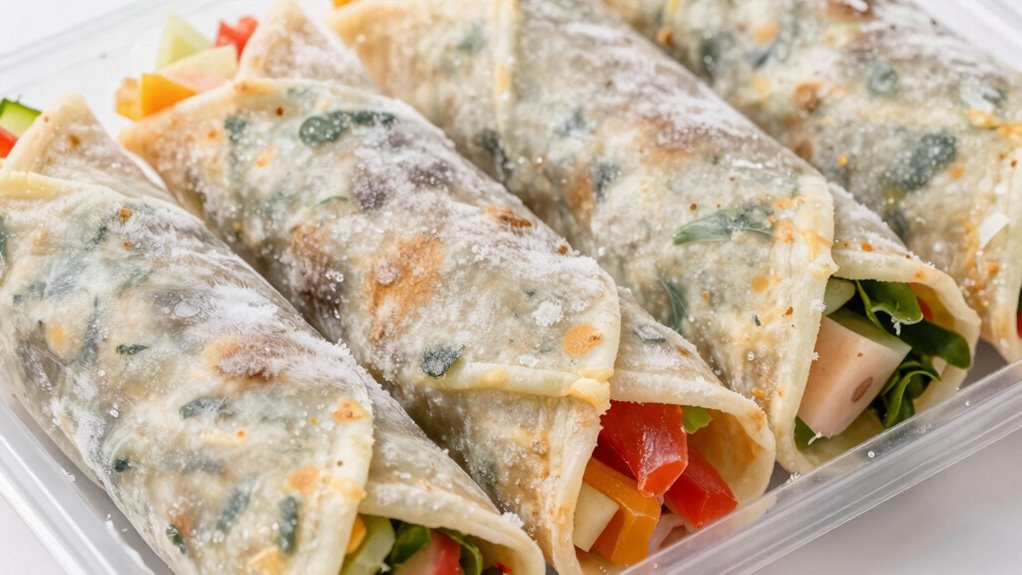
Freezer burn can be frustrating, but there are ways to fix or minimize its effects on your breakfast foods. First, ensure you practice proper freezer safety by storing items at consistent temperatures and avoiding frequent temperature fluctuations. To reduce freezer burn, wrap breakfast foods tightly with airtight packaging or use vacuum-sealed bags, removing as much air as possible. If you notice minor freezer burn, you can cut away the affected areas before cooking or eating. Proper food labeling helps you keep track of storage times, preventing overexposure to air that causes freezer burn. While you can’t fully reverse freezer burn, these steps will help preserve flavor and texture, making your breakfast prep taste fresher and preventing waste.
When Is It Safe to Eat Freezer-Burned Breakfast Items?
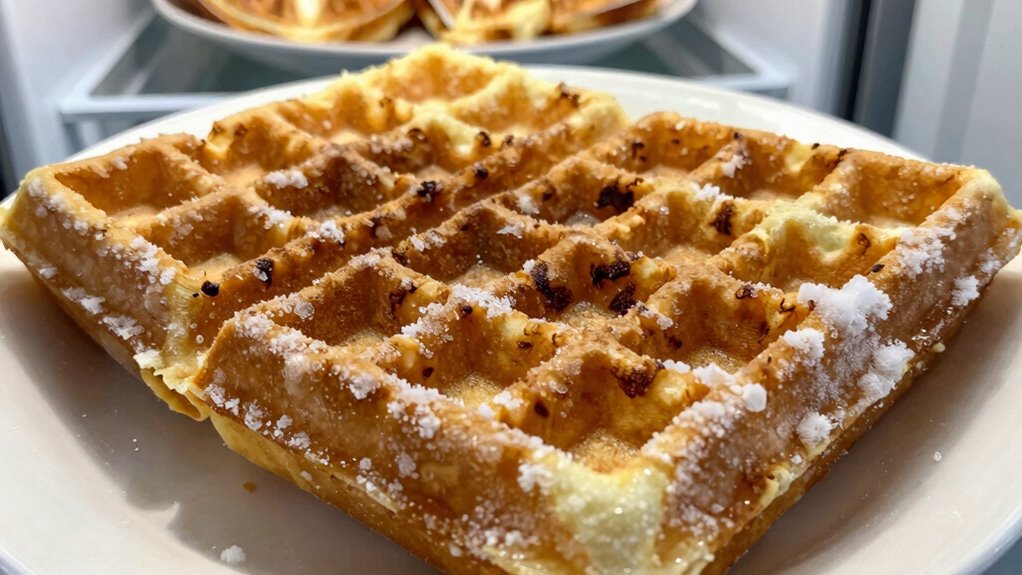
You should carefully check freezer-burned breakfast items for visual signs like discoloration or ice crystals before eating. Keep in mind that storage time matters—if they’ve been frozen too long, safety might be compromised. Even if they look okay, be aware that taste and texture changes can affect your eating experience.
Visual Inspection Indicators
How can you tell if freezer-burned breakfast items are still safe to eat? Visual cues are your best guide. Check for color changes on the surface—frosted or grayish patches often indicate freezer burn. Look for dry, leathery textures or white spots, which signal dehydration. Small discolorations or duller appearances are normal, but extensive color changes suggest the food may have lost quality. If the item smells off or has an unusual odor, it’s best to discard it. Remember, while freezer-burned food isn’t necessarily unsafe, visual inspection helps determine whether it’s worth eating. Keep an eye out for these visual indicators to make safe, informed decisions about your breakfast prep.
Storage Duration Limits
While visual cues help identify freezer burn, understanding how long items can safely stay in the freezer is equally important. The freezer temperature should stay at 0°F (-18°C) or lower to prevent bacterial growth and spoilage. Most breakfast items, like pancakes or cooked eggs, can remain safe for 1 to 3 months with proper storage. After this period, quality declines, and freezer burn becomes more likely, although safety isn’t necessarily compromised. For maximum safety, label your foods with storage dates and regularly check your freezer’s temperature. Remember, even if an item is frozen longer, it may still be safe to eat but could taste or texture less desirable. Staying within recommended storage durations helps ensure your breakfast prep stays fresh and safe.
Taste and Texture Changes
Although freezer burn primarily affects appearance, it also substantially impacts the taste and texture of breakfast foods. You may notice flavor loss, making items taste bland or off. Texture deterioration often causes foods to become dry, tough, or crumbly, reducing their overall appeal. These changes don’t necessarily mean the food is unsafe, but they do affect quality. When deciding if freezer-burned breakfast items are still good to eat, consider the following:
- Is the flavor markedly faded or off-putting?
- Has the texture become unappetizing or overly dry?
- Are there any signs of freezer burn spots or ice crystals?
If the flavor loss is severe or the texture is unrecognizable, it’s best to discard the item. Otherwise, it may still be safe to consume, but expect compromised taste and texture.
Tips for Keeping Your Breakfast Foods Fresh in the Freezer Longer
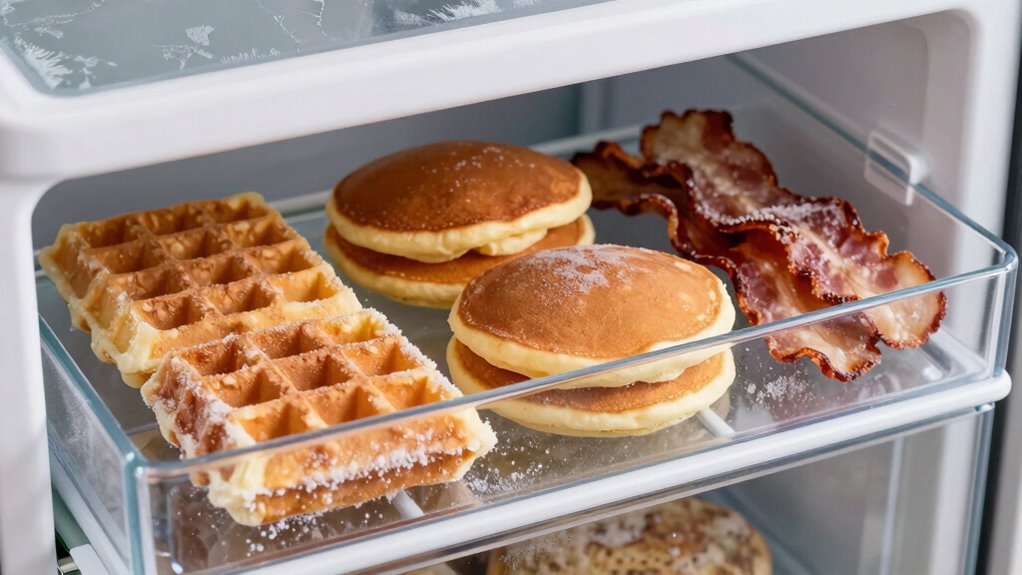
To keep your breakfast foods fresh longer, start with proper packaging techniques that prevent air exposure. Use freezer-safe containers and resealable bags to protect your items from freezer burn. Don’t forget to label and rotate your foods regularly to guarantee you use the oldest first and avoid waste.
Proper Packaging Techniques
Proper packaging is essential for keeping your breakfast foods fresh in the freezer and preventing freezer burn. Using airtight packaging helps eliminate air exposure, which is a major cause of freezer burn and flavor loss. Focus on moisture control by removing excess air from storage bags or containers, as trapped moisture accelerates spoilage. Make certain your packaging is leak-proof and tightly sealed to maintain freshness. Properly wrapping items also prevents freezer odors from seeping in and affecting taste. For best results, label packages with dates to track storage time and avoid keeping foods too long. Remember, the key is to minimize air and moisture contact, so your breakfast prep stays tasty and fresh longer.
- Use vacuum-sealed bags or airtight containers
- Remove as much air as possible before sealing
- Wrap items tightly with plastic or foil
Use Freezer-Safe Containers
Using freezer-safe containers is essential for keeping your breakfast foods fresh longer. Airtight containers prevent moisture loss and protect your food from freezer burn by blocking air exposure. Choose containers specifically labeled as freezer-safe to avoid cracks or leaks over time. Reusable bags are also a good option; they’re flexible, space-efficient, and resealable, helping maintain a consistent seal. When using these bags, squeeze out excess air before sealing to minimize freezer burn risk. Properly storing your breakfast items in these containers or bags reduces the chance of odors transferring and keeps foods tasting fresh. Always verify lids and seals are secure before placing items in the freezer. This simple step helps preserve flavor, texture, and nutritional value longer.
Label and Rotate Properly
Labeling your freezer items clearly and accurately guarantees you can quickly identify breakfast foods and avoid unnecessary thawing or refreezing. Proper food labeling helps you keep track of expiration dates and ensures you’re maintaining the ideal freezer temperature, typically around 0°F. Rotate your food regularly by placing newer items behind older ones, so you use the oldest first. This practice prevents foods from lingering too long and developing freezer burn. When labeling, include the date of freezing and a brief description for easy identification. Consistent rotation and proper labeling minimize waste and keep your breakfast prep tasting fresh. Remember, a well-organized freezer with clear labels and a strict rotation schedule helps maintain food quality and prevents off-flavors caused by freezer burn.
Final Tips: Keep Your Breakfasts Tasting Fresh and Delicious
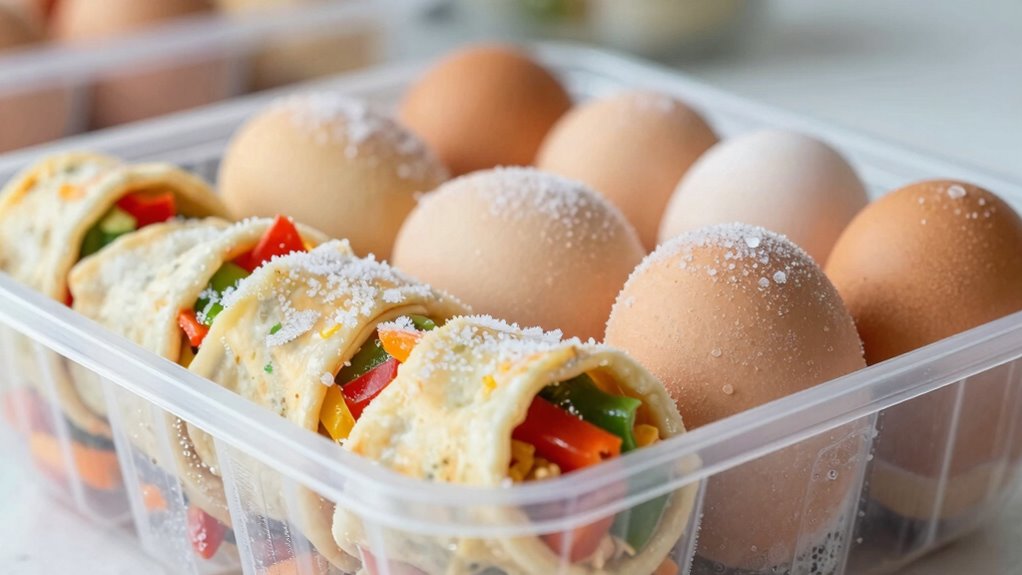
To keep your breakfasts tasting fresh and delicious, maintaining proper storage techniques and timely consumption is vital. Make sure your freezer temperature stays at or below 0°F (−18°C) to prevent freezer burn and support food safety. Regularly check the temperature with a thermometer, as fluctuations can compromise quality and safety. Use airtight containers or vacuum-sealed bags to minimize air exposure, which causes freezer burn and flavor loss. Label your meals with dates and rotate older items to prioritize freshness. Avoid leaving breakfast foods in the freezer too long; most are best consumed within a few months. Proper storage and vigilance help preserve taste, texture, and safety, ensuring your breakfast prep remains delicious from freezer to table.
Frequently Asked Questions
Can Freezer Burn Occur in Frozen Breakfast Beverages?
Yes, freezer burn can occur in frozen breakfast beverages, affecting beverage quality. When you leave your drinks in the freezer too long or don’t store them properly, ice crystals form on the surface, leading to freezer burn. This process causes the beverage to develop an off-flavor and texture. To prevent this, guarantee you seal containers tightly and consume your beverages within a reasonable time frame.
Is There a Way to Reverse Freezer Burn on Breakfast Foods?
You can’t reverse freezer burn once it occurs, but you can prevent it with proper food preservation techniques. To avoid freezer burn on your breakfast foods, guarantee they’re tightly wrapped or stored in airtight containers, removing as much air as possible. Keep your freezer at the right temperature, around 0°F, and use the foods within recommended timeframes. Prevention is key to maintaining flavor and texture, so always practice good freezer freezer burn prevention habits.
How Long Can Breakfast Foods Be Safely Stored Before Freezer Burn Develops?
You can typically store breakfast foods for 1 to 3 months before freezer burn signs appear, depending on the item. To avert freezer burn, keep an eye on storage duration and ensure your freezer maintains a consistent cold temperature. If you notice signs like ice crystals or dry spots, it’s time to use or discard the food. Proper packaging helps extend freshness and reduces the risk of freezer burn.
Does the Type of Packaging Influence Freezer Burn Severity?
Yes, the type of packaging influences freezer burn severity. Using proper packaging materials like airtight containers or vacuum-sealed bags creates a better barrier against the freezer environment. These materials reduce exposure to air, which causes freezer burn. If you don’t, your breakfast foods are more likely to develop freezer burn faster, resulting in off-flavors and texture changes. So, always choose quality packaging to keep your breakfast prep fresher longer.
Are Certain Breakfast Ingredients More Prone to Freezer Burn Than Others?
Certain breakfast ingredients are more prone to freezer burn because of their moisture content and ingredient density. For example, berries with high water levels freeze into icy blocks that quickly develop ice crystals, while dense items like cooked oats resist freezer burn longer. You might notice that lighter, more moisture-rich ingredients suffer faster. To keep your breakfast fresh, store these ingredients properly and minimize air exposure, preventing freezer burn from taking over.
Conclusion
By understanding freezer burn, you can protect your breakfast treasures from icy shadows that dull their shine. With a few simple tricks, you’ll keep your freezer treasures vibrant and flavorful, like a morning sunrise breaking through a cloudy sky. Think of your freezer as a fortress that guards your breakfast gems, ensuring every bite feels fresh and inviting. Keep these tips in mind, and let your mornings be filled with delicious, untouched goodness.
Halloween Picks
halloween
As an affiliate, we earn on qualifying purchases.