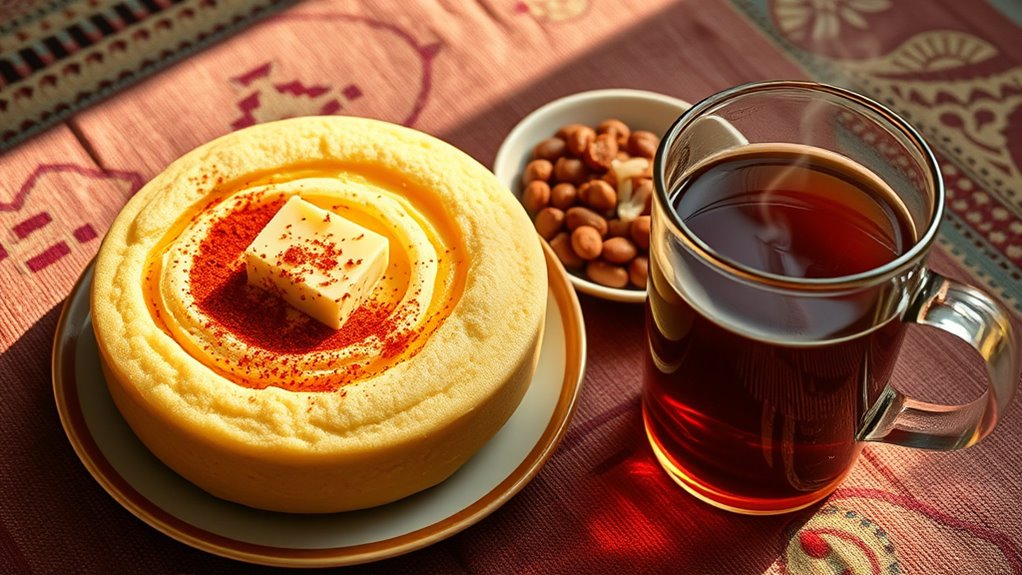

Ethiopian morning fare includes hearty dishes like genfo, ful, and spiced tea that reflect centuries of tradition and community. You might start your day with genfo, a warm barley porridge topped with spiced butter, or ful, a flavorful fava bean stew seasoned with herbs and served with bread. A cup of aromatic spiced tea completes the meal, blending rich flavors with cultural significance. To discover more about how these dishes connect to Ethiopia’s heritage, keep exploring.

Get kitchen staples and gadgets delivered free — and shop member deals
- Fast, free delivery on millions of items
- Access to Prime Big Deal Days deals on October 6–7
- Prime Video, Amazon Music and more included
Key Takeaways
- Ethiopian morning fare commonly features genfo porridge, ful with seasoned fava beans, and aromatic spiced tea.
- Traditional preparation emphasizes communal sharing, cultural rituals, and authentic ingredients like berbere and injera.
- Modern variations include flavor infusions, creative garnishes, and stylish presentation while honoring heritage.
- Coffee and honey ceremonies often accompany breakfast, symbolizing hospitality and social connection.
- Pairing these dishes with local beverages enhances cultural experience and breakfast enjoyment.
As an affiliate, we earn on qualifying purchases.
The Origins and Significance of Ethiopian Breakfast Traditions

Ethiopian breakfast traditions are deeply rooted in the country’s history and culture, reflecting centuries of local customs and communal values. Ethiopian culinary history reveals a rich tapestry of flavors and techniques passed down through generations, shaping how people start their day. Traditional breakfast rituals often involve shared meals that emphasize community, hospitality, and respect. These practices are increasingly recognized for their sustainable harvesting practices, which help preserve local food sources and ecosystems. Meals like genfo, ful, and spiced tea carry symbolic meanings and connect people to their ancestors’ practices. By honoring these traditions, Ethiopians preserve their cultural identity and reinforce the importance of togetherness in daily life. Understanding these roots helps you appreciate the significance of breakfast in Ethiopian society.
How to Prepare Authentic Genfo at Home
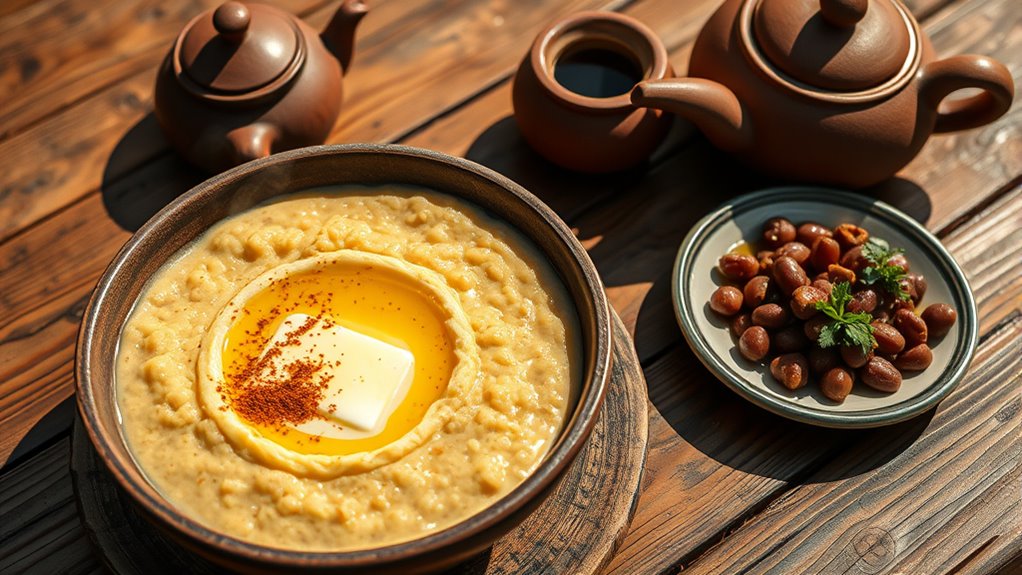
To prepare authentic genfo at home, start by gathering the key ingredients: barley or wheat flour, water, and a pinch of salt. In a pot, combine water and salt, then slowly whisk in the flour to prevent lumps. Stir continuously until it thickens into a smooth, porridge-like consistency. Traditionally, genfo is served with a well of spiced butter or niter kibbeh on top, adding richness. During special occasions, you might incorporate a coffee ceremony, where freshly brewed Ethiopian coffee complements the hearty dish. You can also serve genfo alongside traditional bread, like injera, to enhance the meal. Making genfo at home offers a chance to experience Ethiopian culture firsthand, connecting the comforting flavors to the rituals surrounding breakfast and communal eating. Incorporating traditional serving methods can further elevate the authenticity of your experience.
Crafting the Perfect Ful: A Classic Fava Bean Stew
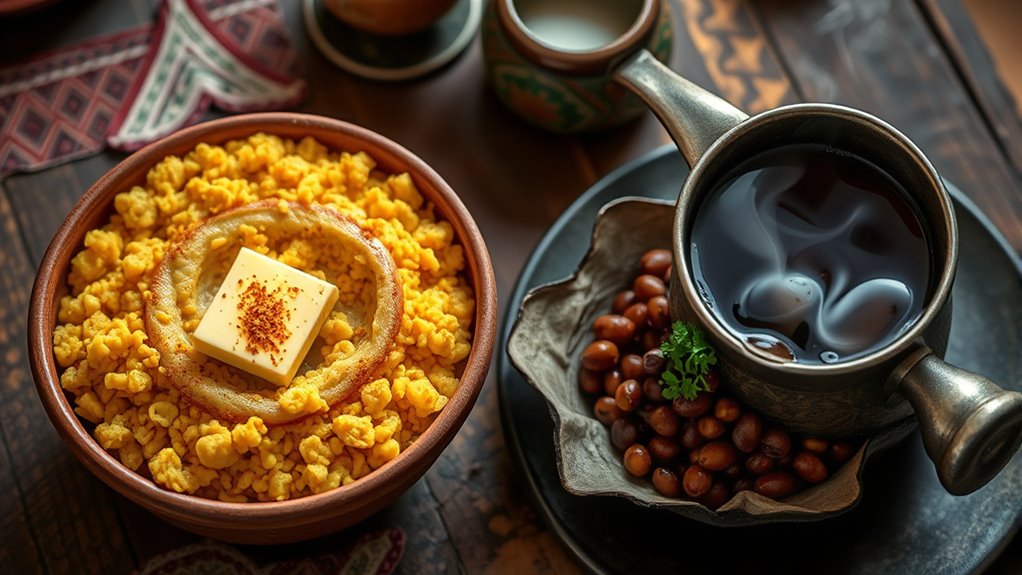
Crafting the perfect ful begins with selecting high-quality dried fava beans, which need to be soaked overnight to soften and remove any bitterness. Knowing the fava bean history helps you appreciate its significance in Ethiopian cuisine. Traditional cooking techniques emphasize patience and simplicity—boiling the beans until tender, then mashing or pureeing them to achieve the desired consistency. You can add chopped onions, garlic, and spices during cooking to deepen flavor. This stew, historically a humble yet nourishing dish, is often served with injera or bread. By following these methods, you honor centuries of culinary tradition while creating a hearty, flavorful ful that showcases the versatility of fava beans in Ethiopian morning fare. Understanding the evolution of AI technologies can also inspire innovative ways to enhance traditional recipes with modern techniques.
Spicing Up Your Morning: Making Traditional Ethiopian Tea

To make your Ethiopian tea truly stand out, start by selecting the right spices like cardamom or cloves to enhance its aroma. Focus on brewing techniques that bring out full flavor, such as proper steeping times and water temperatures. Additionally, understanding different personality traits can help you tailor your presentation and serve your tea in a way that resonates with your guests. Finally, learn how to serve and garnish your tea beautifully to elevate your morning ritual.
Choosing the Right Spices
Choosing the right spices is essential to elevate your Ethiopian tea from ordinary to extraordinary. Focus on spice blending to create a harmonious mix that complements the tea’s natural flavors. Ground cinnamon, cloves, and cardamom are traditional choices that add warmth and depth. Start with small amounts, tasting as you go, to achieve perfect flavor balancing. Too much cinnamon can overpower, while too many cloves might be too pungent. Experiment with different combinations to find your ideal blend. Remember, the goal is to enhance the tea’s aroma without masking its unique character. Proper spice selection guarantees each sip provides a balanced, flavorful experience that captures the essence of Ethiopian morning traditions. Additionally, understanding market volatility can help you better manage the risks associated with investments like Bitcoin IRAs, ensuring your financial strategies remain resilient.
Brewing Techniques for Flavor
Mastering the brewing process is key to revealing the full flavor of Ethiopian tea. Your brewing techniques can elevate the experience by enhancing the spice blending and aroma. To start, always use fresh water and steep your tea at a gentle simmer rather than boiling vigorously, preserving delicate flavors. Next, experiment with spice blending during brewing—add cinnamon, cloves, or ginger early for a richer infusion. Lastly, adjust brewing time: longer steeping intensifies the spices, while shorter yields a lighter taste. Here are three tips to perfect your method:
- Use quality, fresh spices and add them early in the process.
- Maintain a consistent, gentle simmer for ideal extraction.
- Taste and adjust spices during brewing for a personalized flavor.
Additionally, understanding industry trends can help you refine your brewing approach to match traditional preferences and modern tastes.
Serving and Garnishing Tips
Once you’ve perfected your brewing process, presenting your Ethiopian tea with enticing garnishes can elevate the entire experience. Consider simple presentation ideas like pouring the tea into a beautiful cup or adding a slice of lemon for a fresh touch. Garnishing techniques such as sprinkling cinnamon or nutmeg on top add visual appeal and aroma. You might also serve the tea alongside traditional Ethiopian snacks on a colorful platter. For a more elaborate presentation, use a small sprig of fresh herbs like mint or a dusting of powdered spices. These small touches enhance the sensory experience and make your tea feel special. Additionally, incorporating visual presentation techniques can make your tea more inviting and appetizing. Remember, the key is balancing visual appeal with flavor, creating a memorable start to your morning.
Cultural Stories Behind Ethiopia’s Morning Delights

Ethiopian morning delights are more than just tasty treats; they are woven into the country’s rich cultural fabric. These foods tell stories of community, tradition, and identity. For example:
- Ethiopian coffee rituals are integral to morning life, symbolizing hospitality and friendship. The slow process of roasting, brewing, and sharing coffee reflects respect and connection.
- Traditional honey ceremonies celebrate sweetness and unity, often performed during special gatherings or morning prayers, emphasizing communal bonds.
- Sharing genfo or ful in the morning is a way to honor heritage, passing down stories and customs from generation to generation.
- The electric power used in preparing traditional foods and maintaining daily routines underscores Ethiopia’s adaptation of modern technology within its cultural practices.
These customs highlight how Ethiopia’s breakfast staples carry deep cultural significance beyond their flavors.
Variations and Modern Twists on Ethiopian Breakfast Staples
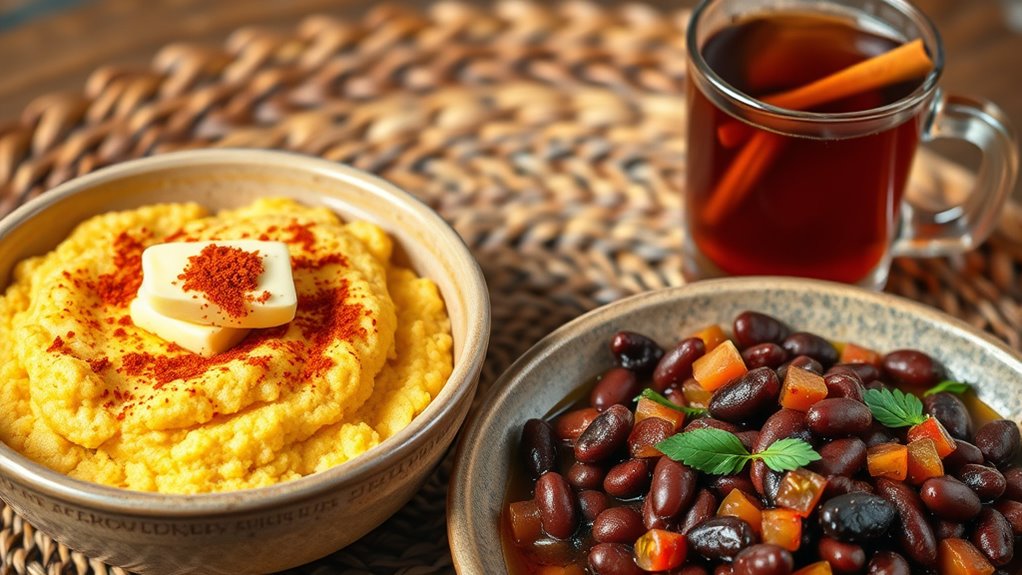
You’ll notice that modern twists on Ethiopian breakfast staples often feature creative flavor combinations that surprise your palate. Serving styles have become more contemporary, blending traditional dishes with international influences. These innovations keep breakfast exciting while honoring Ethiopia’s rich culinary heritage. Incorporating eye patch benefits into morning routines can also provide a refreshing start to the day.
Creative Flavor Combinations
Creative flavor combinations are transforming traditional Ethiopian breakfast staples into exciting new experiences. By experimenting with fusion flavors and ingredient swaps, you can elevate classics like genfo, ful, and spiced tea. For example, adding a touch of cinnamon or cardamom to genfo introduces warm, aromatic notes. You might also try incorporating roasted garlic or cumin into ful for a smoky twist. To modernize spiced tea, consider infusing it with ginger or a splash of citrus juice. Here are some ideas to inspire you:
- Sprinkle crushed peanuts or honey over genfo for added texture and sweetness.
- Mix fresh herbs like parsley or cilantro into ful for a fresh, vibrant flavor.
- Combine traditional spices with vanilla or saffron for a luxurious tea experience.
- Using specialized vacuums can help keep your kitchen clean while experimenting with new recipes and ingredients.
Contemporary Serving Styles
Modern twists on traditional Ethiopian breakfast staples are gaining popularity as chefs and home cooks experiment with presentation and serving styles. You might see genfo served in sleek bowls with modern breakfast utensils, elevating its rustic appeal. Coffee culture influences these trends, inspiring creative ways to serve spiced tea alongside breakfast, sometimes in minimalist cups or stylish pots. Some opt for layered presentations, blending traditional ingredients with contemporary aesthetics. For ful, you may find it garnished with fresh herbs or served on artisanal platters, making it more visually appealing. These variations not only honor Ethiopia’s rich food heritage but also appeal to modern tastes. By playing with serving styles, you can enjoy breakfast staples in fresh, exciting ways that celebrate tradition and innovation alike.
Pairing Ethiopian Morning Dishes With Local Beverages

Ever wondered how to perfectly complement your Ethiopian morning meal? The key lies in pairing your dishes with the right local beverages. Ethiopian coffee ceremonies are an essential tradition, using traditional utensils to brew rich, aromatic coffee that enhances flavors like genfo and ful. The ceremony’s ritualistic nature adds depth to your breakfast experience. Additionally, a warm cup of spiced tea offers a comforting alternative, balancing the hearty dishes. To elevate your pairing, consider these options:
Enhance your breakfast with traditional Ethiopian coffee or spiced herbal teas for an authentic experience.
- Ethiopian coffee brewed during a traditional ceremony
- Spiced herbal teas served in handcrafted cups
- Freshly squeezed fruit juices for a invigorating touch
Choosing these beverages creates a harmonious balance, highlighting Ethiopia’s rich culinary culture while energizing your morning.
Frequently Asked Questions
What Are the Nutritional Benefits of Ethiopian Morning Dishes?
You’ll find that Ethiopian morning dishes offer impressive nutritional benefits, providing energy and essential nutrients to start your day. Regional influences shape these meals, emphasizing ingredients like grains, legumes, and spices that boost your immune system and digestion. Consuming dishes like genfo and ful gives you fiber, protein, and antioxidants, supporting overall health. Their rich flavors and regional roots make your breakfast both nourishing and culturally enriching.
How Do Regional Differences Influence Ethiopian Breakfast Ingredients?
Think of Ethiopia’s breakfast landscape as a vibrant tapestry, each region weaving its unique flavor. Regional spices and climate influences shape ingredients like spicy berbere or milder herbs, reflecting local tastes and harvests. In the highlands, you’ll find hearty, grain-based dishes, while coastal areas favor fresh, seafood-infused options. These regional differences create a rich breakfast mosaic, inviting you to explore Ethiopia’s diverse cultural flavors every morning.
Are There Vegetarian or Vegan Options for Traditional Ethiopian Breakfast?
You’re wondering if there are vegan adaptations or plant-based options for traditional Ethiopian breakfast. Yes, many dishes can be made vegan by substituting ingredients. For example, you can enjoy ful without eggs or dairy, and choose plant-based oils instead of butter. Traditional spiced tea remains vegan, and you can add herbs and spices to enhance flavor. These options allow you to enjoy authentic flavors while maintaining a plant-based diet.
How Has Globalization Affected Ethiopian Breakfast Traditions?
Globalization has profoundly influenced Ethiopian breakfast traditions by introducing global snack trends and international coffee influence. You might notice more fusion dishes or modern takes on traditional foods, blending local flavors with global tastes. International coffee influence has also elevated Ethiopia’s coffee culture, making it a key part of breakfast routines worldwide. These changes enrich the culinary scene, allowing you to enjoy both authentic and innovative Ethiopian breakfast options.
Can Ethiopian Breakfast Dishes Be Adapted for Western Tastes?
You can definitely adapt Ethiopian breakfast dishes for Western tastes through fusion cuisine and ingredient substitutions. For example, replace traditional spices with milder herbs or use bread instead of injera. By experimenting with local ingredients and flavor profiles, you create a delicious blend that respects Ethiopian roots while appealing to Western palates. This approach makes the dishes more accessible and enjoyable for a broader audience.
Conclusion
Start your day with Ethiopia’s rich breakfast traditions, like genfo, ful, and spiced tea, and discover their deep cultural roots. Did you know that over 70% of Ethiopians still enjoy traditional morning dishes daily? Embracing these flavors not only connects you to Ethiopia’s history but also adds warmth and community to your mornings. So, go ahead—bring a piece of Ethiopian heritage to your breakfast table and savor the stories behind each bite.
NFL season / tailgating Picks
team gear
As an affiliate, we earn on qualifying purchases.