On a Lebanese breakfast table, you’ll find manakish, labneh, and zaatar central to the experience. You’ll savor warm, flaky manakish topped with cheese or zesty zaatar, dip creamy labneh with fresh vegetables, and enjoy the vibrant herbs and spices that highlight Lebanon’s rich culinary heritage. These dishes symbolize hospitality and tradition, offering a delicious glimpse into Lebanese culture. If you keep exploring, you’ll uncover more about these flavorful, centuries-old ingredients and their stories.

Get kitchen staples and gadgets delivered free with Prime
- Fast, free delivery on millions of items
- Prime Video, Amazon Music and more included
- Member-only deals all year
Key Takeaways
- Manakish, labneh, and zaatar are traditional Lebanese foods central to breakfast, symbolizing hospitality and cultural heritage.
- Manakish is prepared with dough topped with cheese or zaatar, reflecting regional variations and fresh ingredient use.
- Labneh is a creamy, tangy yogurt spread served with vegetables and herbs, showcasing Lebanon’s dairy tradition.
- Zaatar, a herb and spice blend, is used in various ways, including toppings, dips, and flavoring baked goods.
- These dishes highlight Lebanon’s agricultural roots and centuries-old culinary practices, connecting tradition with modern breakfast tables.
As an affiliate, we earn on qualifying purchases.
Exploring the Origins of Manakish
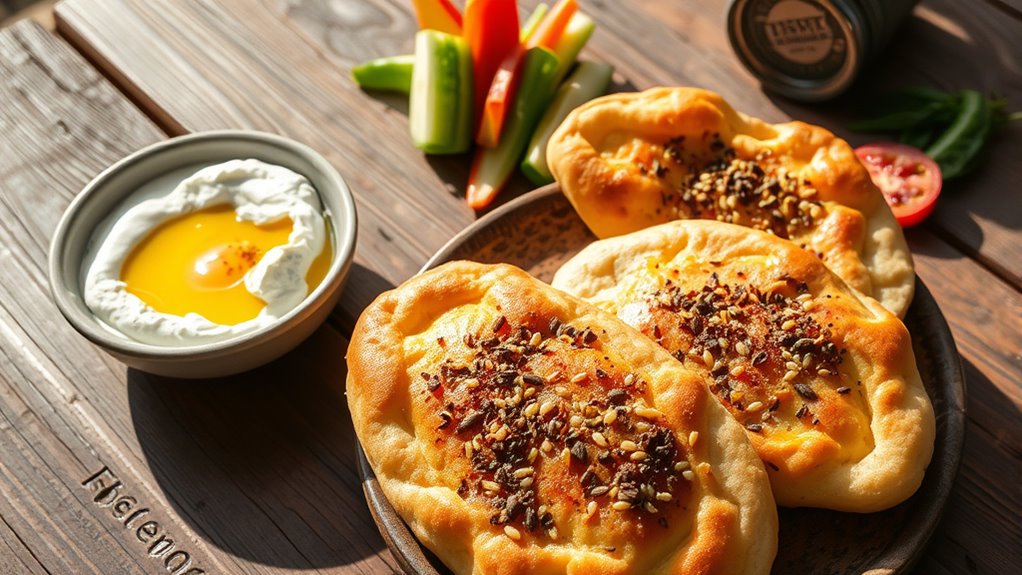
Have you ever wondered where manakish, the beloved Lebanese flatbread, actually comes from? Its origins are deeply rooted in cultural symbolism and a rich historical evolution. Traditionally, manakish was more than just food; it represented community and hospitality, often shared during gatherings. Over centuries, its shape, toppings, and preparation methods evolved, reflecting regional influences and local ingredients. The flatbread’s significance grew beyond daily sustenance, becoming a symbol of Lebanese identity and tradition. Its history traces back to ancient civilizations in the Levant, where it was a practical, portable meal for farmers and traders. Today, manakish remains a cherished staple, embodying both tradition and resilience, connecting generations through its cultural symbolism and ongoing evolution. Additionally, the modern popularity of manakish has helped promote Lebanese cuisine on the global stage, highlighting its cultural significance.
Preparing the Perfect Manakish Dough

To make an authentic manakish, start by preparing a smooth, elastic dough that forms the foundation of the bread. Begin by mixing flour, water, yeast, salt, and a touch of sugar. As you knead, focus on gluten development, which gives the dough its stretch and structure. Proper dough fermentation is essential; it allows the yeast to activate, producing carbon dioxide that helps the dough rise and develop flavor. Knead until the dough is soft and elastic, then let it rest covered in a warm place. This resting period allows fermentation to occur, resulting in a light, airy texture. The more you develop gluten and allow fermentation, the better your manakish will turn out—chewy, flavorful, and perfectly textured. Incorporating natural ingredients helps enhance the authenticity and flavor of the bread.
Classic Toppings: Cheese and Zaatar
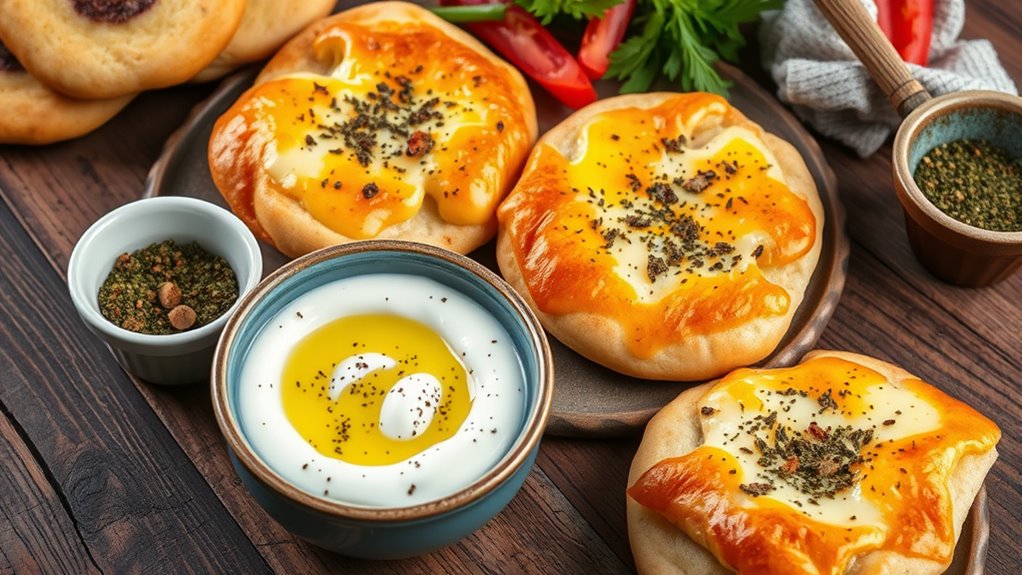
Classic toppings like cheese and zaatar are essential for authentic manakish, offering bold flavors that showcase Lebanese culinary tradition. Cheese, often a soft, white variety, melts beautifully, creating a rich, creamy layer that balances the bread’s crispness. Zaatar, a blend of Mediterranean herbs like thyme, oregano, and sumac, adds a tangy, savory note. Regional variations influence toppings, with some areas favoring spicy pepper or additional herbs. When you sprinkle cheese, aim for an even layer to ensure a gooey bite, while zaatar is best spread generously for a fragrant, herbal burst. These toppings highlight Lebanon’s use of fresh, aromatic herbs and regional flavor profiles, making each bite a reflection of local culinary heritage. Incorporating traditional flavor profiles helps preserve the cultural authenticity of this beloved Lebanese dish.
Making Creamy, Tangy Labneh at Home
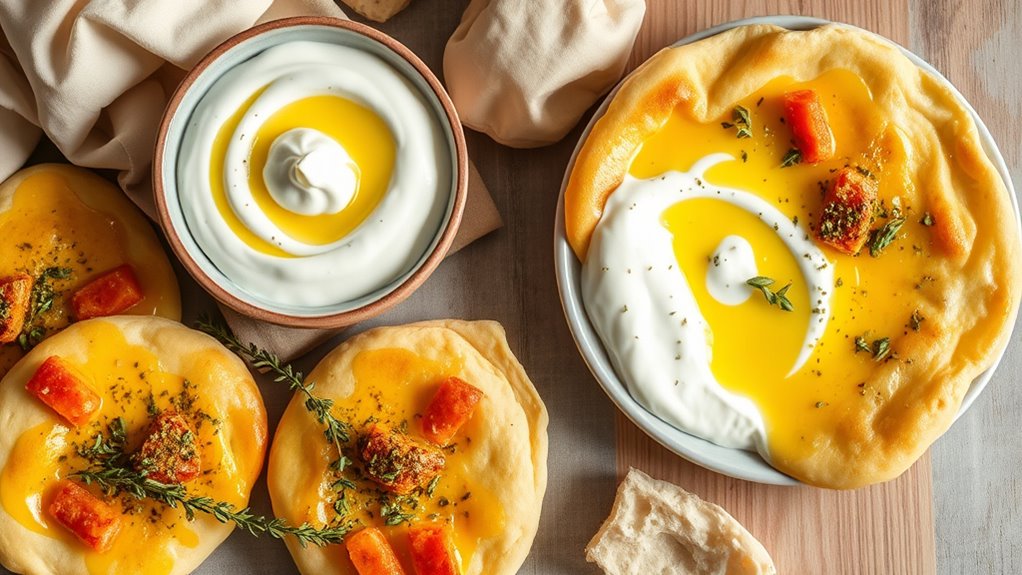
To make creamy, tangy labneh at home, start by choosing a high-quality, full-fat yogurt for the best texture. Next, use a fine cloth or cheesecloth to drain excess whey until it reaches your desired thickness. For optimal results, consider adjusting the angle of the pinball machine to improve the texture and consistency of your labneh, as proper positioning can influence how well the yogurt drains and sets. Finally, experiment with flavorings like herbs or garlic, and serve it as a dip or spread for a fresh, homemade touch.
Selecting the Right Yogurt
Choosing the right yogurt is essential for making creamy, tangy labneh at home. Look for full-fat, plain yogurt with live probiotics, as these aid fermentation and develop flavor. The best options include Greek-style or strained yogurt because they’re thicker and creamier. Avoid flavored or low-fat varieties, which can alter the texture and tanginess. Consider yogurt with active fermentation techniques that preserve probiotics, ensuring a richer taste. Here’s a quick comparison:
| Yogurt Type | Probiotics Content | Texture |
|---|---|---|
| Greek | High | Thick, creamy |
| Regular | Moderate | Slightly thinner |
| Strained | Very high | Ultra-thick |
| Flavored | Varies | Less suitable |
Selecting the right yogurt guarantees the perfect base for authentic Lebanese labneh. Additionally, choosing yogurt with a high probiotic count can enhance the fermentation process and flavor development.
Draining Techniques for Creaminess
Draining the yogurt properly is essential to achieving the creamy, tangy texture characteristic of authentic Lebanese labneh. To do this, place your yogurt in a cheesecloth or fine-mesh strainer, then set it over a bowl to catch the excess liquid. Cover it loosely and let it drain in your kitchen storage area, either at room temperature for a few hours or in the fridge overnight, depending on your desired thickness. The longer you drain, the thicker and creamier your labneh becomes. Proper draining not only enhances the texture but also improves breakfast presentation, making your labneh look smooth and inviting. Remember, patience is key—well-drained labneh elevates your homemade breakfast table, offering both flavor and visual appeal.
Flavoring and Serving Options
Once you’ve achieved the perfect creamy texture, you can enhance your labneh by adding a variety of flavoring options. Mix in fresh herbs like parsley or mint, drizzle with olive oil, or sprinkle with spice blends such as zaatar or sumac. To serve, arrange your labneh on a platter with colorful vegetables, olives, and pita bread for an appealing presentation. Using a well-designed serving platter elevates the experience and highlights the flavors. Here’s a quick guide:
| Flavoring Ideas | Spice Blends | Serving Suggestions |
|---|---|---|
| Garlic & herbs | Zaatar | Spread on bread |
| Lemon & dill | Sumac | Dip vegetables |
| Chili flakes | Curry powder | Add to salads |
Mix and match to create a vibrant, flavorful Lebanese breakfast spread. Automation in food presentation and preparation techniques is an emerging trend that can enhance the dining experience.
The Art of Serving Labneh With Fresh Vegetables
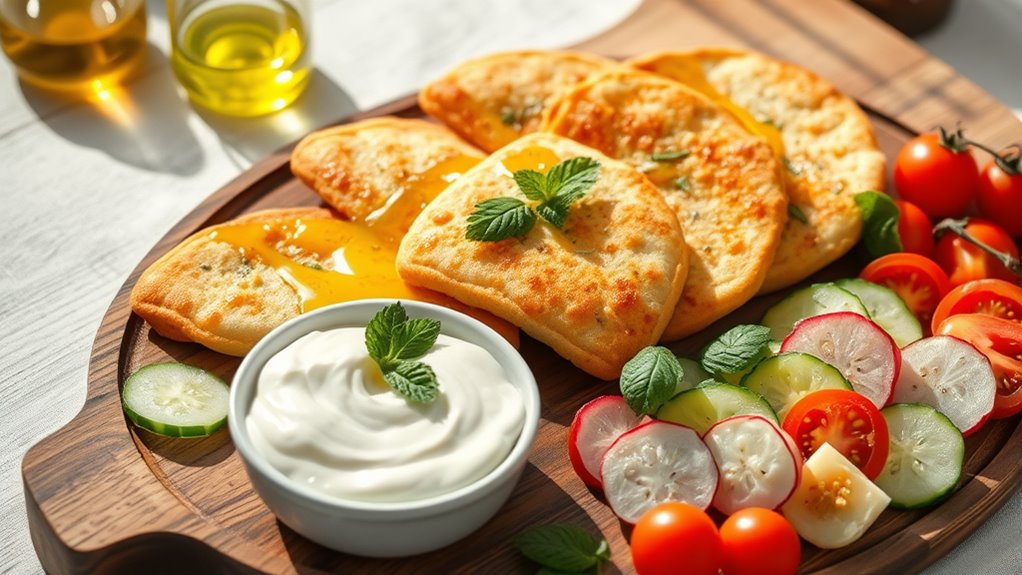
To master the art of serving labneh with fresh vegetables, start by selecting vibrant, crisp produce that complements the creamy tang of the yogurt. Choose colorful vegetables like cherry tomatoes, cucumber slices, radishes, bell pepper strips, and carrot sticks to add visual appeal and texture. Pay attention to presentation styles—arrange vegetables neatly around or atop the labneh for an inviting look. Use appealing serving vessels, such as shallow bowls or rustic platters, to enhance the display. Consider layering vegetables for depth or creating patterns to elevate the presentation. Remember, a well-presented platter invites sharing and makes the experience memorable, emphasizing freshness and care in your hosting. Your thoughtful arrangement can turn simple ingredients into a feast for the senses. Additionally, incorporating water parks into your summer plans can provide refreshing relief and fun for the whole family after enjoying your beautifully prepared labneh platter.
The Significance of Zaatar in Lebanese Cuisine

Zaatar holds a central place in Lebanese cuisine, serving as both a staple seasoning and a symbol of cultural identity. Its cultivation has deep roots, often grown locally in traditional farms, ensuring freshness and quality. The Zaatar’s historical significance runs far beyond flavor; it reflects Lebanon’s agricultural heritage and trade history. For generations, Zaatar has been used in daily meals, symbolizing hospitality and community. Its unique blend of herbs and sumac connects you to centuries-old traditions, making each bite more meaningful. Whether sprinkled on manakish or mixed with olive oil, Zaatar’s presence in Lebanese households highlights its enduring importance. You can taste Lebanon’s history and culture in every pinch, emphasizing how integral Zaatar remains to the Lebanese identity. Additionally, the traditional harvesting methods used for Zaatar help preserve its authentic flavor and sustain local farming communities.
Creative Variations of Zaatar Dishes
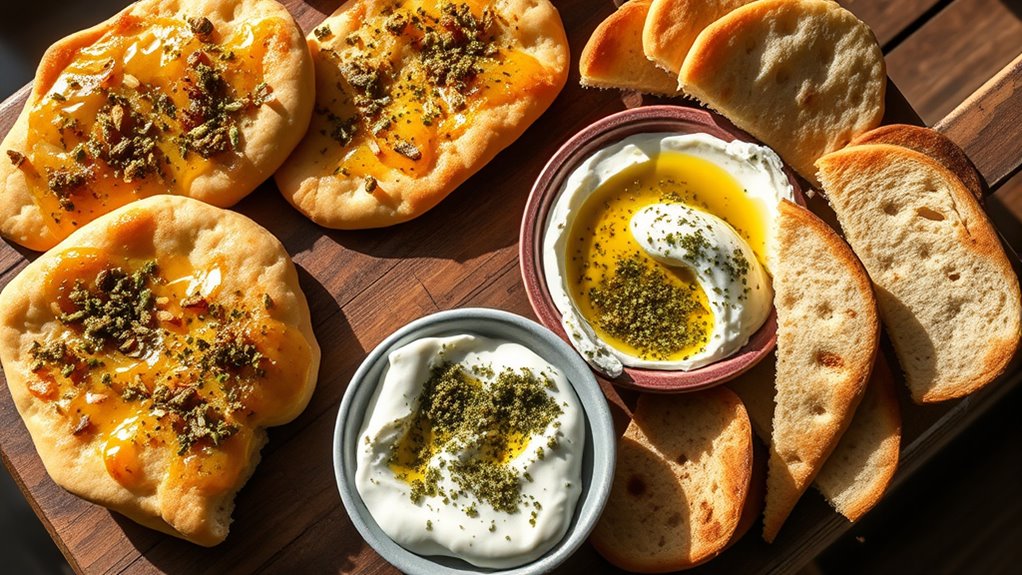
You can get creative with zaatar by pairing it with cheese for savory, cheesy spreads or fillings. Sweet zaatar variations, like cookies or pastries, add a delightful twist to traditional flavors. Don’t forget about zaatar-dipped snacks, which offer a simple yet flavorful way to enjoy this versatile herb. Incorporating specialty tea techniques, such as infusing zaatar into baked goods, can elevate your culinary creations even further.
Zaatar and Cheese Combos
The rich, savory flavor of zaatar pairs unexpectedly well with cheese, creating a delightful fusion that elevates traditional Lebanese breakfast dishes. Combining Zaatar flavor combinations with cheese melting techniques results in warm, gooey, and aromatic bites. You can experiment with various cheeses like halloumi, mozzarella, or Akkawi to find your favorite mix. For the best melt, use high-quality cheese and gentle heat, ensuring a smooth texture without burning. This combo can be added to flatbreads, pastries, or baked dishes for a savory twist. It’s about balancing the herbaceous notes of zaatar with the creamy richness of cheese. When you master these techniques, you access a new dimension of flavor and texture in your breakfast table. Incorporating vetted products or techniques can further enhance the quality of your creations.
Sweet Zaatar Variations
While zaatar is renowned for its savory applications, it also lends itself beautifully to sweet variations that surprise and delight the palate. You can sprinkle zaatar over warm flatbreads and finish with a honey drizzle for a perfect balance of earthy herbs and sweet nectar. For added texture, incorporate a nutty crunch—think toasted nuts or sesame seeds—on top of sweet zaatar dishes. This combo creates a delightful contrast, enhancing the herbal notes while adding richness. You might also try spreading labneh with a zaatar-sugar mixture, then drizzling honey and sprinkling nuts for an elegant treat. These sweet zaatar variations bring a unique twist to your breakfast table, blending familiar flavors with unexpected sweetness and texture.
Zaatar-Dipped Snacks
Zaatar’s versatility shines when it’s used as a dip or coating, transforming simple snacks into flavorful delights. Zaatar dips add a savory layer to vegetables, bread, and even meats, making every bite more exciting. You can dip pita chips, fresh cucumber slices, or crispy falafel into a well-seasoned zaatar dip for an aromatic boost. Zaatar salads become more satisfying when drizzled with this fragrant spice blend. Creative variations include coating cheese sticks or roasted chickpeas with zaatar for a crunchy, flavorful snack. These zaatar-inspired snacks encourage you to explore new textures and flavors, elevating everyday ingredients into Lebanese-inspired bites.
- Enhance your snack platter with zaatar dips for added depth
- Mix zaatar into yogurt for a quick, tangy dip
- Use zaatar as a coating for roasted vegetables
- Incorporate zaatar into salads for a fragrant twist
- Experiment with zaatar-seasoned bread for a flavorful crunch
Traditional Breakfast Settings and Etiquette

In Lebanese breakfast settings, dining often takes place around a low, communal table that encourages sharing and conversation. It’s customary to gather with family or friends, emphasizing hospitality and warmth. Cultural customs highlight the importance of respecting elders by allowing them to serve themselves first. You should also be mindful of dietary restrictions; many dishes are vegetarian, but some may contain nuts or dairy. Using your hands to eat bread, like manakish or labneh, is common and seen as a sign of enjoying the meal fully. It’s polite to pass dishes gently and accept offerings graciously. Maintaining a relaxed, friendly atmosphere is key, and engaging in lively conversations enhances the communal spirit of the Lebanese breakfast table.
Pairing Lebanese Breakfast Items With Beverages

Pairing Lebanese breakfast items with the right beverages enhances the flavors and creates a balanced dining experience. Thoughtful beverage pairings can highlight the unique qualities of manakish, labneh, and zaatar, achieving better flavor harmonization. For example, a glass of strong Arabic coffee complements the savory notes, while a invigorating mint tea cleanses the palate between bites. Consider these points:
Pair Lebanese breakfast favorites with beverages that enhance and balance their vibrant flavors.
- Match tangy labneh with chilled mint tea for cooling contrast
- Pair zaatar with zesty lemon-infused water to boost freshness
- Combine manakish with robust Arabic coffee for bold flavor harmony
- Use herbal teas to balance spicy or herbaceous toppings
- Select light, bubbly beverages to refresh and cleanse the palate
Choosing the right beverage elevates your breakfast, making each bite more memorable.
Frequently Asked Questions
What Are the Health Benefits of Traditional Lebanese Breakfast Ingredients?
You might wonder about the nutritional advantages of traditional breakfast ingredients. These foods offer many health benefits, like labneh providing probiotics for gut health, zaatar offering antioxidants from herbs, and whole wheat in manakish supplying fiber for digestion. By choosing these ingredients, you enjoy their natural benefits, supporting your immune system and overall wellness. Embracing traditional ingredients helps you savor delicious flavors while nourishing your body effectively.
How Do Regional Differences Influence Lebanese Breakfast Styles?
Regional variations greatly influence Lebanese breakfast customs, shaping the ingredients and dishes you enjoy. In coastal areas, seafood and fresh herbs are prominent, while inland regions favor hearty grains and meats. These regional differences reflect local climate, agriculture, and cultural influences, making each breakfast style unique. As you explore Lebanese cuisine, you’ll notice how these regional variations add diversity, enriching your breakfast experience with authentic flavors specific to each area.
Can These Dishes Be Adapted for Vegan or Gluten-Free Diets?
You can adapt these dishes for vegan or gluten-free diets by exploring vegan toppings like fresh vegetables, herbs, and plant-based cheeses. For gluten-free options, use gluten-free bread or crackers instead of traditional manakish. You might also incorporate gluten-free grains or seeds. These adjustments allow you to enjoy Lebanese flavors while accommodating your dietary needs, making the breakfast table inclusive and delicious for everyone.
What Are Common Accompaniments or Side Dishes Traditionally Served?
You’ll often find dipping sauces and pickled vegetables served alongside traditional Lebanese dishes. These accompaniments add flavor and texture, making your meal more vibrant. Dipping sauces like hummus or spicy chili paste complement the bread, while pickled vegetables provide a tangy crunch. They balance rich flavors and refresh your palate, creating a delightful, well-rounded breakfast experience. These side dishes are essential for authentic Lebanese breakfast tables.
How Do Lebanese Breakfast Customs Vary Across Different Social Settings?
You’ll find that Lebanese breakfast customs vary based on social settings. In family traditions, meals are more relaxed and focus on sharing, often including homemade dishes and lively conversations. When hosting guests, you prioritize hospitality, offering abundant food and warm gestures to make everyone feel welcome. In formal settings, the meal may be more structured, but the emphasis on community and generosity remains central across all contexts.
Conclusion
Your Lebanese breakfast table is a treasure trove of flavors, each bite bursting with history and tradition. From the warm, flaky manakish to the creamy labneh and fragrant zaatar, you hold a culinary masterpiece in your hands. Embrace these vibrant dishes and let their bold, timeless taste transform your morning into a feast that’s as lively and unforgettable as a celebration that lasts forever. Truly, your breakfast has the power to start your day with pure magic.
NFL season / tailgating Picks
team gear
As an affiliate, we earn on qualifying purchases.