🔍 Read the full analysis: Sfursat And Valtellina: Lombardy's Alpine Nebbiolo Secret on Mad Tasting

Get kitchen staples and gadgets delivered free with Prime
- Fast, free delivery on millions of items
- Prime Video, Amazon Music and more included
- Member-only deals all year
TL;DR
Valtellina, in northern Lombardy, makes Nebbiolo wines from steep Alpine terraces, where the grape is locally known as Chiavennasca. Its Sfursat, officially Sforzato di Valtellina DOCG, is a generally dry, more concentrated red made by partially drying selected grapes after harvest. The source material is a wine guide, not an announcement of a new release or policy.
Valtellina’s Sfursat is a concentrated, generally dry red made from partially dried grapes of Chiavennasca, the local name for Nebbiolo grown in Lombardy’s Alpine valley. A guide from Mad Tasting sets the wine alongside the region’s other reds, explaining how grape-drying shapes Sfursat and why the valley’s steep terraces make its wines distinct; the material describes established wine styles rather than a new release or change in rules.
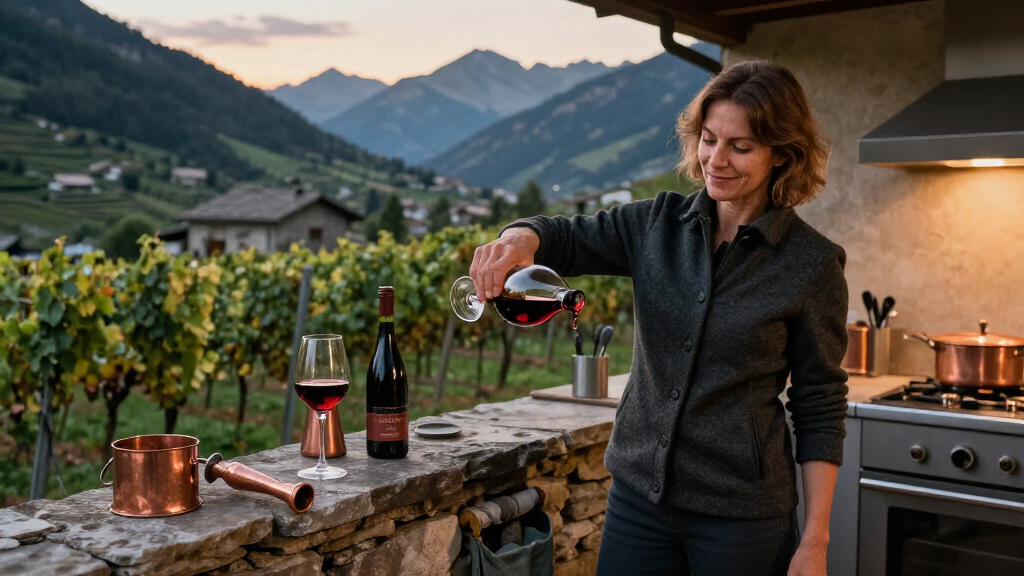
The valley lies in northern Lombardy, near the Swiss border, where vineyards occupy steep slopes above the Adda River. Dry-stone walls form narrow terraces that make cultivation possible on difficult ground. The terrain also limits machinery access and makes much vineyard work labor-intensive, according to the guide.
Nebbiolo, known locally as Chiavennasca, is the principal grape described. Its acidity and tannin provide structure, while red-cherry, rose, herbal and earthy notes are among the aromas associated with the wines. Those characteristics are not guaranteed in every bottle: site, vintage, ripeness and winemaking decisions all affect the result.
Sforzato di Valtellina DOCG is the standard appellation name for Sfursat; Sfursat is the local form used in the guide. Selected grapes are partially dried after harvest and then fermented. Losing water concentrates the berries, and fermentation can produce a red with more weight and typically higher alcohol than a conventional Valtellina red. The finished wine is generally dry, though ripe fruit and alcohol can give a sense of sweetness.
Wine Guide · Northern Lombardy · Italy
Sfursat and Valtellina: Lombardy’s Alpine Nebbiolo Secret
On steep terraces above the Adda River, Nebbiolo—locally called Chiavennasca—takes on a distinct regional identity. Sfursat, the concentrated red made from partially dried grapes, reveals how terrain and cellar technique shape Valtellina wine.
Drying concentrates the grape. It does not make the wine sweet.
Sfursat is the local form of the appellation name Sforzato di Valtellina DOCG.
Northern Italy, near Switzerland
Vineyards rise along steep slopes
Known here as Chiavennasca
Selected grapes lose water after harvest
01 / Place and grape
A vineyard landscape built by hand
Dry-stone walls create narrow terraces on slopes where vineyard work is demanding and access for machinery is limited.
Stone walls hold the slopes
Terraces are working vineyard infrastructure. Their upkeep helps make cultivation possible on difficult Alpine ground.
Nebbiolo, in local form
The region’s principal grape brings acidity and tannin. Red cherry, rose, herbal and earthy notes are common descriptions, though bottles vary.
One region, many outcomes
Exposure, elevation, vintage, ripeness and winemaking choices all shape the result. “Alpine” describes the setting, not a guaranteed flavor.
Some Valtellina wines may seem paler and more aromatic than familiar Piedmont Nebbiolo examples. This is a broad impression, not a rule for every producer or vintage.
02 / How Sfursat is made
From harvested grapes to concentrated red
Partial grape drying is the defining technique. The source guide does not specify a drying duration or full production rules.
The guide’s high-level process · exact requirements depend on current appellation regulations
Select
Selected Chiavennasca grapes are picked after harvest.
Partially dry
Berries lose water, concentrating their contents before fermentation.
Ferment
The concentrated grapes are fermented into a red wine.
Enjoy with depth
Weight, tannin and alcohol call for savory, substantial food.
Sfursat is generally dry. Concentrated fruit and alcohol warmth can create a sweet impression without the wine being made as a sweet wine.
A style spectrum
Concentration across regional reds
Illustrative guide to broad styles—not measured tasting data or a ranking.
Relative style positions summarize the guide’s descriptions. Actual concentration and alcohol vary by bottle, vintage and producer.
03 / Read the label
Three names, distinct regional expressions
Use the appellation to understand the broad style, then check producer and vintage details for the bottle itself.
| Label name | Broad style in the guide | What to keep in mind |
|---|---|---|
| DOC Rosso di Valtellina | More approachable entry point to the region’s reds. | Specific structure, aromas and drinking window depend on producer and vintage. |
| DOCG Valtellina Superiore | Dry Nebbiolo red from Valtellina. | Read the bottle details for the producer’s expression and vintage. |
| DOCG Sforzato di Valtellina | Sfursat: generally dry, more concentrated red made from partially dried grapes. | The appellation name is Sforzato di Valtellina DOCG; Sfursat is its local form. |
For exact drying requirements or production specifications, check current appellation regulations. The guide does not supply a duration or complete rule set.
04 / At the table
Match the wine’s weight
Concentration, tannin and alcohol are easier to meet with savory depth; acidity can help refresh the palate.
Braised beef
Rich, savory flavors can stand alongside the wine’s weight and tannin.
Mushrooms
Earthy character offers a natural point of connection with the region’s red-wine profile.
Aged cheese
Intensity and savory depth can make a better match than a delicate preparation.
Choose a bottle → check its producer and vintage → pair its intensity with the meal. Pairing suggestions are useful starting points, not guarantees for every wine.
05 / Useful comparisons
Shared techniques, different wines
Comparisons offer context, but do not serve as fixed tasting tests or universal rankings.
“The standard appellation spelling is Sforzato di Valtellina DOCG; Sfursat is its local form.”Mad Tasting guide
“Concentration does not mean the wine is sweet.”Mad Tasting guide
“‘Alpine’ helps explain the setting and the conditions of production; it does not predict exactly what every bottle will taste like.”Mad Tasting guide
06 / What the guide can tell you
Labels set expectations; bottles add detail
This is a guide to established wine styles, not an announcement of a new release, event or rule change.
Broad styles, not guarantees
The material does not describe a particular producer, vintage, bottle or price. It cannot establish that every Sfursat has the same alcohol level, aromas or concentration.
Comparisons with Piedmont Nebbiolo and Amarone provide reference points. The shared grape or drying technique does not make the wines interchangeable.
07 / Key questions
Quick answers on Sfursat
A concise guide to the grape, style and food pairings.
What is Sfursat?
The local name for Sforzato di Valtellina DOCG, a generally dry red made by partially drying selected grapes after harvest and then fermenting them.
Is Sfursat sweet?
It is generally made dry. Concentrated fruit and alcohol warmth may seem sweet on the palate, but that does not mean the wine is made as a sweet wine.
What grape is used in Valtellina?
The principal grape described is Nebbiolo, known locally as Chiavennasca.
What food goes well with Sfursat?
The guide suggests braised beef, mushrooms and aged cheese—savory foods with enough depth for a concentrated red.
How does it differ from other Valtellina reds?
Sfursat uses partially dried grapes and is generally more concentrated. Rosso di Valtellina DOC is described as a more approachable entry point, while Valtellina Superiore DOCG is a dry Nebbiolo red.
Does Alpine terroir determine every flavor?
No. Setting and growing conditions matter, but site, vintage, ripeness and cellar choices influence each bottle.
Reading Valtellina’s Wine Labels
The distinctions help shoppers understand what to expect from a bottle and choose a wine for a meal. The guide describes Rosso di Valtellina DOC as a more approachable entry point, and Valtellina Superiore DOCG as a dry Nebbiolo red. Sfursat occupies its own DOCG appellation and, because of the grape-drying process, is generally the more concentrated style.
That concentration affects pairing as well as style. The guide suggests braised beef, mushrooms or aged cheese, foods with enough savory depth to meet the wine’s weight, tannin and alcohol. A delicate dish may be overwhelmed. The same acidity that gives Nebbiolo structure can help refresh the palate alongside richer food.
The production landscape is also part of the story. Terraces and stone walls are working vineyard infrastructure, not just a scenic feature. Their upkeep and the labor required to farm narrow, steep rows help explain why Valtellina’s identity is closely tied to its terrain and the people who maintain it.
Products Worth Considering

Cuisinart CPZ-120 Indoor Pizza Oven, Stainless Steel

De'Longhi TrueBrew Drip Coffee Maker with Built-In Grinder, Thermal Carafe, and Iced Coffee Settings

Le Creuset Enameled Cast Iron Round Bread Oven, 9.5-Inch, Cerise
As an affiliate, we earn on qualifying purchases.
Terraces, Chiavennasca and Drying
Valtellina’s Alpine setting shapes the conditions in which Nebbiolo is grown, but it does not dictate a single flavor profile. Sunny slope exposures, elevation, local grape material and cellar choices interact. The guide notes that some Valtellina wines can seem paler and more aromatic than familiar examples from Piedmont, while stressing that this is a broad impression rather than a rule for every producer or vintage.
Partially drying grapes is the defining technique behind Sfursat. As berries lose water, their contents become more concentrated before fermentation. The method may invite comparison with Amarone, which also uses partially dried grapes, but the shared technique does not make the wines interchangeable. Sfursat belongs to Valtellina’s Chiavennasca and Nebbiolo tradition, with its own acidity, tannin and aromatic character.
The source material does not give a specific drying duration or full production specification. It advises checking current appellation regulations for exact requirements rather than relying on a number that may be out of date.
“The standard appellation spelling is Sforzato di Valtellina DOCG; Sfursat is its local form.”
— Mad Tasting guide
What Labels Cannot Predict
The source describes broad regional styles, not a particular producer, vintage, bottle, price or new market development. It does not establish that every Sfursat will have the same alcohol level, aroma or degree of concentration; those outcomes depend on the fruit and producer. Exact production rules, including drying requirements, are also not supplied, so they should not be inferred from this guide.
Comparisons with Piedmont Nebbiolo and Amarone are useful points of reference, not fixed tasting tests. The material does not provide side-by-side tasting data or measurements that would support a universal ranking of the wines. Readers choosing a bottle should check its producer and vintage details, as well as current appellation information.
Choosing a Bottle or Pairing
For a first comparison, readers can look for the appellation names on labels: Rosso di Valtellina DOC, Valtellina Superiore DOCG and Sforzato di Valtellina DOCG. The source presents them as different regional expressions, with Sfursat the style made from partially dried grapes. A producer’s notes or a retailer can help clarify the specific bottle’s alcohol, structure and drinking window.
At the table, match Sfursat’s intensity with a dish such as slow-braised beef, mushrooms or aged cheese, rather than a light preparation. Those are pairing suggestions, not guarantees of how a particular vintage will behave. The guide offers no new release date, scheduled event or regulatory milestone; its practical next step for readers is to compare labels and check current production rules where exact specifications matter.
Key Questions
What is Sfursat?
Sfursat is the local name for Sforzato di Valtellina DOCG, a generally dry red made by partially drying selected grapes after harvest and then fermenting them.
Is Sfursat sweet?
It is generally made dry. Concentrated fruit and alcohol warmth can seem sweet on the palate, but that impression does not mean the wine is made as a sweet wine.
What grape is used in Valtellina wines?
The guide identifies Nebbiolo, locally called Chiavennasca, as the region’s principal grape.
What food goes well with Sfursat?
The guide suggests braised beef, mushrooms and aged cheese. Their savory depth can stand up to the wine’s concentration, tannin and alcohol.
How is Sfursat different from other Valtellina reds?
Sfursat is made from partially dried grapes and has a more concentrated style. The guide describes Rosso di Valtellina DOC as a more approachable entry point and Valtellina Superiore DOCG as a dry Nebbiolo red.
Source: Mad Tasting