TL;DR
A growing number of bars are offering guided, multi-course cocktail tastings inspired by omakase, a format traditionally associated with sushi. Examples in New York and Atlanta vary in price and presentation, while bartenders and hospitality specialists disagree about when the term is appropriate. How much demand these experiences will attract remains unclear.
Omakase-style cocktail tastings are appearing at bars, where guests are served a sequence of drinks selected and presented by bartenders. The format is drawing attention as venues seek to showcase cocktail-making and offer more guided experiences, but hospitality professionals disagree over whether a tasting menu alone merits the name omakase, and its audience size is not yet clear.

Get kitchen staples and gadgets delivered free with Prime
- Fast, free delivery on millions of items
- Prime Video, Amazon Music and more included
- Member-only deals all year
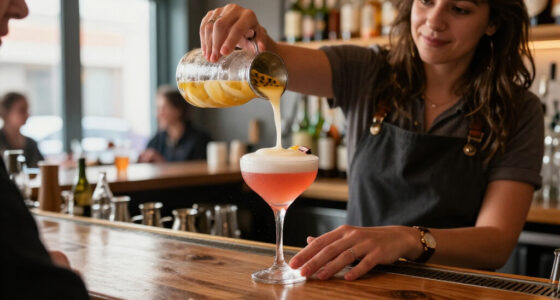
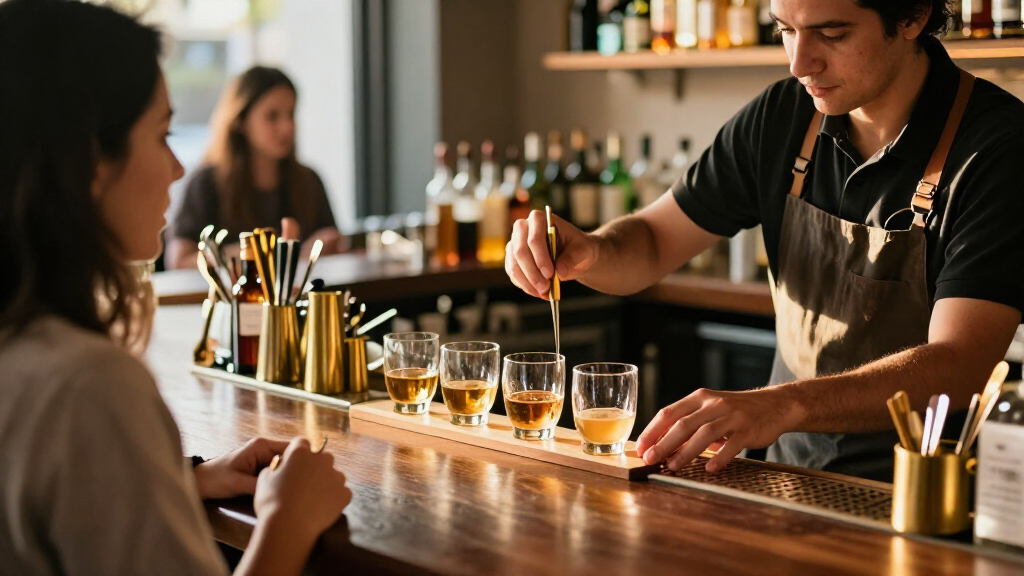
At Ophelia, a Midtown Manhattan bar, the 90-minute “Omacocktail” experience offers seven small cocktails and bites for around $100 through reservation platform Bucket Listers, according to VinePair. The report describes drinks that are smoked, atomized, clarified or finished with edible glitter. For the final drink, the bartender adds drops of Louis XIII Cognac; a server presents caviar alongside it. Ophelia beverage director Amir Babayoff said the setup lets guests sit with the bartender and learn about the techniques.
Other venues take different approaches. Cocktail Omakase on New York’s Lower East Side offers a $55, four-course tasting with individual bites; its menu changes every two weeks. Founder Greg Boehm said the bar was designed around interaction between guest and bartender, with seating arranged so customers can watch drinks being made. Guests seeking a less structured option can order à la carte at a separate seven-seat bar.
In Atlanta, Tiger Sun serves a four-course cocktail tasting paired with food for $95 per person inside a refurbished tour bus. Its menus take themes from cult films of the 1970s, 1980s and 1990s. The examples show that the format is not standardized: experiences differ in price, number of courses, food pairings and how much guests can shape what they receive.
A New Format for Cocktail Bars
The tastings give bars a way to present cocktails as a connected sequence rather than a series of separate orders. A bartender can explain ingredients and methods, while the progression allows drinks and small bites to build on one another. That structure may appeal to customers looking for a more guided night out and gives venues another way to feature staff expertise.
It also raises questions about pricing and expectations. The examples range from $55 to about $100 per person, so a tasting is a more planned purchase than ordering a single drink. The theatrical presentation may attract attention, but the source report says the level of demand for these experiences is still uncertain. For customers, the name alone does not establish what the experience includes or how much interaction is involved.
Products Worth Considering

Ninja NeverDull Pro 11-Piece Knife Set with Removable Sharpener, Nautical Navy

Ninja NeverDull 10-Piece German Stainless Steel Knife Set with Removable Sharpener, Black

Vitamix VX1 Professional-Grade Blender, 64 oz, Black
As an affiliate, we earn on qualifying purchases.
Omakase is commonly translated as “I leave it to you”: the guest trusts the person preparing the meal to make selections. The source report traces the practice to Japanese sushi stalls during the Edo period, when vendors served seasonal fish, and describes its later adoption as a label for high-end sushi experiences in Japan and abroad. In recent years, the term has also been used for experiences outside sushi, including taco, pizza and vinyl offerings cited by VinePair.
That broader use is contested. Shinya Yamao, beverage director at New York’s Don’t Be Shy, told VinePair that a tasting menu describes a format, while omakase describes the relationship between the guest and creator. Hospitality consultant Hiro Nishida, founder of Plus Being NYC, said technique, seasonality and hospitality can carry the principles into a bar setting. The debate is therefore about more than a label: it concerns whether a venue is offering a predetermined flight or a service shaped by trust and interaction.
“When you do the Omacocktail, you get to sit with the bartender, and you get to learn about the processes and techniques. It’s very intimate.”
— Amir Babayoff, beverage director at Ophelia
Demand and Definitions Remain Open
How many customers want cocktail tastings, and whether the format can sustain a wider market, remain unclear in the source report. The cited venues demonstrate that bars are experimenting, but they do not establish how common the experiences are or how often customers return.
There is also no shared standard for calling a bar experience omakase. Some practitioners emphasize the bartender’s relationship with the guest, while others point to technique, seasonal ingredients and hospitality. The report does not provide comparable sales, booking or customer data for the venues, so it cannot establish whether the tastings outperform conventional cocktail service.
Bars Test the Guided Tasting
The formats described are already changing: Cocktail Omakase updates its menu every two weeks, while Tiger Sun builds new tastings around different film themes. Those changes give venues opportunities to test new drinks and concepts, but the report does not identify a wider rollout schedule or specific upcoming openings.
For now, the clearest next signal will be whether more bars adopt guided, multi-course service and whether customers book it repeatedly. Further evidence about reservations, pricing and guest response would help show whether omakase-style cocktails are becoming a durable bar format or remain a niche offering.
Key Questions
What is a cocktail omakase?
It is a guided sequence of cocktails selected and served by a bar, often with explanations, food pairings or direct interaction with the bartender. The venues in the report use different formats, so the term does not describe one standard menu.
How much do the reported experiences cost?
The examples cited range from $55 for four courses at Cocktail Omakase in New York to $95 per person at Tiger Sun in Atlanta. Ophelia’s 90-minute tasting costs around $100, according to the report.
Why do some bartenders object to the term?
Some say omakase means more than a preset tasting menu: it describes trust and a relationship between guest and creator. Others say bars can apply its principles through technique, seasonality and hospitality.
Is the cocktail omakase trend becoming popular?
The report documents several examples, but says overall demand remains unclear. It does not provide booking or sales data that would show how widely customers are choosing these tastings.
Source: rss