TL;DR

Get kitchen staples and gadgets delivered free — and shop member deals
- Fast, free delivery on millions of items
- Access to Prime Big Deal Days deals on October 6–7
- Prime Video, Amazon Music and more included
The FDA found Cyclospora in two environmental samples collected during its investigation of a summer outbreak linked to recalled shredded iceberg lettuce from Taylor Farms’ Central Mexico operation. The findings support the outbreak link, but the agency says it does not yet have enough evidence to determine how contamination occurred or how the positive samples relate genetically to patients’ infections.
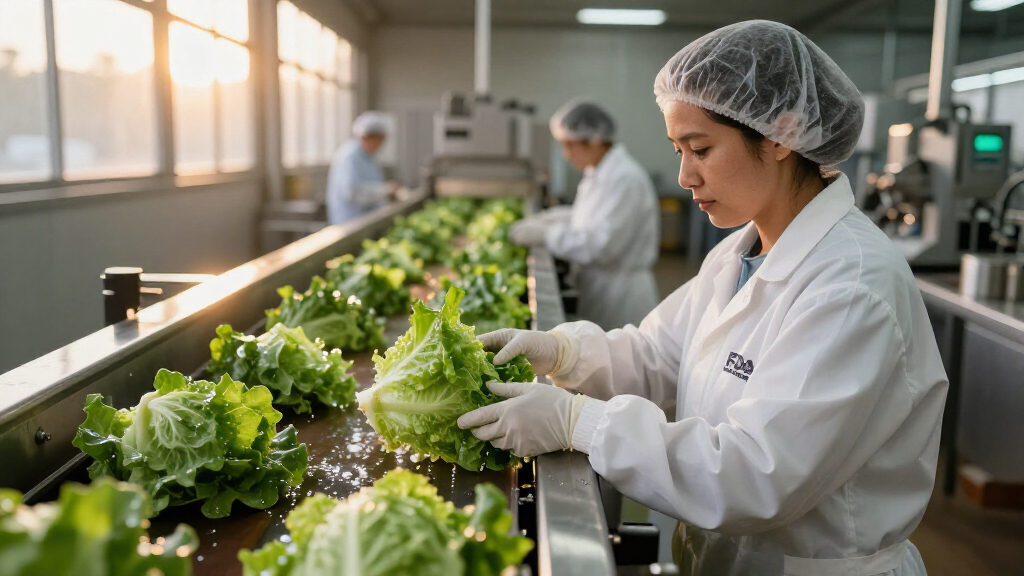
The Food and Drug Administration found the parasite Cyclospora in two environmental samples collected at a Taylor Farms lettuce processing facility in Central Mexico and a farm identified in its investigation, adding evidence to a summer outbreak linked to the company’s recalled shredded iceberg lettuce. The FDA said the findings show the parasite was present in the environment where lettuce was grown and processed, but do not establish how the lettuce became contaminated.
One positive sample came from a tank holding outgoing wastewater at the Taylor Farms de Mexico processing facility. The other came from a drainage ditch at an iceberg lettuce grower’s farm identified through the FDA’s traceback investigation. The agency collected samples of water, soil, sediment and lettuce during onsite work at multiple Mexican farms and the processing facility, coordinating with Mexican officials. Two of the samples tested positive for Cyclospora.
The FDA’s investigation followed an outbreak that sickened 12,883 people, according to the source report’s account of Centers for Disease Control and Prevention figures. The CDC counted 570 hospitalizations and two deaths and reported on September 11 that the outbreak had ended. The infections were linked to recalled shredded iceberg lettuce distributed by Taylor Fresh Foods; early links emerged in July, when people who ate Taco Bell menu items containing the lettuce became ill.
The FDA said the positive samples have been genotyped, but its analysis is continuing to determine how their results relate to genotyping of specimens from outbreak patients. It said there is not enough evidence to conclusively identify how contamination occurred. The environmental results add to epidemiological evidence and traceback findings connecting the outbreak to the recalled lettuce, rather than resolving the route or point of contamination.
What the Findings Add to the Outbreak Link
Finding Cyclospora in samples from both a processing-facility wastewater tank and a grower’s drainage ditch places the parasite in environments associated with the supply chain under investigation. That matters because the outbreak involved thousands of reported illnesses and was tied through epidemiological and traceback work to recalled lettuce from this operation. The samples offer additional evidence supporting that connection.
At the same time, the results do not show that the sampled wastewater or ditch contaminated the lettuce eaten by patients. They also do not identify when contamination may have occurred or establish whether either positive sample is genetically linked to the outbreak cases. Those distinctions matter for understanding how the outbreak happened and what controls may prevent a similar event.
For consumers, the outbreak has been reported as ended, and the findings concern an investigation into past illnesses rather than a newly announced outbreak. For food businesses and regulators, the results keep attention on environmental monitoring, water and wastewater management, and the handling of produce through growing and processing. The source material does not describe any new recall or current consumer action announced with these findings.
food safety testing kits for lettuce
As an affiliate, we earn on qualifying purchases.
As an affiliate, we earn on qualifying purchases.
How the Lettuce Was Traced
Investigators first connected cases to iceberg lettuce after illnesses were reported among people who had eaten Taco Bell menu items containing lettuce sourced from Taylor Farms. The FDA then traced recalled lettuce through several farms and a processing facility in Mexico that supplied product distributed by Taylor Fresh Foods. That traceback work guided onsite inspections and sample collection at multiple growers and the processing site.
The October 2 findings add environmental sampling to the earlier epidemiological and traceback evidence. The CDC had reported the outbreak ended on September 11. The source report says the Taylor Farms Central Mexico facility remained closed while the company worked with its research team on enhanced safety protocols. A Taylor Fresh Foods spokesperson told ABC News that the independent grower where the positive sample was found was no longer part of the company’s supplier program.
“There is currently not enough evidence to conclusively determine how contamination occurred in the outbreak.”
— Food and Drug Administration
How Contamination May Have Occurred
The FDA has not determined how Cyclospora reached the lettuce, where in the growing or processing chain contamination may have occurred, or whether the two environmental samples are genetically connected to the outbreak cases. Although genotyping of both positive samples is complete, the agency said it is still comparing those results with ongoing genotyping of patient specimens. The findings also do not establish that the sampled wastewater or drainage ditch directly contaminated lettuce. The source material does not provide a reopening date for the facility or details about the company’s enhanced protocols.
Genotyping and Facility Status
The next stated investigative step is the FDA’s continued analysis of how the genotyping results from the two positive samples relate to those from outbreak patients. That comparison may help clarify whether the environmental detections are associated with the illnesses, though the source material does not provide a timetable or say what conclusions the analysis may support.
The Taylor Farms facility was reported to remain closed while the company worked on enhanced safety protocols, and the positive-sample grower was no longer in its supplier program, according to the company spokesperson’s statement to ABC News. The available information does not say when the facility might reopen, what specific changes are being made, or whether regulators will announce additional findings. The CDC’s reported end date for the outbreak remains September 11.
Key Questions
Where did the FDA find Cyclospora?
It found the parasite in two samples: wastewater held in a tank at the Taylor Farms de Mexico processing facility and material from a drainage ditch at an iceberg lettuce grower’s farm identified in the investigation.
Did the FDA prove how the lettuce became contaminated?
No. The FDA said it does not have enough evidence to conclusively determine how contamination occurred. The positive samples show Cyclospora was present in environments associated with growing and processing, but do not establish a route to the lettuce.
How many people were affected by the outbreak?
The source report cites 12,883 illnesses, 570 hospitalizations and two deaths in the outbreak. The CDC reported that it had ended on September 11.
Is the Taylor Farms facility open?
A Taylor Fresh Foods spokesperson told ABC News that the Central Mexico facility remained closed while the company worked on enhanced safety protocols. The source material does not provide a reopening date.
Are the positive samples genetically linked to patients?
That has not been established in the reported findings. The FDA said the samples were genotyped and that it is continuing analysis to compare their results with genotyping of specimens from outbreak patients.
Source: rss
Halloween Picks
halloween
As an affiliate, we earn on qualifying purchases.