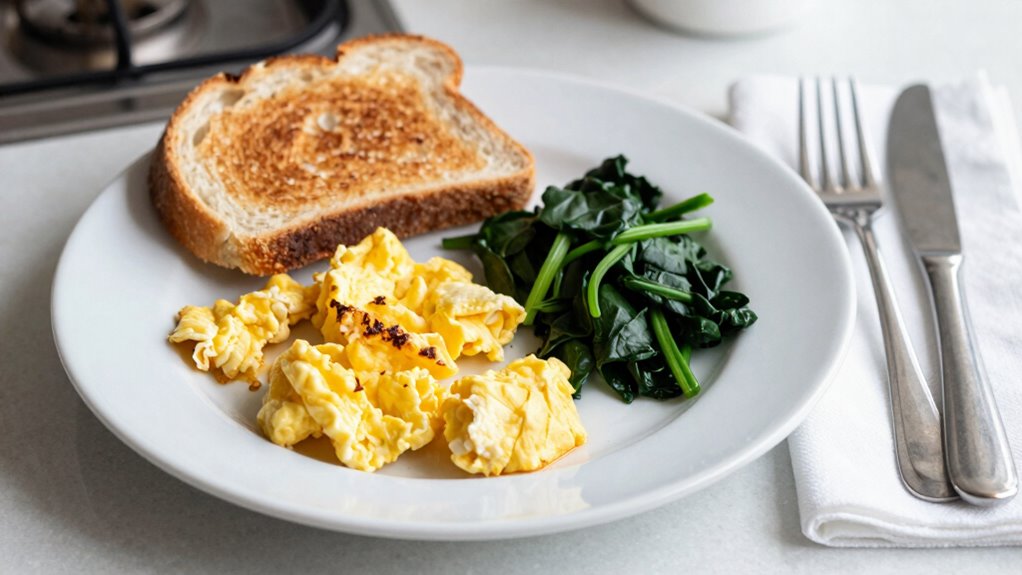

To safely save leftover breakfast foods, store them promptly in airtight containers and refrigerate at or below 40°F within two hours of cooking. Generally, you can keep cooked eggs, pancakes, and bacon for 3-4 days, while smoothies last 1-2 days. Watch for signs of spoilage like sour smells, slimy textures, or mold. Proper storage and knowing when to toss leftovers help prevent foodborne illnesses—continue to learn the best practices to keep your breakfast safe.
Key Takeaways
- Store leftovers in airtight containers and refrigerate within two hours at or below 40°F.
- Consume leftovers within 3-4 days, following specific guidelines for different foods.
- Reheat leftovers to an internal temperature of 165°F and avoid multiple reheating cycles.
- Discard leftovers if they develop off smells, slimy textures, discoloration, or mold.
- Use senses—smell, texture, appearance—to assess food safety before eating leftovers.

Airtight Food Storage Containers with Lids, Vtopmart 24 pcs Plastic Kitchen and Pantry Organization Canisters for Cereal, Dry Food, Flour and Sugar, BPA Free, Includes 24 Labels,Black
Help Organize Your Kitchen and Pantry— Imagine every time walking to your kitchen or pantry, found everything is…
As an affiliate, we earn on qualifying purchases.
As an affiliate, we earn on qualifying purchases.
How to Safely Store Leftover Breakfast Foods
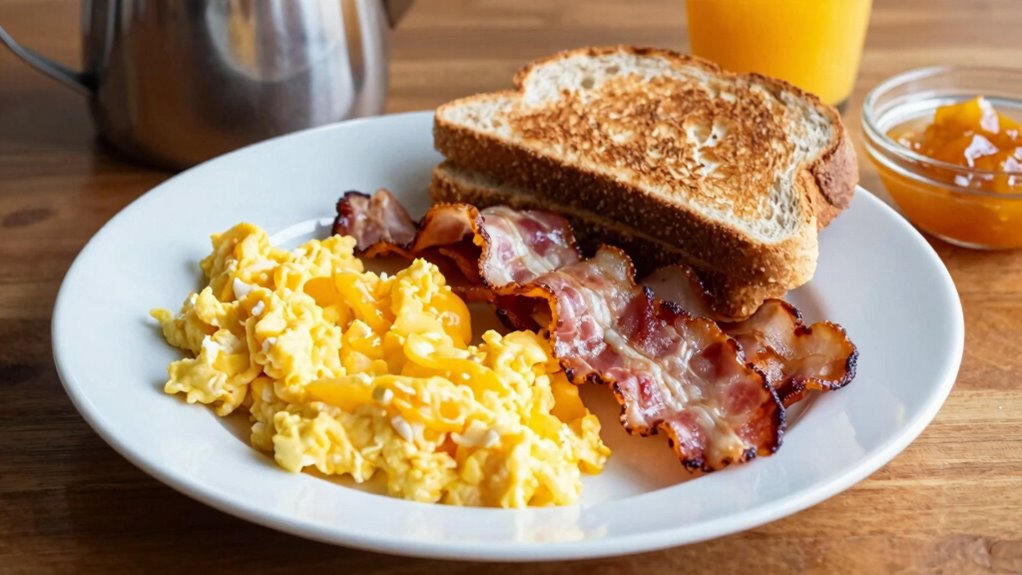
To guarantee leftover breakfast foods stay safe to eat, proper storage is essential. If you’ve made a breakfast smoothie, transfer it to an airtight container and keep it refrigerated. This prevents bacteria growth and preserves freshness. For items like fruit garnishes, store them separately in sealed containers or covered bowls to avoid moisture loss and contamination. When storing cooked eggs, pancakes, or bacon, use airtight containers or wrap them tightly with plastic wrap. Always label your containers with dates to keep track of freshness. Additionally, avoid leaving breakfast foods out at room temperature for more than two hours. proper storage not only maintains taste and texture but also minimizes the risk of foodborne illnesses, ensuring your leftovers remain safe and enjoyable later.

MAQIHAN 60Pcs Bowl Covers Reusable – Plastic Bowl Cover Elastic Fresh Keeping Bags Wrap Reusable Plastic Stretch Elastic Food Storage Covers Sourdough Baking Bread Proofing Rising(3 Sizes)
Reusable Bowl Covers:MAQIHAN bowl cover is made of high-quality PE material, which has good toughness and is not…
As an affiliate, we earn on qualifying purchases.
As an affiliate, we earn on qualifying purchases.
Which Breakfast Leftovers Are Safe to Keep and Reheat

Many breakfast leftovers are safe to keep and reheat if you handle them properly. A breakfast sandwich, if stored in an airtight container and refrigerated within two hours, can be reheated safely in the microwave or oven. Be sure to remove any egg or meat fillings that may spoil quickly, and reheat thoroughly to an internal temperature of 165°F. Fruit salad, on the other hand, is best enjoyed fresh, but if you must store it, keep it in a sealed container in the fridge for up to two days. Reheating fruit salad is generally not recommended, as its texture and flavor may deteriorate. Always check for signs of spoilage before consuming leftovers, and when in doubt, discard. Proper storage techniques help maintain the food’s safety and quality, ensuring leftovers remain safe to eat. Additionally, using air purifiers in your kitchen can help reduce airborne bacteria and odors, promoting a cleaner environment for food storage. Maintaining appropriate temperature control during storage further minimizes the risk of bacterial growth. Incorporating proper food handling practices can also significantly reduce contamination risks and extend the safe freshness of leftovers. Furthermore, understanding food safety guidelines ensures you make informed decisions about storing and reheating various breakfast items.

Alpha Grillers Meat Thermometer Digital – Instant Read Food Thermometer for Cooking & Grilling – Professional Kitchen Gifts for Men, Dad & Mom
Instant Read Food Thermometer | Our instant read thermometer features a temperature probe and advanced, highly accurate technology…
As an affiliate, we earn on qualifying purchases.
As an affiliate, we earn on qualifying purchases.
How Long Can You Keep Breakfast Leftovers?
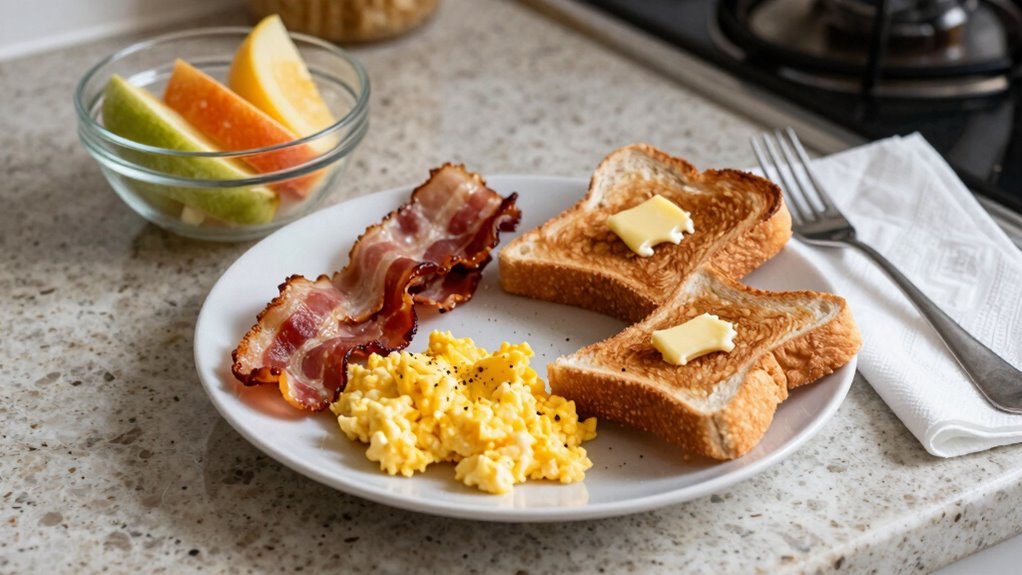
You should know how long breakfast leftovers stay safe in your fridge to avoid food poisoning. Keep leftovers for only 3 to 4 days, and always check for signs of spoilage like an off smell or slimy texture before reheating. Using proper reheating techniques guarantees your leftovers are safe and tasty to enjoy again. Understanding food safety guidelines helps prevent health risks associated with improper storage and reheating. Additionally, maintaining proper refrigerator temperatures ensures food quality and safety, keeping leftovers fresher for longer. Proper storage practices are essential for preventing foodborne illnesses and ensuring your meals remain safe to eat. Regularly monitoring your fridge’s temperature and following recommended storage durations are key to food preservation and overall safety.
Refrigeration Time Limits
When it comes to storing breakfast leftovers, understanding how long they stay safe to eat is essential. Generally, you should refrigerate breakfast sandwiches, egg dishes, and other leftovers within two hours of cooking. Keep them in airtight containers or tightly wrapped to prevent bacteria growth. For ideal safety, consume breakfast sandwiches and egg dishes within three to four days. After that, the risk of foodborne illness increases. If you’re unsure, always check for any signs of spoilage before eating. Remember, even if leftovers look and smell fine, they might not be safe after the recommended storage time. Proper refrigeration helps preserve flavor and safety, so don’t delay in refrigerating your breakfast leftovers. Additionally, understanding the importance of temperature control can help prevent bacterial growth during storage. Maintaining an appropriate refrigeration temperature is crucial for food safety. Regularly checking your refrigerator’s temperature ensures it stays within the safe range and keeps your leftovers safe to enjoy later. Being aware of storage duration guidelines can further help prevent food waste and ensure your leftovers are safe to consume. It’s also helpful to be familiar with food safety tips to recognize potential spoilage early.
Signs of Spoilage
Even if breakfast leftovers have been stored properly, it’s important to recognize the signs that they may no longer be safe to eat. You should watch for:
- A sour or off smell, indicating bacterial growth.
- Slimy or sticky textures on breakfast sandwiches or pancakes.
- Visible mold or discoloration on the food.
- An unusual or foul taste when you try to reheat or eat.
Additionally, understanding the Gold IRA Markets can help you make informed decisions about investments, just as recognizing spoilage signs helps you avoid health risks. These signs are often subtle but essential. If your pancake storage shows any sliminess or if your breakfast sandwiches develop an odd smell, discard them immediately. Don’t risk food poisoning by ignoring these warning signs. Always trust your senses—when in doubt, throw it out to stay safe. Proper storage techniques can also extend shelf life, reducing the risk of spoilage.
Safe Reheating Tips
To keep breakfast leftovers safe to eat, it’s crucial to know how long they can be stored properly. Generally, leftovers like breakfast recipes should be refrigerated within two hours of cooking. When reheating, ensure they’re heated thoroughly to at least 165°F (74°C) to eliminate bacteria. Use a microwave, oven, or stovetop, and stir or rotate to heat evenly. Avoid reheating multiple times, as this increases the risk of spoilage and nutrient loss, affecting the nutritional info of your leftovers. Additionally, proper storage containers can help maintain freshness and prevent contamination. Proper disposal of leftovers and waste can also help prevent foodborne illnesses. Consume leftovers within three to four days for maximum safety and flavor. Always check for signs of spoilage before reheating, such as off smells or slimy textures. Proper reheating preserves the taste, texture, and nutritional value of your breakfast favorites. Incorporating food safety practices and wellness habits can help monitor and improve food storage at home. Being aware of safe food handling techniques is essential for preventing foodborne illnesses and ensuring your leftovers stay safe to enjoy.
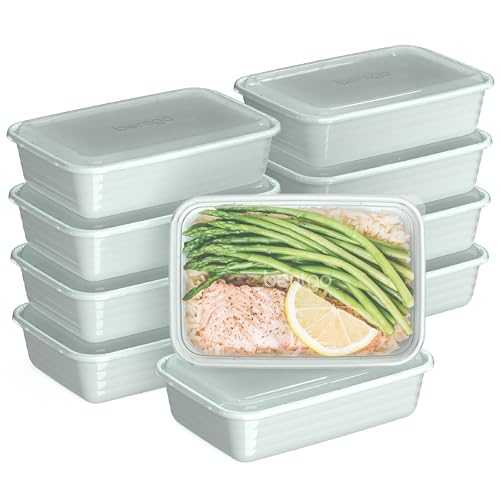
Bentgo Prep – 20-Piece 1-Compartment Reusable Meal Prep Containers with Lids, PFAS & BPA Free Materials, Durable, Microwave, Freezer, & Dishwasher Safe To Go Food Storage (Mint)
#1 Brand Pick for Meal Prep Containers: Bentgo is the top pick for meal prep containers!* This lightweight,…
As an affiliate, we earn on qualifying purchases.
As an affiliate, we earn on qualifying purchases.
Signs Leftover Breakfast Is No Longer Safe to Eat

If your leftover breakfast smells off or has a strange odor, it’s a clear sign to toss it. Watch for a slimy or sticky texture, which indicates bacteria growth, and always check for visible mold. Trust your senses—if anything seems unusual, it’s safest to discard the leftovers.
Unpleasant Odor Detected
A sudden, unpleasant odor is a clear sign that your leftover breakfast may no longer be safe to eat. This smell often indicates mold growth or spoilage. When you notice an off-putting scent, consider these warning signs:
- The odor is sharp, sour, or rotten, alerting you to bacterial activity.
- The smell persists even after reheating, signaling deeper spoilage.
- You see visible mold or discoloration, confirming mold growth.
- The container has a slimy or sticky residue accompanying the foul smell, indicating decay.
- Your sense of smell is a key safety tool in detecting spoilage early before consuming harmful bacteria.
- Utilizing essential oils with antimicrobial properties, such as tea tree oil, can sometimes help eliminate bacteria and inhibit mold growth on surfaces, though they should not be relied upon to restore spoiled food.
- Proper storage techniques are crucial to prevent foodborne illnesses caused by improper handling or prolonged storage of leftovers.
Don’t ignore these warning signs—an unpleasant odor isn’t just off-putting; it’s a sign your leftovers could be unsafe. Consuming spoiled food can lead to food poisoning, so always trust your senses.
Slimy or Sticky Texture
When leftovers develop a slimy or sticky texture, it’s a strong indication that bacterial activity has taken hold and the food is no longer safe to eat. A slimy texture often feels unpleasant and signals spoilage, while a sticky residue can suggest bacterial growth or fermentation. If you notice these changes, don’t take the risk of consuming the food, as harmful bacteria may be present. The slimy layer might be mucus-like or slick, and the sticky residue can cling to the surface or your utensils. These signs mean the leftovers have likely gone bad, even if they look okay otherwise. Always trust your senses—if the texture feels off, it’s best to discard it for your safety.
Visible Mold Growth
Visible mold growth is a clear sign that leftover breakfast is no longer safe to eat. Mold growth can produce harmful toxins, leading to food contamination and health risks. Don’t ignore these warning signs:
- You see fuzzy or colorful spots on your food.
- The mold appears in unexpected places, like inside containers.
- The smell is off or unpleasant, indicating spoilage.
- The texture feels slimy or sticky, hinting at bacterial activity.
- Improper storage can promote food spoilage, increasing the risk of mold growth and foodborne illness. Proper storage and temperature control are essential to prevent mold development and ensure food safety.
If you notice any of these signs, discard your leftovers immediately. Consuming moldy food can cause allergic reactions or food poisoning. Always prioritize safety over saving leftovers. When in doubt, throw it out—your health is worth it. Mold growth isn’t just unsightly; it’s dangerous.
Best Storage Tips to Keep Breakfast Leftovers Fresh

To keep breakfast leftovers fresh, proper storage is essential. Use airtight containers to prevent moisture and air from spoiling your food. For example, store breakfast smoothies in small bottles to maintain freshness, and wrap egg sandwiches tightly with plastic wrap. Label containers with dates so you know how long they’ve been stored. Keep leftovers in the refrigerator at or below 40°F, and avoid overcrowding to ensure proper airflow.
| Food Item | Storage Method | Duration |
|---|---|---|
| Breakfast smoothies | Airtight bottles | 1-2 days |
| Egg sandwiches | Wrap tightly, fridge | 1-2 days |
| Cooked eggs | Airtight container | 3-4 days |
| Baked goods | Sealed container or foil | 2-3 days |
Following these tips helps preserve flavor and safety.
When Should You Toss Leftover Breakfast Foods?
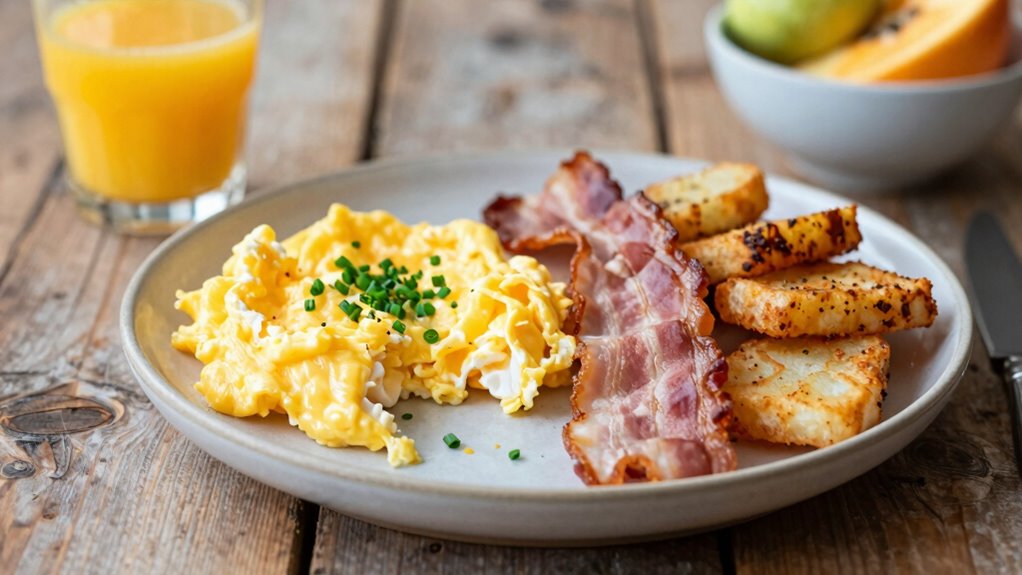
Ever wonder how long leftover breakfast foods stay safe to eat? Knowing when to toss them is key to avoiding food poisoning. For egg safety, discard any cooked eggs after 4 days. Breakfast types like pancakes or waffles should be eaten within 2 days to prevent spoilage. If you notice any of these signs, it’s time to say goodbye:
- Foul smell or sour odor
- Slimy or sticky texture
- Unusual discoloration
- Mold growth or fuzzy spots
Leftover eggs or breakfast items stored longer than recommended risk bacteria growth. When in doubt, trust your senses. Proper timing ensures you enjoy breakfast leftovers safely without risking health. Always prioritize freshness and safety over leftovers.
How to Reheat Breakfast Leftovers Safely
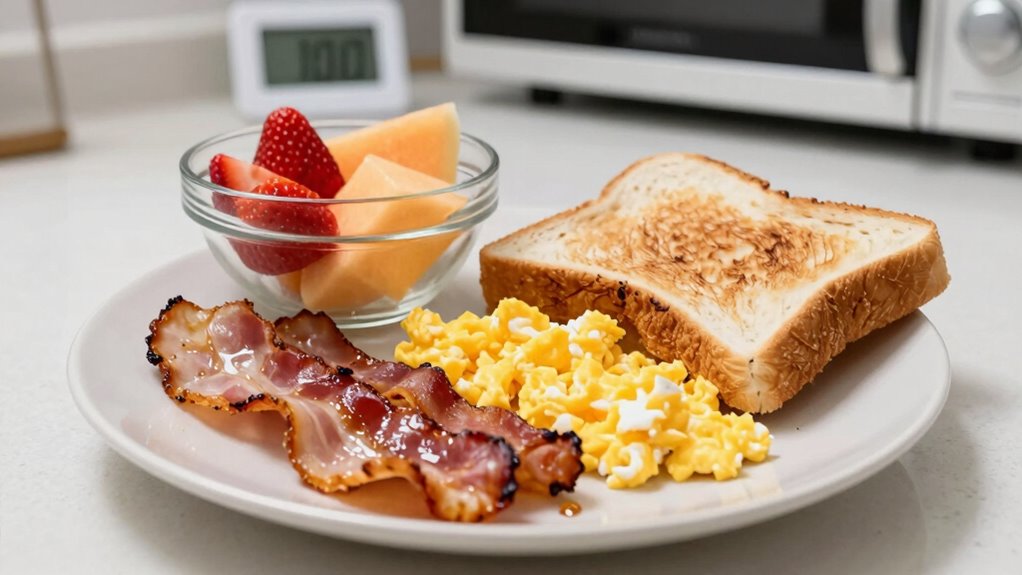
Reheating breakfast leftovers properly is essential to guarantee they remain safe to eat and maintain good flavor. Start by transferring leftovers into clean, microwave-safe or oven-safe storage containers to assure even heating. For reheating methods, the microwave is quick and convenient; cover the container with a microwave-safe lid or damp paper towel to retain moisture. Use a food thermometer to check that the internal temperature reaches at least 165°F (74°C), especially for items like eggs or meats. Alternatively, reheating in the oven or stovetop allows for more even heat distribution. Stir or rotate foods during reheating to prevent cold spots. Avoid reheating multiple times, as this can increase the risk of bacterial growth and spoilage.
Risks of Saving Certain Breakfast Foods Too Long

Storing breakfast foods for too long can pose health risks because bacteria and mold can grow even at refrigerator temperatures. Ignoring leftovers storage techniques increases the chance of foodborne illness. Be cautious with these risks:
- Consuming spoiled eggs can cause food poisoning and stomach issues.
- Eating moldy bread may lead to allergic reactions or respiratory problems.
- Keeping cooked meats too long raises the risk of bacteria like Salmonella.
- Reheating improperly stored pancakes can promote bacterial growth.
Extended storage reduces breakfast food safety, making leftovers dangerous. Always label leftovers with dates and follow recommended storage times. If in doubt, discard leftovers that show signs of spoilage or have been stored longer than recommended. Being mindful of leftovers storage techniques keeps you safe and healthy.
Tips to Reduce Food Waste With Breakfast Leftovers
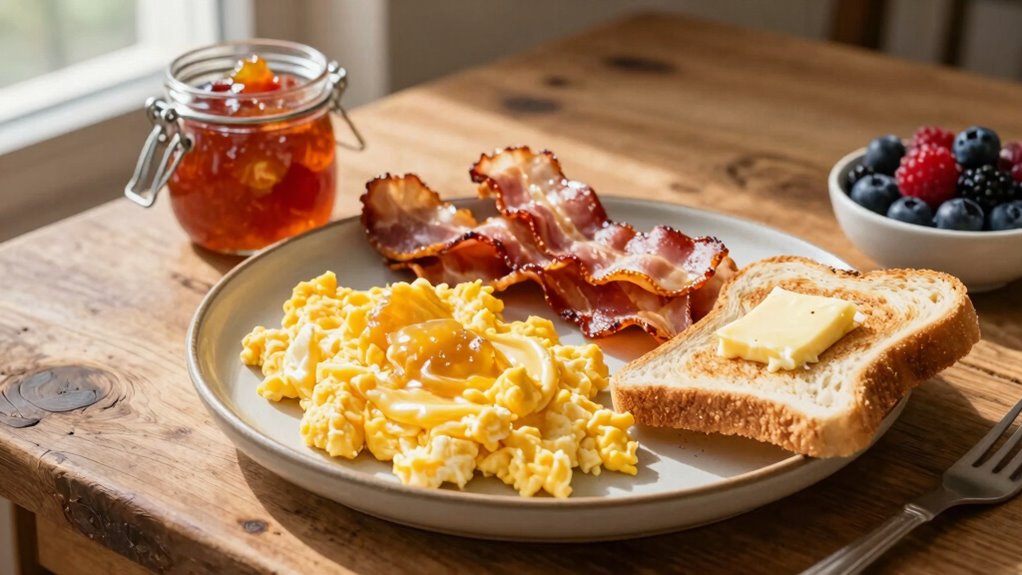
To minimize food waste and make the most of your breakfast leftovers, planning and smart storage are key. Start by portioning breakfast beverages into small containers so you can enjoy just what you need later. When storing egg preparations, use airtight containers and label them with dates to track freshness. Reheat leftovers thoroughly to guarantee safety. Consider repurposing cooked eggs into salads or sandwiches, reducing waste and adding variety. For breakfast beverages like coffee or juice, store them in sealed bottles in the fridge and consume within a few days. Planning your breakfast portions helps prevent excess leftovers, while proper storage extends their usability. By being mindful, you minimize waste, save money, and enjoy your breakfast leftovers safely and deliciously.
Frequently Asked Questions
Can I Freeze Breakfast Leftovers for Longer Storage?
Yes, you can freeze breakfast leftovers for longer storage. To do this effectively, use airtight containers or heavy-duty freezer bags to prevent freezer burn. Label your packages with dates to track freshness. Freezing breakfast allows you to conserve items like pancakes, eggs, and sausage for up to three months. Proper storage techniques guarantee your leftovers stay safe and taste good when you’re ready to enjoy them again.
Are There Specific Breakfast Foods That Spoil Faster?
Certain breakfast foods spoil faster, especially breakfast fruit and dairy products. Fruits like berries and sliced bananas tend to spoil quickly due to their high moisture content. Dairy items such as milk, yogurt, and cheese can also go bad fast if not stored properly. To keep them fresh longer, store breakfast fruit in airtight containers and guarantee dairy is refrigerated at the right temperature, consuming these foods within a few days of preparation.
How Can I Tell if Eggs Leftovers Are Safe to Eat?
You can tell if your egg leftovers are safe by checking for signs of spoilage. If the eggs smell off or have a slimy texture, they’re definitely past their prime. Rely on food safety tips: fresh eggs should be firm and smell neutral. Egg freshness diminishes quickly, so if in doubt, toss them. Always trust your nose and eyes—your best tools for ensuring food safety and avoiding a stomach disaster!
Is It Safe to Reheat Breakfast Leftovers Multiple Times?
Reheating breakfast leftovers multiple times isn’t safe, as it can increase bacteria growth and foodborne illness risk. Food safety myths often suggest reheating repeatedly is fine, but proper reheating techniques matter more—use a thermometer to guarantee food reaches 165°F. For safety, reheat only once, store leftovers promptly in airtight containers, and reheat thoroughly each time. This reduces health risks and keeps your meals safe to enjoy.
What Are the Best Containers for Storing Breakfast Leftovers?
Think of your leftovers as treasures needing secure safekeeping. The best storage containers are airtight solutions that lock in freshness and prevent spills. Opt for glass or BPA-free plastic containers with tight-fitting lids—these keep your breakfast safe and flavors intact. Avoid flimsy or non-airtight options, which can lead to spoilage. By choosing the right containers, you guarantee your breakfast leftovers stay delicious and safe to enjoy later.
Conclusion
By following these tips, you can keep your breakfast leftovers safe and fresh, avoiding any unnecessary health risks. Remember, don’t let your leftovers sit too long or you’ll be fighting a losing battle against spoilage. When in doubt, toss it out—better safe than sorry. Think of your leftovers as a delicate flower; with proper care and timely attention, they’ll stay good and tasty, preventing waste and keeping your mornings worry-free.