
Biscuit dough often goes wrong when you overmix, overwork, or handle it with warm ingredients, making biscuits dense or flat. To get it right, handle the dough gently, just until combined, and keep ingredients cold to create flaky layers. Resting the dough helps develop tenderness, while proper temperature control prevents melting fats and flat biscuits. Pay attention to these steps, and you’ll soon master perfect, light, and flaky biscuits. Keep going to learn more tips for success.

Get kitchen staples and gadgets delivered free with Prime
- Fast, free delivery on millions of items
- Prime Video, Amazon Music and more included
- Member-only deals all year
Key Takeaways
- Overworking the dough develops too much gluten, resulting in tough, dense biscuits instead of light and flaky ones.
- Using warm ingredients or fats causes spreading and loss of flakiness; keep everything cold for best results.
- Insufficient resting time prevents gluten relaxation, leading to tougher texture; allow dough to rest for 10-15 minutes.
- Substituting flours like whole wheat or gluten-free requires adjusting liquids and adding binders for proper texture.
- Handling dough gently and mixing just until combined avoids overdevelopment and maintains delicate layers.
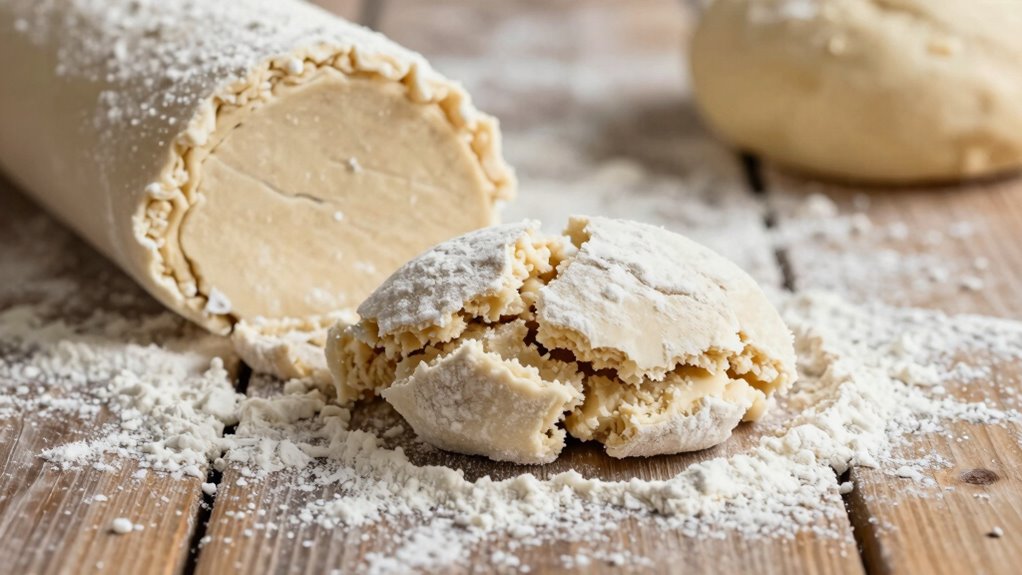
Making perfect biscuit dough starts with understanding a few simple tips that can make all the difference. One common mistake is overworking the dough, which can lead to excessive gluten development. Gluten is the protein that gives dough its structure, but too much of it makes biscuits tough instead of tender. To prevent this, handle your dough gently and mix just until the ingredients are combined. When you work the dough too much, gluten strands form, and the biscuits become dense and chewy rather than light and flaky. Pay close attention to your mixing process, stopping as soon as the dough comes together. Additionally, using cold ingredients is crucial to creating those desirable flaky layers, as warm ingredients can cause the fat to melt prematurely. Ingredient substitutions can also trip you up if you’re not careful. For instance, swapping out all-purpose flour for whole wheat or gluten-free alternatives can affect the dough’s texture and gluten development. Whole wheat flour absorbs more liquid, so you might need to add a bit more milk or buttermilk. Gluten-free flours lack the gluten structure, which means your biscuits could turn out crumbly or dense unless you add binders like xanthan gum or cornstarch. When making substitutions, it’s essential to adjust the liquid ratios and consider adding extra fat or leavening agents to help improve the dough’s consistency and rise. Another key to avoiding common pitfalls is temperature control. Using cold ingredients, especially butter or shortening, helps create those flaky layers that define good biscuits. When the fat is cold, it doesn’t fully incorporate into the flour, leaving small pockets of fat that melt during baking, creating steam and lift. If you use warm or melted fat, the biscuits tend to spread out and lose their flaky texture. Keep your butter chilled until you’re ready to cut it into the flour, and work quickly to keep everything cold. Proper temperature control is essential for achieving the perfect flaky layers and rise. Timing and resting the dough also matter. Overworking or rushing the process can lead to tough biscuits. Once you’ve mixed the dough, let it rest for about 10-15 minutes before baking. This allows the gluten strands to relax, resulting in a softer, more tender biscuit. Resting also helps the flour hydrate fully, improving the dough’s overall texture. Proper temperature and resting techniques are crucial for optimal biscuit texture and rise.
Frequently Asked Questions
Can I Reuse Leftover Biscuit Dough?
Yes, you can reuse leftover biscuit dough. Store it properly in an airtight container or wrap it tightly in plastic wrap to prevent drying out. When you’re ready to use it again, knead the dough gently to restore its texture and flavor. Keep in mind that dough storage over time may impact flavor, so reusing it might slightly alter taste, but re-kneading can enhance its freshness and usability.
What’s the Best Type of Flour for Biscuits?
You’d think choosing flour for biscuits is simple, but it’s a game of patience and protein levels. Use low-protein flour like cake or pastry flour, which prevents excessive gluten formation, keeping your biscuits tender and fluffy. High-protein flours create tough, chewy textures. So, skip the all-purpose and embrace the delicate, soft crumb that comes from the right flour—your biscuits will thank you for it.
How Does Altitude Affect Biscuit Baking?
At high altitudes, altitude adjustments are essential when baking biscuits. You should increase the baking temperature slightly to help the dough set properly. Also, reduce the amount of baking powder or baking soda to prevent over-expansion, and add a bit more liquid to counteract dry air. These changes help your biscuits rise evenly and stay tender, ensuring they turn out perfect despite the altitude challenges.
Can I Make Biscuit Dough Ahead of Time?
You can definitely make biscuit dough ahead of time. For example, you might refrigerate it overnight for convenience. Store your biscuit dough in an airtight container or wrap it tightly in plastic wrap to prevent drying out. Alternatively, you can freeze biscuit dough for longer storage—just wrap it well and thaw in the fridge before baking. Proper biscuit dough storage and freezing help maintain its freshness and flavor.
Why Are My Biscuits Too Dense?
Your biscuits are too dense because the dough consistency might be too heavy or overworked, which affects the biscuit texture. To fix this, use cold ingredients and handle the dough gently, just until it comes together. Avoid overmixing, as this can develop gluten and make your biscuits tough. Instead, fold the dough lightly, ensuring it remains soft and flaky. Properly measuring ingredients also helps achieve the perfect, tender biscuit texture.
Conclusion
Remember, mastering biscuit dough is like learning to dance—you may stumble at first, but with patience, you find your rhythm. I once watched a novice baker struggle with sticky dough, only to have her produce perfect, flaky biscuits after a few tries. Just as a seasoned dancer knows when to adjust a step, you’ll learn to read your dough’s signals. Keep experimenting, stay patient, and soon you’ll be creating biscuits that delight every time.
Fall Picks
fall essentials
As an affiliate, we earn on qualifying purchases.