
🔍 Read the full analysis: Teroldego Rotaliano: Trentino's Own Red Grape From The Valley Floor on Mad Tasting

Get kitchen staples and gadgets delivered free with Prime
- Fast, free delivery on millions of items
- Prime Video, Amazon Music and more included
- Member-only deals all year
TL;DR
Teroldego is a red grape closely associated with the Piana Rotaliana, north of Trento, and Teroldego Rotaliano has held Italian DOC status since 1971. The wines are generally dry, dark-fruited and lively in acidity, though style varies by producer and bottle.
Teroldego Rotaliano DOC, the appellation associated with Trentino’s Piana Rotaliana, has held Italian DOC status since 1971, according to a guide published by Mad Tasting. The guide describes Teroldego as a local red grape whose wines are generally dry, deeply colored and marked by dark fruit and lively acidity, connecting a specific valley-floor growing area with a recognizable regional style.
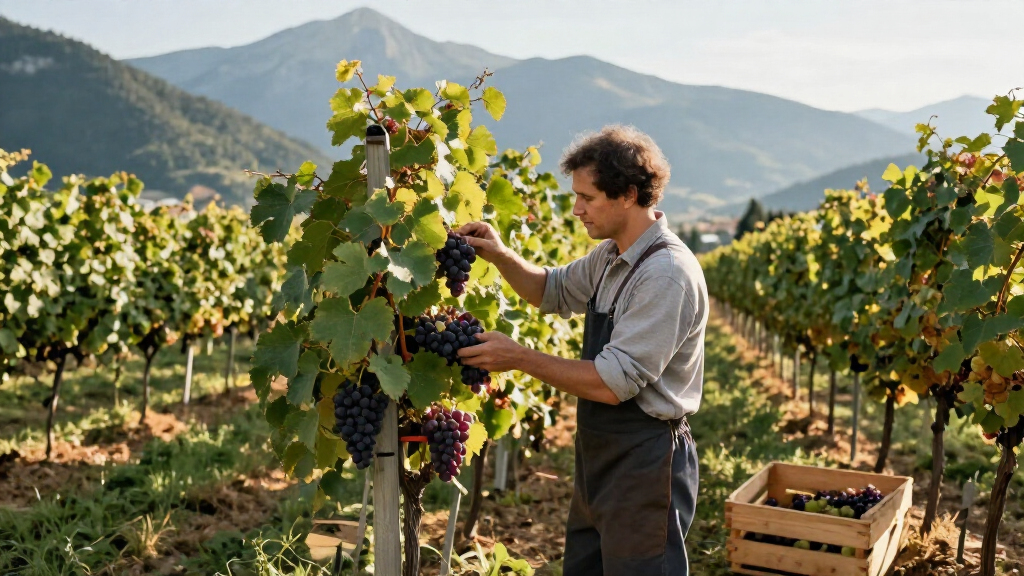
The Piana Rotaliana is a broad plain north of Trento, around Mezzolombardo, Mezzocorona and San Michele all’Adige. Vineyards sit between the Adige River and the foothills of the Dolomites. The guide says river and Alpine stream deposits have left gravel, sand and stones in the valley-floor soils, giving the area an alluvial landscape. It also cautions that individual vineyard conditions and winemaking choices differ, so the terrain does not make every bottle taste alike.
Mad Tasting describes Teroldego Rotaliano as typically a dry red with deep ruby-to-purple color and flavors such as black cherry, plum or blackberry. Violet, spice, herbs and earthy notes may also appear, while tannins can range from gentle to firmer. The guide presents those notes as a broad profile rather than a guarantee: vintage, site and production decisions affect the finished wine. It advises checking a bottle’s label and producer when choosing among styles.
The guide recommends serving the wine at about 16–18°C, with adjustments for the wine’s weight, and pairing it with foods including speck, sausage, mushrooms and polenta. It says bottles can range from fruit-forward wines for earlier drinking to more structured versions aged in wood; rosé styles may also be available. The source notes that exact production details, including permitted blends, depend on current appellation rules.
Teroldego Rotaliano Trentino’s valley-floor red
This local grape connects a distinctive red wine style to the Piana Rotaliana, north of Trento. Its DOC designation gives drinkers a geographic reference, while each bottle’s character depends on producer, site and vintage.
A place with a clear identity
The appellation links Teroldego to the Piana Rotaliana in Trentino.
Valley floor
Vineyards sit between the Adige River and the Dolomites’ foothills, on soils shaped by river and Alpine stream deposits.
Grape and region
“Teroldego” names the grape; “Rotaliano” connects the wine to its recognized home.
A typical glass
The guide describes a broad profile, not a promise that every bottle will taste alike.
Choose by bottle style
Compare producers and look for the full Teroldego Rotaliano DOC designation.
- Often suited to earlier drinking
- May fit a casual meal
- Some versions are aged in wood
- May suit a longer dinner
Serve and pair
Adjust serving temperature to the wine’s weight and style.
A Valley Grape With a Defined Appellation
The denomination gives drinkers a geographic reference when comparing bottles: “Teroldego” names the grape, while “Rotaliano” links the wine to its recognized home in the Piana Rotaliana. That matters in a crowded wine market, where a regional designation can help readers connect a bottle to a place rather than treating it as an interchangeable northern Italian red.
The guide’s food and serving suggestions also make the style easier to approach. A wine with dark fruit and lively acidity can work with the richness of sausage or polenta without being described as necessarily heavy. Still, the denomination does not guarantee one exact flavor or structure; the producer and specific bottling remain important to a purchase.
Products Worth Considering

Cuisinart Chef's Classic 13-Piece Stainless Steel Cookware Set

Cuisinart 7-in-1 Air Fryer Toaster Oven, 1800W, TOA-55

Le Creuset Enameled Cast Iron Rectangular Roaster, 5.25 qt, Riviera
As an affiliate, we earn on qualifying purchases.
The Piana Rotaliana’s Wine Roots
Teroldego is described by Mad Tasting as a distinct local variety closely associated with the Piana Rotaliana. The DOC status dates to 1971, giving the regional name a longstanding formal role. The guide places the vineyards on a plain shaped by river deposits and surrounded by Alpine terrain, a setting that helps explain the wine’s local identity.
The origin of the grape’s name is less certain. The guide says it is sometimes linked to “Tirolo,” but presents that explanation as debated rather than settled. It also distinguishes the grape name from the denomination: the label can identify both the variety and its regional expression, while production requirements should be checked against current appellation regulations when exact composition matters.
Bottle Styles and Rules Vary
The source is a consumer guide, not a report of a new regulatory change or a specific harvest announcement. It does not identify a particular producer, vintage or newly released wine. Its tasting descriptions are broad expectations, and individual bottles may differ in fruit, acidity, tannin and use of oak.
The guide does not provide the complete current production rules for Teroldego Rotaliano DOC. It says permitted blends and other details depend on the regulations in force, so readers who need to know a wine’s exact composition should consult the current appellation rules or producer information. The proposed connection between the grape’s name and “Tirolo” also remains unconfirmed in the source.
Check the Label and Choose a Style
For shoppers, the practical next step is to look for the full designation Teroldego Rotaliano DOC, then compare producers and stated styles. A fruit-forward bottle may suit a casual meal, while a more structured wine may fit a longer dinner; the guide suggests serving it at around 16–18°C and adjusting to the bottle’s weight. Pairings it names include speck, sausage, mushrooms and polenta.
No future announcement or milestone is identified in the source. Any change to appellation requirements, or claims about a specific bottle’s blend and production, would need to be checked through updated regulations or information from its producer.
Key Questions
What is Teroldego Rotaliano DOC?
It is the denomination associated with Teroldego wines from the Piana Rotaliana in Trentino. The appellation has held Italian DOC status since 1971.
What does Teroldego Rotaliano usually taste like?
Mad Tasting describes it as generally a dry, deeply colored red with black cherry, plum or blackberry notes and lively acidity. Spice, violet, herbs or earthy notes may appear, but bottle character varies.
What food pairs well with the wine?
The guide suggests speck, sausage, mushrooms and polenta. The wine’s acidity can complement richer foods, though the best match depends on the bottle’s weight and structure.
At what temperature should it be served?
The guide recommends about 16–18°C, with adjustments for the wine’s style and weight. Check the producer’s advice for a specific bottle.
Does every bottle taste the same?
No. Site, vintage, producer and winemaking choices can affect fruit, tannin, acidity and oak influence. The grape and appellation offer a regional starting point, not a guarantee of identical flavor.
Source: Mad Tasting