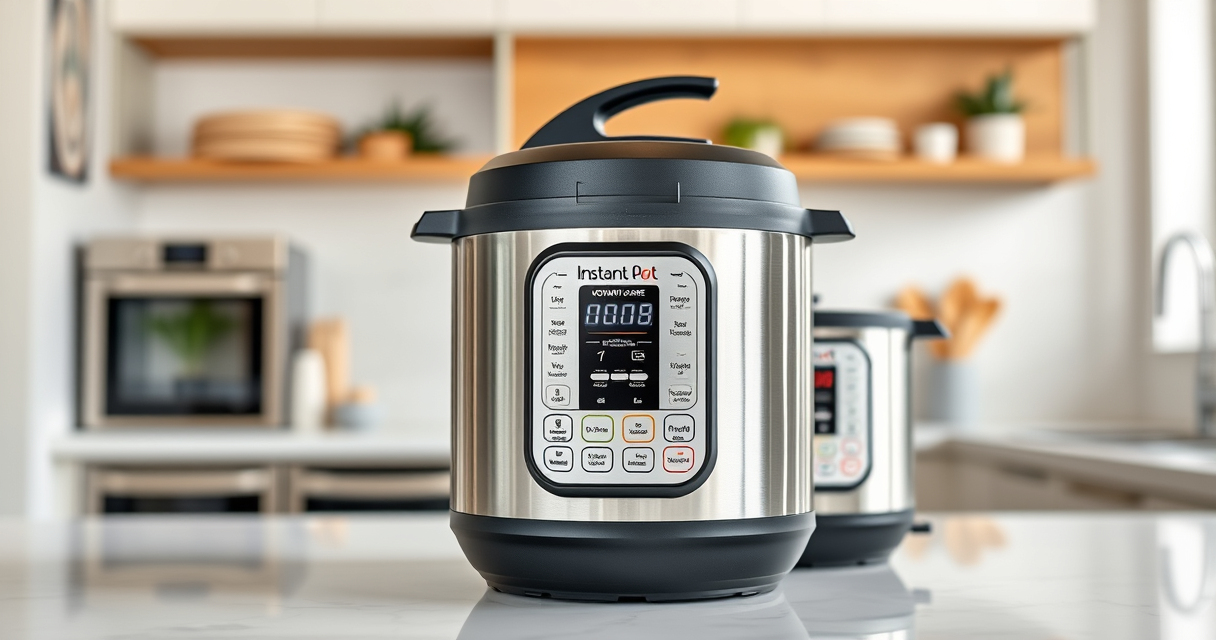

Owning an Instant Pot 4QT RIO Mini 7-in-1 Multi-Cooker offers convenience and versatility in your kitchen, but like all appliances, it requires proper care and occasional troubleshooting. Whether you’re experiencing issues with sealing, pressure buildup, or performance, this guide provides clear, step-by-step instructions to keep your device functioning optimally. Regular maintenance can extend its lifespan and ensure safety during every use.

Get kitchen staples and gadgets delivered free — and shop member deals
- Fast, free delivery on millions of items
- Access to Prime Big Deal Days deals on October 6–7
- Prime Video, Amazon Music and more included
In this comprehensive guide, you’ll learn how to identify common problems, troubleshoot effectively, and perform routine care to maintain your Instant Pot’s efficiency. Follow these practical tips to enjoy faster, safer, and more reliable cooking experiences.
Key Takeaways
| Routine cleaning | Regular cleaning of seals and valves prevents leaks. |
| Troubleshooting pressure issues | Understanding sealing and venting helps resolve pressure problems. |
| Component maintenance | Replacing worn seals and rings enhances safety and performance. |
| Safety tips | Always disconnect before cleaning or troubleshooting. |
| Storage advice | Proper storage prevents damage to seals and electronics. |
Understanding Your Instant Pot’s Common Problems
Before diving into troubleshooting, it’s essential to recognize typical issues that may arise with your Instant Pot 4QT RIO Mini. Common problems include sealing ring leaks, error messages, insufficient pressure buildup, or inconsistent cooking results. Most of these are caused by simple factors like improper sealing, clogged valves, or worn-out parts.
Knowing the root causes allows for targeted solutions, saving you time and avoiding unnecessary repairs. Keep an eye out for indicators such as steam escaping from the lid, error codes displaying on the screen, or the device failing to pressurize.
Step-by-Step Troubleshooting Guide
- Check the sealing ring: Ensure the silicone or rubber sealing ring is properly seated and free of cracks or deformation. Replace if damaged.
- Inspect the pressure release valve: Remove and clean the valve to clear any blockages. Make sure it’s securely reattached.
- Verify the lid alignment: The lid must be properly aligned and locked into place. Reposition if misaligned.
- Clean the float valve: Remove and rinse the float valve to prevent pressure leaks caused by debris.
- Test the device: After maintenance, run a simple cooking cycle to confirm proper pressure buildup and sealing.
Routine Maintenance and Care Tips
- Regularly clean the sealing ring: Wash with warm soapy water after each use and inspect for wear.
- Replace worn seals: Swap out the sealing ring and silicone gasket as needed, typically every 12-18 months or sooner if damaged.
- Clean the lid and steam release: Remove and wash the lid, paying special attention to the anti-spin and sealing areas.
- Check the venting system: Make sure the vent and float valve are free of debris for optimal function.
- Store properly: Keep the lid slightly ajar when not in use to prevent odors and mold formation.
Safety Precautions During Maintenance
Always unplug your Instant Pot before performing any cleaning or troubleshooting. Ensure all pressure has been released before opening the lid to avoid burns or injuries. Use only manufacturer-approved replacement parts, such as the original sealing rings and valves, to maintain safety standards. If your device displays persistent error messages or leaks despite troubleshooting, contact professional service or the manufacturer.
When to Replace Parts or Seek Professional Help
If your sealing ring shows cracks, tears, or persistent leaks, replacement is essential. The same applies to the silicone gasket or float valve if cleaning doesn’t resolve issues. For electrical or mechanical faults beyond basic maintenance, reach out to certified repair professionals or contact Instant Pot support. Regular inspections can prevent unexpected failures and ensure safe operation.
The Products in This Guide

Instant Pot 4QT RIO Mini 7-in-1 Multi-Cooker
- ✔ Model: B0F9B923NC
- ✔ Capacity: 4QT
- ✔ Functions: 7-in-1

AOZITA Steamer Basket
- ✔ Material: Stainless Steel
- ✔ Size: Fits 6/8 qt models
- ✔ Design: Stackable
Instant Pot 4QT RIO Mini 7-in-1 Multi-Cooker
The Instant Pot 4QT RIO Mini 7-in-1 Multi-Cooker offers versatile cooking functions in a compact size, perfect for small families, singles, or students. Its easy-to-use interface and modern design make it a kitchen essential.
Pros:
- 7-in-1 functionality
- Space-saving design
- Fast cooking times
- User-friendly interface
Cons:
- Limited capacity for larger families
- Requires regular seal maintenance
- Lid locking can be tight
Best for: Small households, quick meals, space-efficient cooking
Not ideal for: Cooking for large groups, extensive meal prep
Bottom line: A versatile, space-saving cooker ideal for small kitchens and quick meals.
AOZITA Steamer Basket
This AOZITA Steamer Basket adds versatility to your Instant Pot, enabling you to steam multiple foods simultaneously and improve meal prep efficiency. Its stainless steel design and stackable tiers make it a practical addition.
Pros:
- Two-tier stacking
- Made of durable stainless steel
- Compatible with 6 and 8 qt models
- Easy to clean
Cons:
- Requires extra space inside the pot
- May need adjustment for certain models
- Cleaning can be necessary after heavy use
Best for: Steaming vegetables, eggs, and seafood efficiently
Not ideal for: Cooking large quantities or for large families
Bottom line: A practical accessory to maximize your Instant Pot’s steaming capabilities.
Frequently Asked Questions
How do I prevent my Instant Pot from leaking?
Ensure the sealing ring is properly seated, the lid is aligned correctly, and the pressure release valve is clean and functioning. Regularly inspect seals for cracks or wear.
What should I do if my Instant Pot won’t pressurize?
Check the sealing ring, make sure the lid is locked properly, and verify the vent is clear. Sometimes, debris or improper sealing can prevent pressurization.
How often should I replace the sealing ring?
It’s recommended to replace the sealing ring every 12-18 months or sooner if you notice cracks, odors, or leaks during cooking.
Can I clean the float valve?
Yes, remove the float valve and rinse it thoroughly to remove any food particles or debris that may cause pressure issues.
Is it safe to leave the lid on when storing?
Yes, but leave the lid slightly ajar to prevent odors and mold formation. Always unplug before cleaning or storing.
Keep Your Instant Pot Performing at Its Best
Proper maintenance and troubleshooting are key to ensuring your Instant Pot 4QT RIO Mini remains a reliable kitchen companion. Regular cleaning, timely replacement of worn parts, and understanding common issues will help you enjoy safe and efficient cooking every time. Remember to always follow safety precautions during maintenance and when replacing parts. With these tips, your Instant Pot will continue to serve you well for many meals to come.
Affiliate disclosure: As an Amazon Associate we earn from qualifying purchases. Prices and availability are accurate as of the time of publishing.
Halloween Picks
halloween
As an affiliate, we earn on qualifying purchases.