
TL;DR

Get kitchen staples and gadgets delivered free with Prime
- Fast, free delivery on millions of items
- Prime Video, Amazon Music and more included
- Member-only deals all year
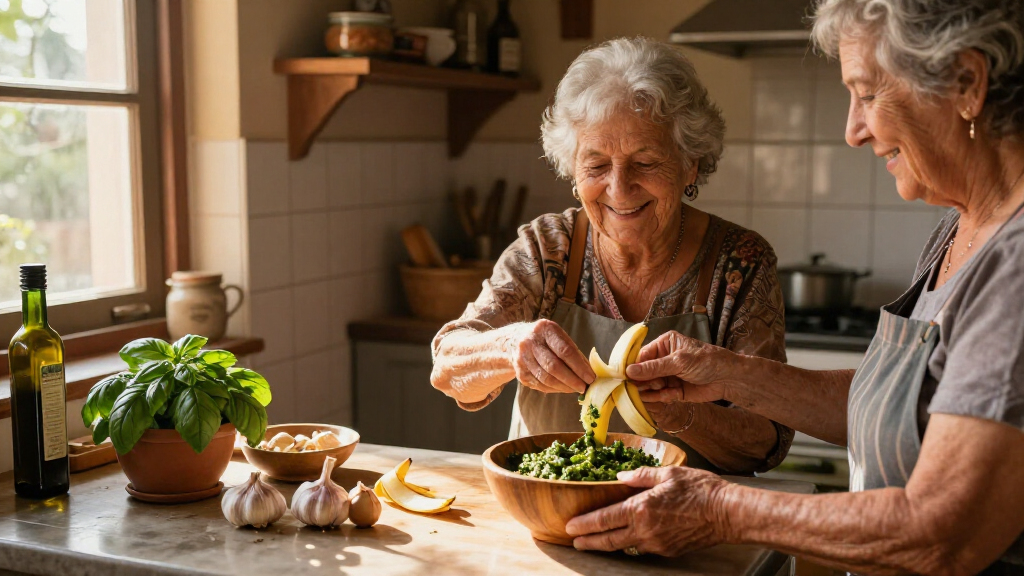
Seniors in Santiago are joining a community cooking initiative that teaches them to make meals from food scraps, including banana peels turned into pesto. This trend aims to reduce waste and promote healthy aging. Details are confirmed, but the program’s broader impact is still developing.
Senior residents in Santiago are participating in a new cooking initiative that teaches them how to prepare meals using food waste, such as banana peels turned into pesto. This program aims to promote sustainable practices among the elderly and reduce household food waste. The activity has gained local media attention and is seen as part of broader efforts to address food sustainability and social engagement among seniors.
The program, organized by local community centers in Santiago, offers workshops where seniors learn to repurpose common food scraps into edible dishes. Participants have reported making pesto from banana peels, vegetable stems, and other typically discarded ingredients. The initiative emphasizes food safety, hygiene, and nutrition, ensuring that seniors can prepare meals safely at home.
According to organizers, the workshops also serve as social activities that combat loneliness among the elderly, fostering community bonds and encouraging healthy, sustainable eating habits. The trend appears to be gaining popularity, with increasing attendance and media coverage highlighting the innovative approach to food waste reduction.
While specific recipes like banana peel pesto are being shared among participants, it is still early to determine the long-term impact of the program on waste reduction or nutritional outcomes. Authorities and organizers are monitoring participant feedback and planning to expand the initiative to more neighborhoods in Santiago.
Potential Impact on Waste Reduction and Elderly Well-being
This initiative matters because it combines environmental sustainability with social and health benefits for seniors. By teaching elderly residents to make use of food scraps, it could reduce household food waste, which is a significant contributor to environmental problems. Additionally, engaging seniors in cooking activities promotes mental and social well-being, helping to combat loneliness and encourage healthy aging.
If successful and scalable, this approach could serve as a model for other cities facing similar challenges around food waste and elderly care, fostering more sustainable and inclusive communities.
As an affiliate, we earn on qualifying purchases.
Growing Interest in Food Waste Recycling Among Seniors
Interest in food waste recycling has been rising globally, driven by environmental concerns and food security issues. In Santiago, local media reports indicate a spike in coverage of initiatives that promote repurposing food scraps, especially among community groups and seniors. The trend appears to be a response to both environmental awareness and the need for social programs that support healthy aging.
While specific programs like the one involving banana peel pesto are recent, they are part of a broader movement encouraging sustainable cooking practices. The exact origins of this particular initiative remain unconfirmed, but it aligns with recent local efforts to promote eco-friendly lifestyles among vulnerable populations.
It is not yet clear how widespread these practices will become or whether they will lead to measurable reductions in food waste at a larger scale. Authorities are still evaluating the program’s impact and exploring ways to integrate it into existing social services.
Unconfirmed Scope and Long-term Impact of the Program
It is not yet clear how many seniors are participating overall, or whether these practices will significantly reduce household food waste in Santiago. The long-term nutritional and environmental impacts are still being studied, and the program’s scalability remains unconfirmed.
Additionally, the origins of this specific trend—such as whether it is driven by local authorities, NGOs, or grassroots movements—are still unclear. Further data is needed to assess its broader adoption and effectiveness.
Monitoring and Expanding Sustainable Cooking Initiatives
Authorities and organizers plan to monitor participant feedback and evaluate the program’s impact on waste reduction and social engagement. There are intentions to expand the workshops to additional neighborhoods and incorporate more recipes involving food scraps.
Further studies and reports are expected over the coming months to assess the program’s success and potential for replication in other regions. Local officials may also consider integrating similar practices into broader sustainability policies.
Key Questions
How do seniors learn to make pesto from banana peels?
Participants attend workshops where they are guided through safe food handling and preparation techniques, including how to clean and process banana peels to make pesto. Recipes are shared, and practical demonstrations help seniors learn the process.
Is making pesto from food scraps safe?
According to organizers, the workshops emphasize food safety and hygiene, ensuring that all ingredients are properly cleaned and prepared. Participants are instructed on safe handling to prevent foodborne illnesses.
Will this program reduce household food waste in Santiago?
It is too early to determine the program’s impact on overall waste reduction. Authorities are monitoring participation and outcomes, but comprehensive data is not yet available.
Are there health benefits for seniors participating in this program?
Engaging in cooking activities can promote mental stimulation, social interaction, and healthy eating habits, which are beneficial for seniors’ overall well-being. Specific health outcomes are still being studied.
Could this trend spread to other cities or countries?
While the idea aligns with global sustainability efforts, its wider adoption depends on local interest, resources, and cultural acceptance. Further expansion would require institutional support and community engagement.
Source: local
NFL season / tailgating Picks
team gear
As an affiliate, we earn on qualifying purchases.