
Finding the best carbon monoxide detector means balancing reliability, ease of use, and affordability. The Kidde Plug-In CO Detector with Digital Display stands out as the overall top choice for its combination of convenience and dependable alerts. For those seeking portability, the Kidde AA Battery-Powered Portable Alarm offers flexibility, while the First Alert CO400 provides straightforward battery operation at a lower price point. Each option faces tradeoffs like power source dependence, alarm sensitivity, and feature sets. Continue reading for a detailed breakdown to help you pick the perfect detector for your needs.
Key Takeaways
- Detectors with digital displays help users monitor CO levels continuously, making them ideal for safety-conscious households.
- Battery-powered models offer portability but require regular battery checks to maintain reliability, unlike plug-in options with backup batteries.
- The top picks combine ease of installation with robust sensors, reducing false alarms and ensuring prompt alerts.
- Price varies significantly, but investing in a well-reviewed, certified detector can significantly enhance safety without excessive cost.
- Combination smoke and CO detectors save space and simplify setup, but may lack some specialized features of dedicated CO alarms.


More Details on Our Top Picks
Kidde Plug-In Carbon Monoxide Detector with 9-Volt Battery Backup and Digital Display – 2-Pack
This Kidde model excels by combining the convenience of plug-in power with a 9-volt battery backup, ensuring continuous protection during outages. Its digital LED display provides real-time CO level updates every 15 seconds, making it easier to monitor your home’s air quality at a glance, unlike the First Alert CO400, which lacks a digital display. The Peak Level Memory feature adds value by tracking detection history, but the reliance on a 9-volt battery means more frequent replacements compared to lithium-ion options. The Smart-Hush button effectively silences false alarms from cooking or steam, reducing nuisance alerts. However, its plug-in design limits placement flexibility, and the 85-decibel alarm, while loud, might not be sufficient for hearing-impaired households. This pick makes the most sense for homeowners who want reliable, easy-to-read CO monitoring with backup power.
Pros:- Easy plug-in installation with battery backup for outages
- Digital display shows real-time CO levels every 15 seconds
- Peak Level Memory tracks last detection or test
Cons:- Requires an electrical outlet, limiting placement options
- Battery replacement may be more frequent than lithium-ion types
- 85-decibel alarm might not be loud enough for all hearing needs
Best for: Homeowners seeking a dependable, easy-to-read CO detector with backup power and smart features
Not ideal for: Renters or those preferring wireless, battery-only solutions without plug-in dependency
- Power Source:Plug In (120V AC) with 9-Volt Battery Backup
- Sensor Type:Ionization
- Alarm Volume:85 Decibels
- Display Type:Digital LED
- Battery Life:9-Volt Alkaline (included)
- Warranty:10-Year Limited Manufacturer’s Warranty
Bottom line: Ideal for homeowners wanting continuous, monitored CO detection with a clear digital readout.
First Alert CO400 Carbon Monoxide (CO) Detector, Battery Operated Alarm, 1-Pack
The First Alert CO400 offers solid detection with its advanced electrochemical sensor, making it a reliable choice for those who prioritize straightforward operation over digital features. Its battery-powered design ensures protection even during power failures, unlike the Kidde Plug-In that depends on an outlet. While it doesn’t feature a digital display, its simplicity makes it easy for even less tech-savvy users to operate, and the 5-year limited warranty provides peace of mind. However, it lacks real-time readouts and peak level memory, unlike the Kidde Plug-In, which offers more detailed monitoring. This model also requires regular battery replacements, but its affordability makes it accessible for budget-conscious households. This pick is best for those wanting reliable detection without extra bells and whistles.
Pros:- Battery-powered for protection during outages
- Advanced electrochemical sensor for accurate detection
- 5-year limited warranty offers durability
Cons:- No digital display or real-time readouts
- Requires frequent battery replacements
- Less suited for those wanting detailed detection history
Best for: Budget-conscious families seeking straightforward, battery-powered CO detection
Not ideal for: Users desiring real-time CO level updates or digital displays
Bottom line: Perfect for those who want dependable, simple CO detection at an affordable price.
First Alert Carbon Monoxide Detector, Plug-In Alarm with Test & Silence Button, CO600, White, 1-Pack
The First Alert CO600 stands out for its ease of use—plug into any standard outlet, and it’s ready to monitor. Its electrochemical sensor ensures accurate detection, comparable to the Kidde Plug-In but without a digital display. The 7-year limited warranty and end-of-life signal make maintenance straightforward, though it lacks advanced features like peak level memory or real-time CO level display. This model is less flexible in placement compared to the Kidde Plug-In, which offers digital updates, but it’s a solid choice for quick setup and reliable detection. The absence of a digital readout means less immediate information, but for basic safety, it’s a practical option. This detector suits users who prioritize simplicity and quick installation.
Pros:- Easy to install in any standard outlet
- Electrochemical sensor provides accurate detection
- Long 7-year warranty minimizes replacements
Cons:- No digital display or real-time CO level readout
- Placement limited to outlets, reducing flexibility
- Lack of peak level memory for detection history
Best for: Homeowners wanting a simple, reliable plug-in CO alarm with minimal setup
Not ideal for: Users who prefer digital readouts or detailed monitoring features
Bottom line: Ideal for users seeking a straightforward, plug-in CO detector with long-term reliability.
First Alert CO606 Plug-In Carbon Monoxide Detector with Battery Backup
The First Alert CO606 offers the security of plug-in operation combined with a battery backup, ensuring continuous detection even during power failures. Its electrochemical sensor delivers accurate readings, comparable to the Kidde Plug-In models, but it lacks a digital display, which means less immediate data visibility. The 85-decibel alarm and an 8-hour low-battery mute are useful features, yet the mute duration might be insufficient for some households, especially during long outages. Its UL certification guarantees safety compliance, but the absence of advanced features like peak level memory makes it less suitable for users who want detailed detection history. This device is best suited for homes where power outages are common and continuous monitoring is a priority.
Pros:- Battery backup ensures detection during outages
- Electrochemical sensor for accurate detection
- UL-certified safety standards
Cons:- Mute function lasts only 8 hours
- No digital display or detailed monitoring
- Requires placement on every level for full coverage
Best for: Homeowners concerned about power outages and needing reliable backup detection
Not ideal for: Those seeking detailed real-time data or digital readouts
- Power Source:Corded Electric with Battery Backup
- Sensor Type:Electrochemical
- Alarm Volume:85 decibels
- Dimensions:1.38 x 5 x 3.4 inches
- Weight:4.2 ounces
- Operating Humidity:10-95% RH
Bottom line: Perfect for households where power outages are frequent and backup detection is essential.
Kidde Carbon Monoxide and Explosive Gas Alarm with 9V Battery Backup, Digital Display, 85 dB Alert, and LED Indicators (3rd Edition)
This Kidde alarm extends protection beyond CO by detecting explosive gases like natural gas and propane, making it ideal for households with gas appliances. Its digital LED display clearly shows CO or GAS levels, providing more comprehensive information than the First Alert CO600. The 9V battery backup ensures continued operation during outages, and peak level memory records the last detection event. Compared to single-function detectors, this model offers broader safety coverage but at the expense of slightly higher complexity and cost. It may trigger false alarms in high-humidity environments, similar to other multi-gas detectors. This choice is best for users who want multi-gas detection in addition to CO monitoring.
Pros:- Battery backup maintains power during outages
- Digital display provides real-time gas and CO levels
- Peak level memory for detection history
- Detects multiple gases for enhanced safety
Cons:- Higher cost compared to single-function detectors
- Possible false alarms in humid environments
- Requires installation near outlets and gas sources
Best for: Homeowners with gas appliances seeking combined CO and explosive gas alert
Not ideal for: Users who only need basic CO detection or prefer simple devices
Bottom line: Suitable for households requiring comprehensive safety coverage with multi-gas detection capabilities.
Kidde COBD Carbon Monoxide Detector with AA Battery Power and Digital Display
This model stands out for its portability and long-term reliability, thanks to a 10-year warranty and UL 2034 compliance. Unlike the plug-in Kidde CO detectors, the COBD is battery-powered, making it ideal for situations where outlet compatibility is uncertain or for travel. Its digital backlit display clearly shows CO levels, providing more immediate awareness compared to basic alarms. However, the need for periodic battery replacements and its lack of RV/boat approval mean it’s best suited for stationary home use or portable scenarios, not mobile environments. Compared with plug-in options, this detector offers more independence from power outlets but sacrifices the convenience of built-in power backup. Overall, this pick makes the most sense for homeowners seeking a durable, portable CO detector with a long warranty, who are comfortable with battery maintenance.
Pros:- Loud 85 dB alarm ensures immediate notice of hazards
- Battery-powered for outage resilience and portability
- Clear digital backlit display for quick CO level assessment
- 10-year warranty offers long-term peace of mind
Cons:- Requires regular battery replacements, adding maintenance
- Not approved for RV or marine use, limiting mobility applications
Best for: Homeowners who want a reliable, portable CO detector with a long-term warranty and easy placement.
Not ideal for: Travelers or RV owners needing a device approved for mobile environments or boat use, as it’s not rated for RV or marine environments.
- Model Number:COBD
- Battery Type:2 AA (included)
- Alarm Sound Level:85 dB
- Display Type:Digital Backlit with LED Indicators
- Standards Compliance:UL 2034, ETL Listed
- Warranty:10-Year Limited
Bottom line: This detector is ideal for homeowners prioritizing portability and long-term reliability over integrated power, but not for mobile or marine environments.
Kidde COB Carbon Monoxide Detector, AA Battery-Powered Portable Alarm with 85 dB Sound and LED Indicators
Compared to the Kidde COBD, this model offers similar features like an 85 dB alarm and LED indicators but is slightly larger, reflecting its straightforward portable design. It is ideal for those who want a simple, reliable CO detector that works during power outages thanks to battery operation, though its size may be a drawback for compact spaces. Unlike the COBD with its digital display, this unit provides basic LED indicators, which may be less informative but still effective in alerting users. The 10-year warranty matches higher-end models, but the need for periodic battery changes remains a common tradeoff. This detector makes the most sense for budget-conscious buyers seeking dependable, portable CO safety with minimal fuss, but it’s less suited for those who prefer compact or integrated solutions.
Pros:- Reliable 85 dB alarm alerts promptly
- Battery-powered operation during outages
- Includes a long 10-year warranty
- Simple, portable design for easy placement
Cons:- Requires periodic battery replacement, adding ongoing maintenance
- Larger size compared to plug-in or integrated models
Best for: Budget-conscious homeowners or travelers needing a dependable, portable CO detector with long warranty coverage.
Not ideal for: Those who prefer compact, space-saving models or require a device with a digital CO level display for quick readings.
- Alarm Sound Level:85 dB
- Battery Type:2 AA (included)
- Model Number:COB
- Edition:5th Edition UL 2034
- Warranty:10-year limited
Bottom line: This detector suits budget-aware users needing dependable portable CO detection with long warranty, but its size and basic indicators may be less ideal for tight spaces or detailed monitoring.
First Alert Combination Smoke & Carbon Monoxide Alarm, Battery Operated Detector with Test & Silence Button, SMICO100, 1-Pack
This combination alarm provides integrated smoke and CO detection, making it an excellent choice for users seeking comprehensive safety in a single device. Its advanced sensing technology reduces nuisance alarms caused by cooking or steam, unlike simpler models that may trigger false alerts. It’s powered entirely by batteries, offering flexible placement and easy installation, and features a test/silence button for quick verification. Compared with dedicated CO detectors, this model’s dual functionality minimizes clutter and ensures both threats are monitored simultaneously. The end-of-life warning signals when replacement is due, a helpful feature not always present in simpler detectors. Overall, this pick makes the most sense for households looking for reliable, space-efficient protection against both smoke and CO hazards, especially in environments prone to nuisance alarms.
Pros:- Reliable detection of both smoke and carbon monoxide
- Reduces nuisance alarms with advanced sensing technology
- Battery operated for flexible placement
- Includes test and silence functions for easy maintenance
Cons:- Higher cost compared to single-purpose detectors
- Bulkier than standalone units, may take up more space
Best for: Families needing a space-saving, reliable combined smoke and CO detector with advanced nuisance reduction technology.
Not ideal for: Users seeking a dedicated, digital CO level display or those with limited budget, as combined units tend to cost more than single-purpose detectors.
- Sensor Type:Precision Detection
- Power Source:Battery-operated
- Item Count:1
- Model Number:SMICO100
- Certifications:UL 2034
- Rank in Tools & Home Improvement:#225
Bottom line: This 2-in-1 detector offers comprehensive protection with reduced nuisance alarms, ideal for households wanting space-efficient safety but at a higher price point.
Kidde Plug-in Carbon Monoxide Detector with AA Battery Backup
This plug-in model offers the convenience of built-in power with the security of AA batteries during outages, making it a versatile choice for fixed home installation. Its rotating plug design allows vertical or horizontal outlet use, fitting various spaces easily. The 85 dB alarm provides effective hazard alerting, and meeting UL 2034 standards ensures safety compliance. Compared with battery-only detectors, the plug-in option simplifies installation and reduces the need for frequent battery changes. However, the need to replace batteries over time and the absence of a digital CO level display are notable tradeoffs. This detector makes the most sense for users who want a reliable, easy-to-install solution with backup power, but not for those who prefer portable or digital-readout models.
Pros:- Loud 85 dB alarm effectively alerts hazards
- Plug-in design with rotating outlet compatibility
- Battery backup ensures detection during power outages
- Meets UL 2034 safety standards
Cons:- Batteries need replacement over time
- No digital CO level display for quick readings
Best for: Homeowners seeking a dependable plug-in CO detector with backup power for easy setup and maintenance.
Not ideal for: Travelers or mobile users needing portable, battery-only units, or those who prefer digital CO readings.
- Model:COP
- Alarm Volume:85 dB
- Power Source:120V AC with 2 AA batteries
- Battery Backup Duration:Not specified
- Plug Type:Rotating
- Safety Certification:UL 2034 5th Edition
Bottom line: This plug-in detector suits users who value reliable, easy installation with backup power, but it’s less suitable for portable needs or those wanting digital readouts.
Kidde Carbon Monoxide Detector with AA Battery Backup and Digital Display
This detector combines a backlit digital display showing real-time CO levels with an 85 dB alarm, making it ideal for users who want detailed monitoring. Operating on 120V AC power with AA backup, it ensures continuous operation during outages, similar to the Kidde plug-in but with added CO level visibility. Its rotating plug design allows flexible outlet placement, and its UL 2034 certification guarantees compliance with safety standards. Unlike the combination smoke/CO unit, this device focuses solely on CO detection, providing more precise information for those who prefer monitoring CO levels over basic alarms. The need to remove batteries for travel or storage is a minor inconvenience, but the detailed CO readout can be a decisive advantage for safety-conscious users. It makes the most sense for households prioritizing accurate CO level awareness over multi-threat detection.
Pros:- Backlit digital display shows precise CO levels
- Battery backup ensures continuous detection during outages
- Rotating plug for flexible outlet placement
- UL 2034 certified for safety
Cons:- Batteries must be removed before travel
- Limited to CO detection, no smoke monitoring
Best for: Homeowners wanting detailed, real-time CO level monitoring combined with reliable power backup and flexible outlet placement.
Not ideal for: Users seeking a multi-threat detector or those who prefer purely battery-powered, portable units without digital readouts.
- Power Source:120V AC with AA backup
- Alarm Volume:85 dB
- Display:Backlit digital
- Battery Type:2 AA alkaline batteries
- Plug Design:Rotating
- Certifications:UL 2034 5th Edition
Bottom line: This detector excels for users needing detailed CO level information with reliable backup power, but it isn’t suitable for combined smoke detection or mobile environments.
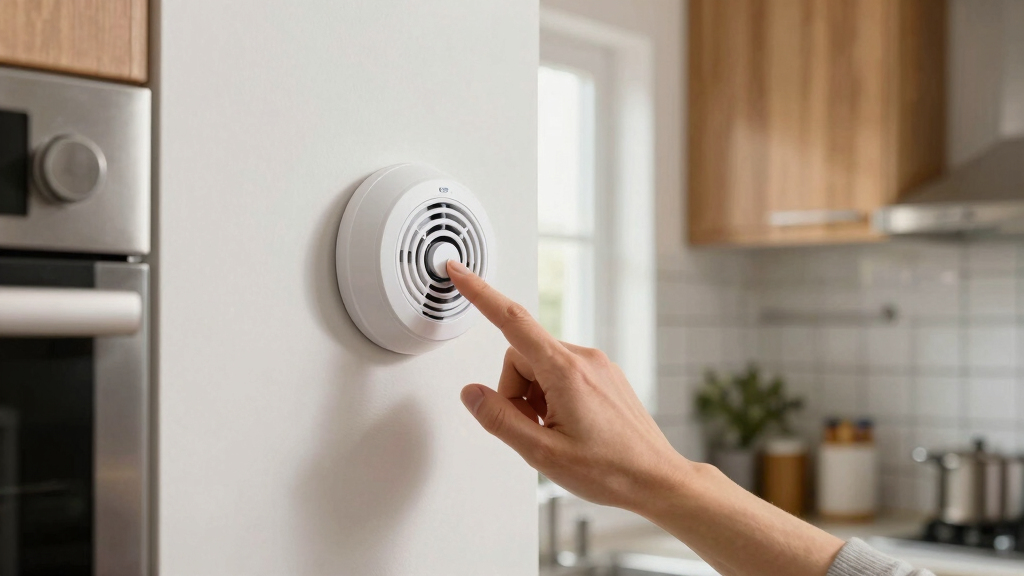
How We Picked
In selecting these products, I prioritized performance, ease of installation, and reliability. Every detector was evaluated based on sensor accuracy, alarm loudness, power source options, and additional features like digital displays or test buttons. Durability and user feedback also played a role in assessing long-term value. The ranking reflects a balance of affordability, advanced features, and proven safety standards, ensuring each option serves a specific need while maintaining high quality.Factors to Consider When Choosing Best Carbon Monoxide Detector
Choosing the best carbon monoxide detector requires understanding several key factors that influence safety, usability, and value. Beyond price, consider how the detector fits your home’s power setup, its alert system, and additional features. Proper placement and maintenance are equally vital for ensuring reliable detection. This guide highlights the main considerations to help you make an informed decision and avoid common pitfalls.Power Source and Installation
Deciding between plug-in, battery-operated, or hardwired detectors affects ease of installation and ongoing maintenance. Plug-in models often include battery backup, providing added security if power fails, but may require proximity to outlets. Battery-powered detectors offer flexibility for placement but need regular battery checks. Hardwired systems, typically wired into your home’s electrical system, are more complex to install but tend to be more reliable for permanent setups. Consider your home’s wiring and your comfort with installation when choosing the right power source.
Sensor Accuracy and Response Time
The core function of any CO detector is its ability to detect dangerous gas levels quickly and accurately. Look for models with electrochemical sensors, which are considered the most reliable and sensitive for detecting carbon monoxide. Faster response times can be lifesaving during a CO leak, so check product specifications for alert thresholds and response speed. Avoid overly cheap models that might compromise safety due to inferior sensors or delayed alarms.
Alarm Features and Ease of Use
Features like loud alarms (at least 85 dB), test buttons, and digital displays enhance usability and safety. Digital displays help you monitor CO levels over time, while test buttons ensure the alarm is functional. Some models include silence buttons to prevent nuisance alarms, but be cautious if these are easy to disable, as it could lead to missed alerts. Clear, straightforward operation is essential for all users, especially in emergencies.
Maintenance and Battery Life
Regular testing and battery replacement are vital to keep your detector operational. Battery longevity varies—some models use replaceable batteries, while others have long-life sealed units. Devices with digital displays often indicate low battery status, reducing the risk of silent failures. Budgeting for periodic maintenance ensures consistent protection, and choosing models with easy-to-access battery compartments can save time and frustration.
Additional Features and Certifications
Features like combination smoke and CO detection save space and simplify installation, but may lack the specialized sensitivity of dedicated alarms. Certifications from organizations like UL or CSA confirm the device meets safety standards. Some detectors include smart connectivity options, allowing notifications via smartphone, which can be useful for monitoring multiple areas remotely. Weigh the convenience of extra features against cost and potential complexity they add to your setup.
Frequently Asked Questions
How often should I test my CO detector?
It is recommended to test your carbon monoxide detector at least once a month to ensure it functions correctly. Most detectors have a test button—pressing it simulates an alarm, confirming the circuitry and sensor are working properly. Regular testing is especially important after power outages or if the device has been moved or bumped. Additionally, follow the manufacturer’s guidance on replacing batteries or the entire unit to maintain reliable detection over time.
Where is the best place to install a CO detector?
The ideal location for installing a carbon monoxide detector is on each level of your home, particularly near sleeping areas and in the vicinity of potential sources like furnaces, water heaters, or attached garages. Avoid placing detectors too close to vents, windows, or doors, which could cause false alarms. Mounting detectors at eye level or slightly above is recommended for optimal sensitivity. Proper placement ensures early detection without false triggers.
Can I use a regular smoke detector as a CO detector?
While some combination smoke and CO detectors exist, a standard smoke detector alone cannot reliably detect carbon monoxide. CO detectors use specialized sensors designed to respond to gas levels, whereas smoke alarms are tuned for particulate detection. Relying solely on smoke detectors leaves you unprotected against invisible, odorless CO leaks. For safety, install dedicated CO detectors in addition to smoke alarms in strategic locations.
What features should I prioritize if I want a detector for a rental property?
For rental properties, prioritize detectors that are easy to install, maintain, and reset. Battery-powered models with long-life batteries minimize the need for frequent checks, and digital displays or indicator lights can alert tenants to low batteries. Combining smoke and CO detection can save space and simplify compliance. Additionally, choosing certified models with clear labeling ensures tenant safety without requiring complex wiring or frequent technician visits.
Is it worth paying more for a smart CO detector?
Smart CO detectors offer features like app notifications, remote monitoring, and integration with home automation systems, which enhance safety, especially for larger or multi-story homes. They can alert you immediately if you’re away or asleep, providing peace of mind. However, they also tend to be more expensive and may require stable Wi-Fi and smartphone setup. For tech-savvy users or homes with higher safety concerns, investing in a smart detector can be worthwhile, but basic models still provide reliable protection at a lower cost.
Conclusion
For those seeking the best overall safety, the Kidde Plug-In Carbon Monoxide Detector with Digital Display offers reliable detection with user-friendly features. Budget-conscious buyers will find the First Alert CO400 to be a solid, affordable choice, while homeowners wanting advanced features might prefer a smart, connected model. Beginners should opt for simple, battery-operated units with easy testing, whereas larger households or rental properties benefit from combination units or hardwired systems. Overall, matching the detector to your home’s setup and your safety priorities ensures peace of mind in 2026 and beyond.