
For a balanced everyday loaf, I’d start with Dave’s Killer Bread 21 Whole Grains & Seeds Thin-Sliced: it pairs an extensive grain-and-seed mix with a slimmer slice for buyers who want hearty bread without as much bread per sandwich. Oroweat 100% Whole Wheat is a simpler, familiar alternative, while Food for Life Ezekiel 4:9 stands out for its sprouted-grain approach. The main tradeoffs are hearty texture versus a softer bite, a short ingredient list versus a more varied grain blend, and standard slices versus thin or dense formats. I compare all 15 options by what their grain profiles, styles, and intended uses offer—and where each may fall short. Continue reading for the full breakdown and help matching a loaf to your table.

Get kitchen staples and gadgets delivered free with Prime
- Fast, free delivery on millions of items
- Prime Video, Amazon Music and more included
- Member-only deals all year
Key Takeaways
- Grain variety does not automatically mean a better everyday loaf: Dave’s 21-grain thin-sliced bread offers variety in a slimmer format, while Oroweat 100% Whole Wheat keeps the choice more straightforward.
- Texture is a major divider: conventional sandwich loaves such as Nature’s Own and Pepperidge Farm 100% Whole Wheat suit familiar sandwiches, while Mestemacher loaves are denser and more distinct in style.
- Slice format changes how a loaf works: Dave’s thin-sliced option may suit smaller sandwiches, while a standard-cut loaf gives more substance for toast and fuller fillings.
- Specialty grain approaches have specific audiences: Food for Life Ezekiel 4:9 brings sprouted grains into the lineup, but shoppers who prefer a soft, conventional slice may favor other picks.
- The lineup spans more than everyday sandwich bread: Mestemacher’s pumpernickel and variety bundle suit buyers seeking dense, distinctive options, while Round Top Wheat Bread and mainstream whole-wheat loaves lean toward familiar use.
| Oroweat Whole Grains 100% Whole Wheat Bread, 24 oz Loaf |  | Best Everyday Whole Wheat | Brand: Oroweat | Bread type: 100% whole wheat | Package size: 24 oz loaf | VIEW LATEST PRICE | See Our Full Breakdown |
| Dave’s Killer Bread 21 Whole Grains & Seeds Thin-Sliced Organic Bread, 20.5 oz |  | Best Organic Thin-Sliced Pick | Weight: 20.5 oz | Slice style: Thin-sliced | Organic: Yes | VIEW LATEST PRICE | See Our Full Breakdown |
| Food for Life Organic Ezekiel 4:9 Bread, 24 oz |  | Best for Organic and Vegan Shoppers | Weight: 24 oz | Organic: Yes; USDA-certified | Dietary suitability: Vegan | VIEW LATEST PRICE | See Our Full Breakdown |
| Pepperidge Farm Whole Grain 15 Grain Bread, 24 Oz Loaf |  | Best Multigrain for Toast and Sandwiches | Weight: 24 oz | Grain varieties: 15 | Whole grains: 46 grams per 2 slices | VIEW LATEST PRICE | See Our Full Breakdown |
| Mestemacher Organic Three Grain Whole Grain Bread |  | Best Shelf-Stable Organic Loaf | Weight: 17.6 oz | Grain profile: Three grain | Ingredients: Organic rye flour, oat flakes, barley flakes, flaxseed, and sesame seeds | VIEW LATEST PRICE | See Our Full Breakdown |
| Mestemacher Natural High Fiber Bread 3 Flavor Variety Bundle |  | Best Variety Pack | Included varieties: Organic Three Grain, Pumpernickel, Whole Rye | Number of loaves: 3 | Weight per loaf: 17.6 oz | VIEW LATEST PRICE | See Our Full Breakdown |
| Nature’s Own 100% Whole Wheat Bread, 20 oz Loaf |  | Best for Soft Everyday Sandwiches | Loaf size: 20 oz | Whole grains: 13 g per slice | Calories: 60 per slice | VIEW LATEST PRICE | See Our Full Breakdown |
| Pepperidge Farm 100% Whole Wheat Bread, 24 oz Loaf |  | Best for Fiber and Protein per Serving | Loaf size: 24 oz | Whole grain flour: 100% | Protein: 10 g per 2 slices | VIEW LATEST PRICE | See Our Full Breakdown |
| Oroweat 12 Grains and Seeds Whole Grain Bread, 24 oz |  | Best High-Fiber Grain Blend | Package weight: 24 oz | Bread type: 12 grains and seeds whole grain | Whole grains: 38 g per 2 slices | VIEW LATEST PRICE | See Our Full Breakdown |
| Dave’s Killer Bread 21 Whole Grains & Seeds, Organic Whole Grain Bread, 27 oz Loaf |  | Best Organic Hearty Loaf | Weight: 27 oz | Whole grains per slice: 22 g | Protein per slice: 6 g | VIEW LATEST PRICE | See Our Full Breakdown |
| Oroweat Organic 22 Whole Grains and Seeds Bread, 27 oz |  | Best Organic Seed Variety | Brand: Oroweat | Weight: 27 oz | Type: Sliced bread | VIEW LATEST PRICE | See Our Full Breakdown |
| The Rustik Oven Hearty Grains & Seeds Bread, 16 oz Loaf |  | Best Artisan-Style Texture | Brand: The Rustik Oven | Flavor: Hearty Grains & Seeds | Weight: 16 oz | VIEW LATEST PRICE | See Our Full Breakdown |
| Oroweat Whole Grains Healthy Multi-Grain Bread, 24 oz Loaf |  | Best for a Clear Whole-Grain Benchmark | Brand: Oroweat | Product type: Sliced multi-grain bread | Net weight: 24 oz | VIEW LATEST PRICE | See Our Full Breakdown |
| Round Top Wheat Bread, 20 oz |  | Best for Frozen Storage | Product type: Wheat bread | Weight: 20 oz | Storage: Frozen | VIEW LATEST PRICE | See Our Full Breakdown |
| Mestemacher Pumpernickel Bread, 17.6 oz, Pack of 12 | 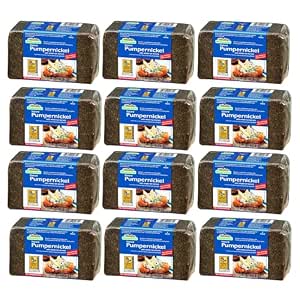 | Best Dense Rye for Savory Toppings | Bread type: Pumpernickel | Main ingredient: Whole rye | Package size: 17.6 oz per loaf | VIEW LATEST PRICE | See Our Full Breakdown |
More Details on Our Top Picks
Oroweat Whole Grains 100% Whole Wheat Bread, 24 oz Loaf
For shoppers who want a straightforward whole-wheat loaf, Oroweat pairs 23 grams of whole grains per slice with 4 grams of protein and 3 grams of fiber. That makes it a more whole-grain-forward option per slice than Dave’s Killer Bread 21 Whole Grains & Seeds Thin-Sliced, which lists 12 grams, though Dave’s has organic and Non-GMO credentials and thinner portions. Oroweat’s familiar 100% whole wheat format suits everyday sandwiches, toast, and snacks without the seed-heavy texture of several multigrain picks. It also avoids artificial colors, flavors, preservatives, and high fructose corn syrup. The tradeoff is a simpler grain profile: shoppers seeking varied grains, seeds, or certified organic ingredients may prefer Pepperidge Farm 15 Grain or Dave’s. The supplied details do not specify allergen information.
Pros:- Provides 23 grams of whole grains per slice.
- Each slice has 4 grams of protein and 3 grams of fiber.
- Contains no artificial colors, flavors, or preservatives.
- No high fructose corn syrup; suitable for sandwiches, toast, and snacks.
Cons:- Does not offer the organic and Non-GMO claims listed for Dave’s Killer Bread Thin-Sliced.
- A 100% whole-wheat profile has less grain and seed variety than Pepperidge Farm 15 Grain.
- The supplied product details do not give allergen information.
Best for: Households looking for a familiar 100% whole-wheat loaf with substantial whole grains per slice for everyday sandwiches and toast.
Not ideal for: Shoppers prioritizing organic certification or a varied seed-and-grain texture; Dave’s Killer Bread Thin-Sliced or Pepperidge Farm 15 Grain is a better match.
- Brand:Oroweat
- Bread type:100% whole wheat
- Package size:24 oz loaf
- Whole grains:23 grams per slice
- Protein:4 grams per slice
- Fiber:3 grams per slice
- Artificial colors, flavors, and preservatives:None
- High fructose corn syrup:None
Our verdict“Choose Oroweat for a dependable everyday whole-wheat loaf with high stated whole-grain content per slice, but choose another pick for organic certification or a more varied grain mix.”
Dave’s Killer Bread 21 Whole Grains & Seeds Thin-Sliced Organic Bread, 20.5 oz
Dave’s is the pick for buyers who want organic, Non-GMO bread with an explicitly thin-sliced format. Each slice lists 12 grams of whole grains, 3 grams of protein, and 3 grams of fiber, along with 60 calories. The thinner portions can suit lighter sandwiches or toast when a standard slice feels too substantial. Compared with Oroweat Whole Grains 100% Whole Wheat, Dave’s has less listed whole grain per slice but brings a broader 21-grain-and-seed profile and organic certification. Its hearty texture, subtle sweetness, and seed-coated crust give it more character, though the seeds may not suit every palate. Thin slices can also feel less filling, and the organic positioning may mean a higher outlay than simpler loaves. Choose Oroweat if maximum listed whole grains per slice matters more than slice size or certification.
Pros:- Made with organic and Non-GMO ingredients.
- Provides 12 grams of whole grains, 3 grams of protein, and 3 grams of fiber per slice.
- Thin slices work well for lighter sandwiches and toast.
- Hearty texture and subtle sweetness add variety beyond plain whole wheat.
Cons:- Seed-coated crust and grainy texture may not suit people who prefer smooth bread.
- Thin slices may feel less filling than a standard slice.
- Organic certification may make it a pricier choice than less specialized loaves.
Best for: Organic and Non-GMO shoppers who want thinner slices for lighter sandwiches, portion-conscious toast, or snacks.
Not ideal for: Buyers who prefer smooth, seed-free bread or thick, filling slices; Oroweat offers more listed whole grains per slice.
- Weight:20.5 oz
- Slice style:Thin-sliced
- Organic:Yes
- Non-GMO:Yes
- Calories:60 per slice
- Protein:3 grams per slice
- Fiber:3 grams per slice
- Whole grains:12 grams per slice
Our verdict“Pick Dave’s for organic credentials and thin, seeded slices, but choose Oroweat if your priority is more whole grains per slice.”
Food for Life Organic Ezekiel 4:9 Bread, 24 oz
Food for Life earns a place for shoppers whose first filters are USDA-certified organic ingredients and suitability for a vegan diet. Unlike Oroweat Whole Grains 100% Whole Wheat, whose supplied details give specific per-slice whole-grain, protein, and fiber figures, this product information does not provide nutrition amounts or a grain breakdown. That leaves less data for comparing nutritional value against the other loaves here, including Dave’s Killer Bread Thin-Sliced. The more practical distinction is its handling: it arrives frozen and needs refrigeration upon delivery, so it asks more of buyers than shelf-stable Mestemacher Organic Three Grain. This can suit someone who plans storage around delivery, but it is less convenient for a pantry-first household or anyone needing a quick, clearly documented nutrition comparison. Check the package details if specific nutrient targets guide your choice.
Pros:- Made with USDA-certified organic ingredients.
- Suitable for vegan diets.
- A 24-ounce loaf offers another organic option alongside Dave’s Killer Bread Thin-Sliced.
Cons:- Arrives frozen and requires refrigeration upon delivery.
- The supplied product details do not specify whole-grain, protein, or fiber amounts.
- Less convenient to store than shelf-stable Mestemacher Organic Three Grain.
Best for: Vegan shoppers seeking USDA-certified organic bread who can refrigerate it promptly after frozen delivery.
Not ideal for: Pantry-only households and shoppers who need stated per-slice whole-grain, fiber, or protein figures before choosing; Mestemacher Organic Three Grain is shelf-stable.
- Weight:24 oz
- Organic:Yes; USDA-certified
- Dietary suitability:Vegan
- Delivery condition:Frozen
- Storage:Refrigerate upon delivery
- Brand:Food for Life
Our verdict“Choose Ezekiel 4:9 for an organic vegan option if you can manage frozen delivery and refrigeration, but look elsewhere when pantry storage or detailed nutrition figures matter.”
Pepperidge Farm Whole Grain 15 Grain Bread, 24 Oz Loaf
Pepperidge Farm is the strongest fit here for shoppers who want a varied grain-and-seed blend with nutrition figures stated per two slices: 46 grams of whole grains, 10 grams of protein, and 6 grams of fiber. Its touch of sweetness and satisfying texture make it a flexible choice for toast or sandwiches. Against Oroweat Whole Grains 100% Whole Wheat, it offers a broader mix—15 grains rather than a single whole-wheat style—but Oroweat’s whole-grain figure is listed per slice, so the numbers are not a direct portion-for-portion comparison. The tradeoffs are relevant: the bread contains wheat, soy, and milk allergens, and the product may contain preservatives such as calcium propionate and sorbic acid. Choose it for grain variety and stated two-slice nutrition; skip it if those allergens are a concern or you want a simpler ingredient profile.
Pros:- Lists 46 grams of whole grains per two slices.
- Provides 10 grams of protein and 6 grams of fiber per two slices.
- A 15-grain blend brings more variety than Oroweat’s 100% whole-wheat profile.
- Versatile for toast and sandwiches, with a lightly sweet taste.
Cons:- Contains wheat, soy, and milk allergens.
- May contain preservatives such as calcium propionate and sorbic acid.
- The nutrition figures are listed per two slices, unlike some per-slice comparisons in this roundup.
Best for: Sandwich and toast eaters who want multiple grains, a touch of sweetness, and nutrition figures stated for a two-slice portion.
Not ideal for: People avoiding wheat, soy, or milk, or shoppers who prefer bread without the listed potential preservatives.
- Weight:24 oz
- Grain varieties:15
- Whole grains:46 grams per 2 slices
- Protein:10 grams per 2 slices
- Fiber:6 grams per 2 slices
- Main ingredients:Whole wheat flour, water, wheat gluten, sunflower seeds, wheat berries, oats, buckwheat, millet, amaranth flours, flaxseed, brown rice meals, quinoa, sorghum, and spelt flours
- Allergens:Wheat, soy, and milk
- Potential preservatives:Calcium propionate and sorbic acid
Our verdict“Choose Pepperidge Farm for a sweet-leaning, varied multigrain loaf with strong stated two-slice nutrition, unless its allergens or potential preservatives are a problem.”
Mestemacher Organic Three Grain Whole Grain Bread
Mestemacher stands out for combining organic ingredients, vegan suitability, and shelf-stable storage in a 17.6-ounce German-style whole-grain loaf. Its organic rye flour, oat flakes, barley flakes, flaxseed, and sesame seeds create a more distinctive, hearty profile than the familiar wheat-forward Oroweat loaf. Compared with Food for Life Organic Ezekiel 4:9, it is the easier option for pantry storage: Ezekiel arrives frozen and needs refrigeration. That convenience comes with a texture tradeoff. The dense, hearty loaf is described as best toasted or paired with toppings, so it may not be the right pick for someone who wants soft, neutral sandwich bread straight from the package. Its three-grain description is also less extensive than Pepperidge Farm’s 15-grain blend, and the supplied details do not give per-slice fiber figures despite the high-fiber positioning.
Pros:- Uses organic rye flour, oat flakes, barley flakes, flaxseed, and sesame seeds.
- Vegan and Non-GMO.
- Shelf-stable storage avoids the frozen delivery and refrigeration needs of Food for Life Ezekiel 4:9.
- Hearty rye-based profile offers an alternative to wheat-forward loaves.
Cons:- The dense bread is described as best toasted or served with additional toppings.
- Three grains offer less variety than Pepperidge Farm’s 15-grain blend.
- The supplied details do not state fiber or other per-slice nutrition amounts.
Best for: Vegan and Non-GMO shoppers who want an organic rye-based loaf that can be stored in the pantry.
Not ideal for: Buyers seeking soft, mild sandwich bread or clear per-slice nutrition figures; Oroweat is a more familiar wheat option, while Pepperidge Farm specifies more grain varieties.
- Weight:17.6 oz
- Grain profile:Three grain
- Ingredients:Organic rye flour, oat flakes, barley flakes, flaxseed, and sesame seeds
- Organic:Yes
- Dietary suitability:Vegan
- Non-GMO:Yes
- Storage:Shelf stable
- Origin or style:German whole-grain bread
Our verdict“Choose Mestemacher for organic, vegan pantry storage and a hearty rye profile, but skip it if you want soft bread or clearly listed per-slice nutrition.”
Mestemacher Natural High Fiber Bread 3 Flavor Variety Bundle
Three distinct rye-forward loaves make this bundle a strong pick for shoppers who want more range than a standard wheat loaf. It includes Organic Three Grain, Pumpernickel, and Whole Rye, each in a 17.6-ounce loaf, so it offers a way to compare flavors without buying a case of just one type. Its high-fiber, no-preservative profile also sets it apart from softer sandwich staples such as Nature’s Own 100% Whole Wheat Bread. The tradeoff is that this lineup leans toward dense, assertive breads rather than mild, pillowy slices; the description also gives no per-serving nutrition details or shelf-life information. I would choose it for hearty toast and sandwiches, but skip it if I need a soft everyday bread or exact nutrition figures.
Pros:- Includes three different breads: Organic Three Grain, Pumpernickel, and Whole Rye
- High-fiber positioning suits shoppers prioritizing fiber-rich bread
- Made without preservatives
- Kosher certified
Cons:- Rye and pumpernickel flavors may be too strong for shoppers who prefer mild wheat bread
- No specific per-serving nutrition information is supplied
- Shelf life is not specified
Best for: Shoppers who enjoy dense rye and multigrain breads and want three flavors for toast or hearty sandwiches
Not ideal for: Buyers seeking soft, mild sandwich slices or those who need detailed per-serving nutrition and shelf-life information
- Included varieties:Organic Three Grain, Pumpernickel, Whole Rye
- Number of loaves:3
- Weight per loaf:17.6 oz
- Dietary feature:High fiber
- Preservatives:No preservatives
- Certification:Kosher
Our verdict“Choose this bundle if you want three hearty, high-fiber bread styles in one purchase and are comfortable without detailed nutrition figures.”
Nature’s Own 100% Whole Wheat Bread, 20 oz Loaf
For buyers who want whole wheat without a dense, seed-studded bite, soft-sliced convenience is this loaf’s main advantage. It provides 13 grams of whole grains and 60 calories per slice, and its simpler recipe excludes artificial colors, flavors, and preservatives. That makes it a more approachable daily sandwich choice than Oroweat 12 Grains and Seeds Whole Grain Bread, which has a heartier blend and more fiber per two slices but a more textured profile. Nature’s Own also carries Non-GMO Project Verified certification and uses expeller-pressed canola oil. The tradeoff is that it offers less variety in texture and fewer stated nutrition details than some grain-heavy options here; its 20-ounce loaf is also smaller than the 24-ounce Pepperidge Farm loaf. I would pick it for familiar, tender slices, not for maximum grain variety.
Pros:- Soft slices work well for everyday sandwiches and snacks
- Provides 13 g of whole grains per slice
- Non-GMO Project Verified
- Contains no artificial colors, flavors, or preservatives
Cons:- Less grain and seed variety than heartier options such as Oroweat 12 Grains and Seeds
- The 20 oz loaf is smaller than several 24 oz options in this lineup
Best for: Households wanting tender, mild whole wheat slices for regular sandwiches, lunchboxes, and snacks
Not ideal for: Shoppers who prioritize a dense seed-and-grain texture or want the higher stated fiber content of Oroweat 12 Grains and Seeds
- Loaf size:20 oz
- Whole grains:13 g per slice
- Calories:60 per slice
- Oil:Expeller-pressed canola oil
- Certification:Non-GMO Project Verified
- Artificial colors, flavors, or preservatives:None
Our verdict“Pick this loaf for soft, straightforward whole wheat slices rather than a hearty, highly textured grain blend.”
Pepperidge Farm 100% Whole Wheat Bread, 24 oz Loaf
Six grams of fiber and 10 grams of protein per two slices give this loaf a clear nutrition-focused case, while the 100% whole grain flour keeps its whole-wheat identity direct. Cracked wheat on top adds a more noticeable surface texture than Nature’s Own 100% Whole Wheat Bread, whose appeal is its softer, simpler sandwich feel. Compared with Oroweat 12 Grains and Seeds, Pepperidge Farm is the more focused whole-wheat option rather than a blend built around many grains and seeds. The 24-ounce loaf suits regular toast and sandwich use, though the supplied details do not state calories or ingredient exclusions, so shoppers comparing those specifics have less information. I would put it on the shortlist for buyers who want fiber and protein figures alongside a classic whole-wheat loaf, not for anyone seeking a soft, smooth slice.
Pros:- Made with 100% whole grain flour
- Provides 6 g of fiber per two slices
- Provides 10 g of protein per two slices
- Cracked wheat adds texture and suits toast or sandwiches
Cons:- Cracked wheat topping may not suit shoppers who prefer smooth bread
- Calories per serving are not provided in the supplied product details
- No information is provided about artificial ingredients or preservatives
Best for: Whole-wheat shoppers who want stated fiber and protein amounts and like a cracked-wheat texture on toast or sandwiches
Not ideal for: Buyers who prefer smooth, soft slices or need calorie and ingredient-exclusion details before choosing
- Loaf size:24 oz
- Whole grain flour:100%
- Protein:10 g per 2 slices
- Fiber:6 g per 2 slices
- Whole grains:50 g per 2 slices
- Topping:Cracked wheat
Our verdict“Choose this 24-ounce loaf if you want classic whole wheat with stated fiber and protein figures and do not mind a textured topping.”
Oroweat 12 Grains and Seeds Whole Grain Bread, 24 oz
Oroweat earns a distinct place for shoppers who want seven grams of fiber per two slices and a bread with more going on than plain whole wheat. Its 12-grain-and-seed blend also supplies 38 grams of whole grains and 10 grams of protein per two-slice serving. Against Pepperidge Farm 100% Whole Wheat Bread, which lists 50 grams of whole grains per two slices, Oroweat offers less whole-grain weight but more stated fiber; the better choice depends on which figure matters most to you. The hearty blend is suited to substantial sandwiches and toast, but may feel too coarse for people who want soft, uniform slices. It also has no high fructose corn syrup or artificial colors, flavors, or preservatives. I would choose it for a textured, fiber-forward loaf, not for a mild wheat-bread experience.
Pros:- Provides 7 g of fiber per two slices
- Contains 12 grains and seeds for a hearty texture
- Provides 10 g of protein and 38 g of whole grains per two slices
- Contains no artificial colors, flavors, or preservatives and no high fructose corn syrup
Cons:- The grain-and-seed texture may be too coarse for shoppers who want soft, uniform slices
- Lists less whole grains per two slices than Pepperidge Farm 100% Whole Wheat
Best for: Buyers who like hearty, textured bread and want a clearly stated high-fiber amount for sandwiches or toast
Not ideal for: Shoppers who prefer mild, soft bread or prioritize the higher stated whole-grain amount of Pepperidge Farm 100% Whole Wheat
- Package weight:24 oz
- Bread type:12 grains and seeds whole grain
- Whole grains:38 g per 2 slices
- Protein:10 g per 2 slices
- Fiber:7 g per 2 slices
- Artificial colors, flavors, and preservatives:None
- High fructose corn syrup:None
Our verdict“Pick Oroweat if fiber and a hearty grain-and-seed texture matter more to you than a softer, simpler whole-wheat slice.”
Dave’s Killer Bread 21 Whole Grains & Seeds, Organic Whole Grain Bread, 27 oz Loaf
This is the lineup’s choice for buyers who want an organic, seed-rich loaf with substantial slices: each provides 22 grams of whole grains, 6 grams of protein, and 4 grams of fiber, and the loaf weighs 27 ounces. Its 21 grains and seeds create a hearty texture with subtle sweetness, making it a bolder alternative to the softer Nature’s Own 100% Whole Wheat Bread. Compared with the Dave’s Killer Bread Thin-Sliced option in this roundup, this full-size loaf better suits buyers who want more substantial slices, though its larger, denser format may be less convenient for lighter portions. USDA organic and Non-GMO Project Verified credentials are notable strengths, but it contains wheat and is not suitable for gluten-free diets. The seed content may also mean more calories, though no calorie figure is supplied here.
Pros:- Made with 21 whole grains and seeds for a hearty, varied texture
- USDA organic and Non-GMO Project Verified
- Provides 22 g of whole grains, 6 g of protein, and 4 g of fiber per slice
- Subtle sweetness works across sandwiches, toast, and snacks
Cons:- Contains wheat and is unsuitable for gluten-free diets
- Hearty seed content and substantial slices may not suit buyers seeking a lighter, less textured loaf
- Calories per slice are not stated in the supplied product details
Best for: Shoppers seeking an organic, Non-GMO verified bread with substantial slices, varied grains, and a hearty texture
Not ideal for: People avoiding wheat or needing gluten-free bread, and buyers who prefer thin, mild slices or require calorie details
- Weight:27 oz
- Whole grains per slice:22 g
- Protein per slice:6 g
- Fiber per slice:4 g
- Omega-3:130 mg
- Organic:Yes
- Non-GMO:Yes
- Contains:Wheat
Our verdict“Choose this loaf if you want substantial organic slices with a hearty grain-and-seed blend and have no need for gluten-free bread.”
Oroweat Organic 22 Whole Grains and Seeds Bread, 27 oz
Among the grain-heavy loaves here, Oroweat Organic 22 Whole Grains and Seeds makes the strongest case for shoppers who want an organic option with plenty of texture. Its flaxseed, oats, sunflower and pumpkin seeds, millet, chia, and ancient grains give sandwiches and toast a more varied bite than the simpler Oroweat Whole Grains Healthy Multi-Grain Bread. Organic and Non-GMO Project Verified labeling, along with no high fructose corn syrup or artificial colors, flavors, or preservatives, may also suit ingredient-conscious households. The tradeoff is that the supplied details do not state whole-grain grams per slice, unlike the Healthy Multi-Grain loaf, which lists 19 grams. The mix of seeds also makes this a less plain, less uniform choice for anyone seeking a mild everyday sandwich bread.
Pros:- Organic and Non-GMO Project Verified
- Combines flaxseed, oats, sunflower and pumpkin seeds, millet, chia, and ancient grains
- Contains no high fructose corn syrup or artificial colors, flavors, or preservatives
- Sliced format works for sandwiches and toast
Cons:- Whole-grain grams per slice are not provided in the supplied product details
- The seed-forward texture may not suit people who prefer a soft, uniform slice
Best for: Organic-focused households who want a sliced loaf with a broad mix of grains and seeds for sandwiches and toast.
Not ideal for: Buyers who want a mild, smooth-textured loaf or need a stated whole-grain amount per slice to compare nutrition.
- Brand:Oroweat
- Weight:27 oz
- Type:Sliced bread
- Grains and seeds:Flaxseed, oats, sunflower seeds, millet, pumpkin seeds, chia, and ancient grains
- Certifications:Organic; Non-GMO Project Verified
- Artificial colors, flavors, and preservatives:None
- High fructose corn syrup:None
Our verdict“Choose this loaf if organic certification and a varied seed blend matter more to you than a stated whole-grain figure or a mild texture.”
The Rustik Oven Hearty Grains & Seeds Bread, 16 oz Loaf
The Rustik Oven Hearty Grains & Seeds is the choice here for shoppers who value a slow-baked, substantial loaf over a quantified whole-grain claim. Fermented for hours and slow baked, it brings a hearty texture and rich flavor to sandwiches, toast, or a snack; flax seeds and rolled oats are specifically named in the product details. Compared with Oroweat Whole Grains Healthy Multi-Grain Bread, Rustik Oven has a more artisan-style pitch, but the Oroweat provides a stated 19 grams of whole grains per slice. That missing nutrition detail is the central tradeoff for a whole-grain roundup: the product information does not specify the amount or full grain blend. At 16 oz, it is also smaller than the 24 oz Oroweat loaf, so it may be less convenient for households that go through bread quickly.
Pros:- Fermented for hours and slow baked
- Includes flax seeds and rolled oats for a hearty texture
- Pre-sliced for convenient serving
- Contains no artificial colors or flavors and no high fructose corn syrup
Cons:- The supplied details do not give specific nutrition information or whole-grain grams per slice
- At 16 oz, it is smaller than the 24 oz Oroweat Whole Grains Healthy Multi-Grain loaf
Best for: Shoppers who prefer a slow-baked, hearty sliced loaf for toast and sandwiches and do not need a stated whole-grain amount per slice.
Not ideal for: Nutrition-focused buyers comparing whole-grain grams or larger households seeking a bigger loaf.
- Brand:The Rustik Oven
- Flavor:Hearty Grains & Seeds
- Weight:16 oz
- Form:Sliced loaf
- Named ingredients:Flax seeds and rolled oats
- Preparation:Fermented for hours and slow baked
- Artificial colors or flavors:None
- High fructose corn syrup:None
Our verdict“Pick Rustik Oven for a slow-baked, hearty eating experience, but choose Oroweat Healthy Multi-Grain if a stated whole-grain amount is your priority.”
Oroweat Whole Grains Healthy Multi-Grain Bread, 24 oz Loaf
For shoppers who want a whole-grain figure they can compare, Oroweat Whole Grains Healthy Multi-Grain stands apart: the product details specify 19 grams of whole grains per slice. Oats, sunflower seeds, and flaxseed add a hearty profile while keeping the blend more straightforward than Oroweat Organic 22 Whole Grains and Seeds, which names a wider range of grains and seeds and carries organic certification. This loaf is a practical middle ground for regular sandwiches and toast, with no artificial colors, flavors, or preservatives and no high fructose corn syrup. Its tradeoff is that the supplied details do not list organic or Non-GMO Project Verified certification. Buyers seeking a broad, distinctive seed mix may find the ingredient list less expansive than Oroweat Organic 22.
Pros:- Provides 19 grams of whole grains per slice
- Includes oats, sunflower seeds, and flaxseed
- Contains no artificial colors, flavors, or preservatives
- Suitable for sandwiches and toast
Cons:- Organic or Non-GMO Project Verified certification is not listed in the supplied details
- Its named grain and seed blend is less extensive than Oroweat Organic 22 Whole Grains and Seeds
Best for: Households who want a standard sliced multi-grain loaf with a stated whole-grain amount per slice for easier comparison.
Not ideal for: Buyers who specifically want organic certification or a larger, more varied seed-and-grain blend.
- Brand:Oroweat
- Product type:Sliced multi-grain bread
- Net weight:24 oz
- Whole grains:19 grams per slice
- Highlighted ingredients:Oats, sunflower seeds, and flaxseed
- Artificial colors:None
- Artificial flavors:None
- Artificial preservatives:None
- High fructose corn syrup:None
Our verdict“Choose this Oroweat if a stated whole-grain amount per slice matters more than organic certification or a wide-ranging seed blend.”
Round Top Wheat Bread, 20 oz
Round Top Wheat Bread earns a place for a practical reason rather than a particularly detailed whole-grain profile: it is sold frozen, which gives shoppers a way to keep a loaf on hand and thaw it when needed. The stated thaw time is about an hour at room temperature, and the product contains no high fructose corn syrup. Compared with the pre-sliced Oroweat Whole Grains Healthy Multi-Grain Bread, this loaf offers less information about its grain content; the supplied details do not say it is whole wheat, quantify whole grains, or describe its slice format. That makes it a weaker choice for buyers comparing whole-grain credentials. Its appeal is narrower: choose it when frozen storage and a wheat-bread option fit your routine, not when you want a documented grain blend or nutrition benchmark.
Pros:- Frozen storage lets buyers keep the loaf on hand until needed
- Thaws at room temperature in about one hour
- Contains no high fructose corn syrup
Cons:- The supplied details do not identify it as whole wheat or give whole-grain grams
- No slice format or grain blend is specified
- Requires thawing before serving
Best for: Shoppers who want to store a wheat loaf frozen and thaw it as needed rather than keep fresh bread on hand.
Not ideal for: Buyers seeking documented whole-grain content, a named grain blend, or confirmed pre-sliced convenience.
- Product type:Wheat bread
- Weight:20 oz
- Storage:Frozen
- Thawing:Thaw at room temperature for about 1 hour
- Contains:Wheat
- High fructose corn syrup:None
Our verdict“Choose this loaf for frozen-storage convenience, but select a bread with explicit whole-grain details if grain content is your main criterion.”
Mestemacher Pumpernickel Bread, 17.6 oz, Pack of 12
Mestemacher Pumpernickel is the most distinctive loaf in this group: a traditional, slow-baked whole rye bread with dark color, high fiber, and a dense texture. It suits savory sandwiches and appetizers, where its hearty character can stand up to toppings, rather than buyers looking for a soft, neutral slice like Oroweat Whole Grains Healthy Multi-Grain. The pack of 12 may also appeal to households that want multiple loaves on hand. The main tradeoff is its texture, which the product details note may not suit everyone; its rich rye character is a more specific taste than a general-purpose multigrain loaf. Although the product is described as high fiber and made with whole rye, the supplied details do not provide fiber grams per serving.
Pros:- Traditional pumpernickel made with whole rye
- High-fiber description in the supplied product details
- Pre-sliced and ready to eat
- Pack of 12 provides multiple loaves for storage and serving
Cons:- Dense texture may not suit people who prefer a soft loaf
- Strong, dark rye style is less versatile for shoppers seeking a mild everyday bread
- Fiber grams per serving are not provided in the supplied details
Best for: Rye-bread fans and hosts who want pre-sliced, dense whole rye for savory sandwiches, appetizers, or keeping multiple loaves on hand.
Not ideal for: People who prefer soft, mild sandwich bread or want a per-serving fiber figure before buying.
- Bread type:Pumpernickel
- Main ingredient:Whole rye
- Package size:17.6 oz per loaf
- Pack quantity:12
- Preparation:Pre-sliced and ready to eat
- Baking style:Traditional slow-baked
- Preservatives:None added
- Fiber:High fiber; amount per serving not specified
Our verdict“Pick Mestemacher if you enjoy dense whole rye and savory toppings; choose Oroweat Healthy Multi-Grain for a milder everyday sandwich loaf.”

How We Picked
I compared each bread by the details most likely to change a buyer’s choice: whether it is labeled whole wheat or whole grain, the variety of grains and seeds, its slice style and likely texture, and how naturally it fits sandwiches, toast, or more specialized meals. I also considered whether the product’s format makes sense for routine use, such as choosing a standard loaf for versatile meals or a denser specialty bread for a narrower preference. Organic, sprouted-grain, high-fiber, and variety-pack positioning mattered when those features gave a product a distinct role, not as automatic signs of superiority.
The order favors breads with a clear use case and a useful balance of grain character and everyday practicality. I placed familiar whole-wheat options alongside seed-heavy, sprouted, and dense European-style loaves so readers can see the tradeoffs rather than treating unlike breads as interchangeable. Because product names alone do not establish exact nutrition, ingredients, or texture, I recommend checking the package label for current details—especially when fiber, allergens, or a specific grain profile drives your choice.
Factors to Consider When Choosing Best Whole Grain Breads
Before choosing a loaf, decide what you need it to do. A bread for daily sandwiches has different demands from a dense slice served with soup or a grain-heavy toast. These checks help avoid common mismatches that a product name or grain count alone cannot resolve.
Check What “Whole Grain” Means on the Label
Front-of-package phrases can sound similar while describing different grain choices, so start with the ingredient list and the package’s whole-grain statement. A “100% whole wheat” label points to a wheat-focused loaf; a multi-grain name may signal several grains but does not, by itself, tell you whether every grain is whole. Look for whole-grain ingredients near the start of the list if that is your priority. Also check serving size and fiber on the nutrition panel rather than inferring either from words such as “grain” or “seed.” This is especially useful when comparing a simple wheat loaf with a bread named for a large grain blend. Choose by the label details that match your goal, not by the largest number on the front.
Match Texture and Density to How You Eat Bread
Texture can determine whether a nutritious-sounding loaf becomes part of your routine or stays unused. Soft sandwich bread is often easier to pair with delicate fillings, while a dense, chewy slice can stand up to robust toppings and may feel more substantial. Thin slices can work well for smaller sandwiches or toast portions, but they provide less bread for bulky fillings. Dense loaves may be awkward for children or anyone who expects a tender, familiar slice. Think about whether you want bread to support the meal quietly or contribute a strong grain flavor and chew. If texture is uncertain, a standard loaf is often a less specialized starting point than pumpernickel or dense European-style bread.
Choose Grain Variety for Flavor, Not as a Score
A longer list of grains and seeds can add texture and a more pronounced flavor, but it does not automatically make a loaf the right choice. Seeds may appeal to buyers who enjoy crunch, while their presence can be a drawback for people who prefer a smooth crumb or need to avoid particular ingredients. Multi-grain breads also vary in how strongly they taste of seeds, oats, or other grains. Consider the toppings and meals you usually make: a strongly flavored loaf may complement savory spreads but compete with mild fillings. If you want a neutral daily option, a simpler whole-wheat bread may be easier to use in more combinations. Read the ingredient and allergen statements carefully when seeds or specific grains matter to you.
Treat Sprouted, Organic, and High-Fiber Claims as Separate Questions
These labels describe different attributes, so one should not stand in for another. Sprouted-grain bread, such as the style represented by Food for Life Ezekiel 4:9, has a distinct grain approach, while organic describes how ingredients are produced and a high-fiber claim concerns nutrition. Check the nutrition panel to compare fiber per serving, and review the full ingredient list for dietary needs. Do not assume that organic means higher fiber or that sprouted automatically means softer or easier to eat. Flavor and texture may differ from conventional sandwich loaves, making these breads a better fit for shoppers who actively want those qualities. Decide which attribute matters most before comparing packages.
Plan for Slice Size, Freezing, and Package Format
Loaf size and pack format matter when bread is not used every day. A larger loaf or multipack can be less convenient if your household eats only a few slices at a time, while a smaller package may suit occasional use but require more frequent restocking. Thin slices can change how many servings you use for a sandwich, so compare serving information rather than counting slices alone. If you freeze bread, check the package guidance and consider whether you can separate slices easily for quick use. Dense specialty loaves and variety bundles may also need more planning than a conventional everyday loaf. Choose the format that fits your household’s eating pace, storage space, and routine.
Frequently Asked Questions
How can I tell whether a multi-grain loaf is actually whole grain?
Do not rely on “multi-grain” alone: it describes the presence of multiple grains, not necessarily whether they are whole. Check the ingredient list for whole-grain ingredients and look at the package’s whole-grain statement. A loaf labeled 100% whole wheat makes a more direct wheat-specific claim, while a multi-grain bread may combine different grain types. If fiber matters to you, compare the nutrition panel per serving as well. The label is a more useful guide than the number of grains named on the front.
Which style is a safer starting point if I dislike dense or seedy bread?
A familiar 100% whole-wheat sandwich loaf is generally a more approachable starting point than a dense pumpernickel or a heavily seeded bread. In this lineup, Nature’s Own and Pepperidge Farm 100% Whole Wheat represent conventional whole-wheat choices, while Dave’s 21 Whole Grains & Seeds and the Mestemacher options are more distinctive alternatives. Still, brands and batches can differ in softness, so check the package description and ingredient list. If you are unsure about seeds, avoid choosing a loaf solely because its grain count is high. A simpler style lets you explore whole-grain bread without committing to a pronounced seed texture.
Is thin-sliced bread a good choice for full sandwiches?
It can be, especially if you prefer a smaller sandwich or want a lighter slice, but thin bread may be less supportive for bulky fillings. Wet ingredients can make a thinner slice feel less sturdy, so toast it or use firmer spreads if that is a concern. A standard-cut loaf is usually a better fit when you want more structure or a fuller bite. Compare serving information on the package rather than assuming that two slices of different sizes are equivalent. The best format depends on your fillings and how substantial you want the sandwich to feel.
Should I choose sprouted-grain bread instead of regular whole wheat?
Choose sprouted-grain bread if its grain style and flavor appeal to you, not because the label guarantees it will suit every diet or taste preference. Food for Life Ezekiel 4:9 gives this roundup a clear sprouted-grain option, while conventional whole-wheat loaves offer a more familiar sandwich format. Compare ingredient and nutrition labels for the qualities you care about, including fiber, allergens, and serving size. Texture can be denser or less conventional than a standard loaf, so it may not be the easiest fit for every sandwich. If you are deciding between the two, let your preferred taste and intended use lead.
How do I choose between an everyday loaf and a dense specialty bread?
Start with how often you eat bread and what you put on it. A standard whole-wheat or multi-grain sandwich loaf is more versatile for routine toast and sandwiches, while pumpernickel or dense European-style bread is better suited to buyers who specifically enjoy a chewy, distinctive slice. Specialty loaves can be less adaptable to mild fillings and may take longer to use if they are not part of your regular meals. Check package size and storage directions before choosing a multipack or variety bundle. If you want one loaf for many meals, favor familiar texture; if you want a particular flavor and density, choose the specialty style.
Conclusion
For the best overall balance of grain variety and everyday usability, I’d choose Dave’s Killer Bread 21 Whole Grains & Seeds Thin-Sliced, provided you like a seeded slice and want a slimmer format. For a familiar everyday option, Oroweat 100% Whole Wheat is the straightforward pick; the mainstream whole-wheat loaves also make sensible candidates for beginners who prefer a conventional sandwich texture. Buyers looking for a distinctive premium-style grain experience can compare Food for Life Ezekiel 4:9 with Oroweat Organic 22 Whole Grains and Seeds, choosing sprouted grains or a broad organic grain blend according to taste and label priorities. For a more budget-minded everyday choice, compare the standard whole-wheat loaves by package size, ingredients, and nutrition label, since the best fit depends on your local selection and household use. Choose Mestemacher Pumpernickel or its other dense options for a specific preference—not as a universal substitute for sandwich bread—and check current pack details before ordering.