If you’re searching for a rated stand mixer that actually delivers on its promises, the choice comes down to more than just a brand name. After comparing 15 models across power, capacity, build quality, and real-world usability, the KitchenAid 7 Quart Bowl-Lift Stand Mixer stands out as the best overall pick for serious bakers who need consistent torque and a sturdy lift mechanism. Two other strong contenders include the VEVOR 7.4 Qt Tilt Head for budget-conscious home cooks who still want commercial-grade performance, and the Ooni Halo Pro Spiral Mixer for anyone obsessed with perfect pizza dough. The main tradeoffs you’ll face are between bowl-lift and tilt-head designs, motor power versus price, and whether you need a compact countertop model or a heavy-duty machine that can knead thick dough for hours. Keep reading for the full breakdown and my ranking logic.

Get kitchen staples and gadgets delivered free with Prime
- Fast, free delivery on millions of items
- Prime Video, Amazon Music and more included
- Member-only deals all year
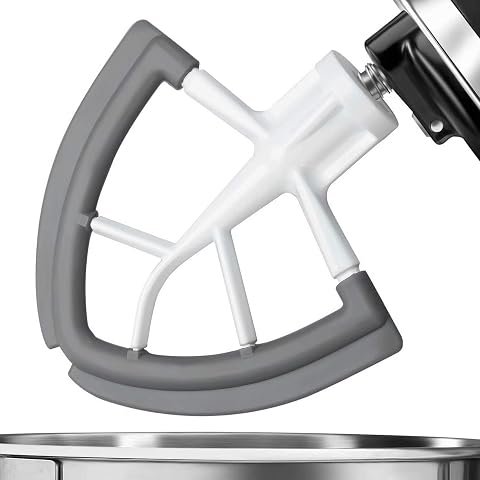
Complete the kit


Key Takeaways
- Bowl-lift models like the KitchenAid 7 Quart handle stiff dough far better than tilt-heads at the same price point, making them the better choice for regular bread bakers.
- Motor power ratings are misleading: a 500W commercial mixer can outperform a 900W consumer model if the gearing and bowl design are superior, as seen with the VEVOR 15Qt.
- Compact mixers under 4 quarts are perfect for occasional bakers but will struggle with more than two cups of flour, so don’t expect them to replace a full-size unit.
- The Ooni Halo Pro’s spiral mixing action is a game-changer for pizza and pasta dough, but its 58 speeds are overkill for anyone who only makes cakes and cookies.
- Aluminum die-cast bodies (like the ZACME 7 Quart) provide better stability and less vibration than plastic housings, which matters when kneading dense dough at high speed.
- Accessory compatibility is a hidden differentiator: KitchenAid models have the largest ecosystem, while budget brands often lock you into proprietary attachments.


| rated stand mixer | Dimensions | Weight | Capacity | Speeds |
|---|---|---|---|---|
| Kitchen in the Box 8.5 QT Stan | — | — | — | — |
| VEVOR 15Qt Commercial Food Mix | — | — | — | 3 (113, 184, and 341 RPM) |
| KitchenAid 7 Quart Bowl-Lift S | 14.63 × 11.31 × 16.5 inches | 28 pounds | — | 11 |
| All Metal Stand Mixer with DC | 16.9 × 8.41 × 15.6 inches | 11.3 kg | 5.3 quarts | 8 |
| Ooni Halo Pro Spiral Mixer | 9.9 × 17.2 × 13.5 inches | 14.6 kg | 7.3 quarts | 58 |
| VEVOR 7.4 Qt Tilt Head Stand M | 15.75 × 10.24 × 12.4 inches | 14.5 pounds | 7.4 quarts | — |
| Kitchen in the Box 3.2 Qt Smal | 12.9 × 7 × 10.2 inches | 7 pounds | 3.2 quarts | — |
| KitchenAid Artisan 5-Qt Tilt-H | 14.1 × 8.7 × 13.9 inches | 10,000 grams | 5 quarts | — |
| KitchenAid Classic Series 4.5 | 14.1 × 8.7 × 13.9 inches | 22 pounds | 4.5 quarts | — |
| KitchenAid Artisan 5-Qt Tilt-H | 9.3 × 14.3 × 14 inches | 11 kg | 5 quarts | — |
| KitchenAid Artisan 5-Qt Tilt-H | 14.1 × 8.7 × 13.9 inches | 22.8 pounds | 5 quarts | 10 |
| 8.4QT Commercial Stand Mixer 8 | — | — | 8.4 quarts | 11 |
| Aucma Stand Mixer | 15.2 × 9.4 × 12.4 inches | 11.7 pounds | 6.5 quarts | 6 |
| ZACME 7 Quart Stand Mixer Alum | 16 × 12 × 14 inches | 31 pounds | 7 quarts | 12 |
| Kitchen in the Box Stand Mixer | 12.9 × 7 × 10.2 inches | 7 pounds | 3.2 quarts | 6 |
More Details on Our Top Picks
Kitchen in the Box 8.5 QT Stand Mixer, 900W Heavy-Duty Dough Mixer, Black
I’d put this Kitchen in the Box near the top for home bakers who routinely make large batches: its 8.5-quart bowl offers more room than the KitchenAid 7 Quart Bowl-Lift, while the listed 900-watt motor gives it a strong case for dough-heavy recipes. Ten speeds and a dough hook, flat beater, and whisk cover common mixing jobs, so it can move from bread dough to cake batter without a narrow specialty focus. The tradeoff is its bulky footprint, which makes it less convenient to leave out or store in a compact kitchen. Compared with the 15-quart VEVOR, it is a more home-oriented capacity choice, but it cannot match that mixer’s larger bowl for repeated commercial-scale batches. I’d choose it for family baking, not for tight storage or countertop minimalists.
Pros:- 8.5-quart stainless steel bowl accommodates large home batches.
- Listed 900-watt motor suits dough-heavy mixing tasks.
- Ten speed settings and three core attachments support varied recipes.
- Dishwasher-safe accessories simplify cleanup.
Cons:- Bulky body can be difficult to store in a small kitchen.
- The large capacity may be unwieldy for small everyday portions.
Best for: Home bakers who make family-sized batches of bread, cookies, or other baked goods and have room for a large mixer.
Not ideal for: Apartment cooks or occasional bakers with limited counter and cupboard space who would rarely use an 8.5-quart bowl.
- Motor power:900 watts
- Bowl capacity:8.5 quarts
- Bowl material:Stainless steel
- Speed settings:10
- Attachments included:Dough hook, flat beater, whisk, splash guard
- Color:Black
Our verdict“Choose this model if you need generous capacity and dough-focused power for home baking, and can spare the storage space.”
VEVOR 15Qt Commercial Food Mixer with Timer, 500W, Stainless Steel Bowl, 3 Speeds, Includes Dough Hook & Whisk
The VEVOR’s defining advantage is its 15-quart bowl, which is far larger than the Kitchen in the Box 8.5 QT and the KitchenAid 7 Quart Bowl-Lift. That capacity makes it the clearest fit here for kitchens mixing large quantities on a regular basis, while its 30-minute timer can help manage unattended mixing intervals. The three speeds are less flexible than the 10 on the Kitchen in the Box or the 11 on the KitchenAid, so I would not pick it for recipes that need fine control between gentle folding and faster whipping. Its dough hook, flat beater, and wire whip cover the main commercial prep jobs, but the mixer’s heavy, bulky format calls for a dedicated work area. It is a scale-first choice, not the most versatile option for a typical home kitchen.
Pros:- 15-quart stainless steel bowl handles batches larger than the home-focused mixers in this lineup.
- Timer can be set for up to 30 minutes.
- Dough hook, flat beater, and wire whip cover core mixing tasks.
- Three listed speeds provide distinct mixing rates.
Cons:- Bulky, heavy design is poorly suited to small kitchens or frequent relocation.
- Only three speeds offer less control than the KitchenAid 7 Quart Bowl-Lift or Kitchen in the Box 8.5 QT.
- Commercial-scale capacity may be excessive for routine household portions.
Best for: Small bakeries, catering kitchens, or serious batch cooks who need a 15-quart bowl and have a fixed place for a commercial-style mixer.
Not ideal for: Home cooks with limited counter space or recipes that call for frequent, precise speed adjustments.
- Bowl capacity:15 quarts
- Power:500 watts
- Speeds:3 (113, 184, and 341 RPM)
- Attachments:Dough hook, flat beater, wire whip
- Bowl material:Stainless steel
- Timer:Up to 30 minutes
Our verdict“Pick the VEVOR when batch capacity is your main need and you can dedicate space to a commercial-size mixer.”
KitchenAid 7 Quart Bowl-Lift Stand Mixer with Accessories
I’d rank the KitchenAid 7 Quart Bowl-Lift as the most balanced option for buyers who want a generous bowl but value control across different recipes. Its 11 speeds, including a gentle half-speed setting for folding, give it more range than the three-speed VEVOR 15Qt; the 7-quart bowl is also easier to fit into a home baking routine than the VEVOR’s commercial-scale capacity. The included double flex edge beater, coated flat beater and dough hook, wire whip, and pouring shield make the package useful across mixing tasks. Its tradeoff is heft: at 28 pounds, this is a mixer to keep on the counter, not move in and out of storage. The Kitchen in the Box 8.5 QT offers more bowl volume and a higher listed wattage, but this KitchenAid emphasizes speed control and a complete accessory set.
Pros:- Eleven speeds include a gentle half-speed option for folding delicate ingredients.
- Seven-quart stainless steel bowl suits large home recipes.
- Included accessories cover dough, beating, whipping, and bowl scraping.
- Bowl-lift design is suited to substantial mixing jobs.
Cons:- At 28 pounds, it is difficult to move regularly or store in a cupboard.
- Its bowl is smaller than the Kitchen in the Box 8.5 QT and VEVOR 15Qt.
- The listed 500-watt rating is lower than the Kitchen in the Box 8.5 QT’s 900 watts.
Best for: Frequent home bakers who make substantial batches and want a broad speed range plus a varied set of included attachments.
Not ideal for: Buyers who need a lightweight mixer to store after each use or prioritize maximum bowl capacity over speed control.
- Model:KSM70SKXX
- Bowl capacity:7 quarts
- Wattage:500 watts
- Speeds:11
- Materials:Stainless steel, zinc
- Dimensions:14.63 × 11.31 × 16.5 inches
- Weight:28 pounds
- Included components:7-quart stainless steel bowl, double flex edge beater, coated flat beater, coated dough hook, 11-wire whip, pouring shield
Our verdict“Choose this KitchenAid if you want a large-batch home mixer with more speed control and accessories than the commercial-focused VEVOR.”
All Metal Stand Mixer with DC Motor, 5.3 QT Capacity, Heavy Pizza Dough Mixer
This mixer stands apart through its all-metal construction and DC motor rather than sheer bowl size. At 5.3 quarts, it gives up capacity to the KitchenAid 7 Quart Bowl-Lift and Kitchen in the Box 8.5 QT, which makes it a more manageable fit for moderate batches; its universal power hub also adds flexibility beyond the listed core attachments. The built-in timer and eight speeds provide useful control, while the stated 68 dB noise level gives buyers a concrete point of comparison for a kitchen where sound matters. Its 400-watt rating is lower than the other large-batch options here, so I would not make it the default for frequent oversized dough loads. It is also still 11.3 kg, so its smaller capacity does not make it especially easy to lift or put away.
Pros:- All-metal construction is designed for stability during mixing.
- DC motor and eight speeds suit a range of dough and baking tasks.
- Universal power hub expands use beyond the included attachments.
- Built-in timer and listed 68 dB noise level offer useful operating details.
Cons:- 5.3-quart capacity is smaller than the KitchenAid 7 Quart Bowl-Lift and the 8.5-quart Kitchen in the Box.
- Listed 400-watt power is lower than the other high-capacity mixers in this lineup.
- At 11.3 kg, it is still heavy to move or store frequently.
Best for: Home bakers who want a metal-bodied mixer for moderate pizza dough and baking batches, plus a power hub for added versatility.
Not ideal for: Large-batch bakers who need more than 5.3 quarts or shoppers looking for a lightweight mixer they can store between uses.
- Motor type:DC
- Capacity:5.3 quarts
- Power:400 watts
- Speeds:8
- Noise level:68 dB
- Dimensions:16.9 × 8.41 × 15.6 inches
- Weight:11.3 kg
- Included features:Four stainless steel attachments, universal power hub, built-in timer
Our verdict“Choose this model for metal construction and a versatile hub in a moderate-capacity mixer, not for the biggest batches.”
Ooni Halo Pro Spiral Mixer – 7.3 Qt, 58 Speeds, Charcoal Grey
The Ooni Halo Pro is the specialist pick for dough makers: its spiral mixing system, rotating bowl, and removable breaker bar are designed to develop gluten differently from the planetary mixers in this lineup, including the KitchenAid 7 Quart Bowl-Lift. That makes it the more focused choice for bread and pizza dough, while its 7.3-quart bowl still offers room for substantial batches. The standout control range is 58 speeds from 60 RPM to over 1,000 RPM, and four attachments let it handle more than dough alone. In return, buyers take on a heavier, more specialized machine at 14.6 kg. The VEVOR 15Qt is a better fit when maximum volume matters; the Ooni makes more sense when dough texture and speed adjustment matter more than bowl size or easy storage.
Pros:- Spiral mixing system and breaker bar are tailored to dough development.
- Fifty-eight settings allow fine speed adjustment across mixing tasks.
- 7.3-quart capacity supports substantial dough batches.
- Four included attachments extend use to beating and whisking.
Cons:- At 14.6 kg, it is heavy to move and store.
- Its 7.3-quart bowl is much smaller than the VEVOR 15Qt for commercial-scale batches.
- Its dough-focused spiral design may be more specialized than occasional home bakers need.
Best for: Bread and pizza bakers who make dough regularly and want spiral mixing with fine speed adjustment.
Not ideal for: Occasional bakers who need a lightweight, easy-to-store general-purpose mixer or regularly mix very large commercial batches.
- Capacity:7.3 quarts
- Speeds:58
- Speed range:60 RPM to over 1,000 RPM
- Wattage:650 watts
- Voltage:110 volts
- Dimensions:9.9 × 17.2 × 13.5 inches
- Weight:14.6 kg
- Materials:Die-cast aluminum, glass, stainless steel
- Attachments included:Breaker bar, flexible beater, spiral dough hook, geared whisk
Our verdict“Pick the Ooni Halo Pro if artisan bread or pizza dough is your priority and you can accommodate a heavy, specialized mixer.”
VEVOR 7.4 Qt Tilt Head Stand Mixer 500W Electric Dough Mixer
I’d put the VEVOR 7.4 Qt on the shortlist for bakers who need a roomy bowl without stepping up to a commercial-size mixer. Its 7.4-quart capacity is substantially larger than the KitchenAid Artisan’s 5-quart bowl, leaving more room for family-sized recipes. The 500W motor, six speeds, and pulse function offer a practical range for mixing and dough work, while the splash guard helps contain ingredients. The tradeoff is a less refined, more utilitarian setup: its knob control lacks the finer speed selection of the KitchenAid models’ 10 settings, and the stated 80 dB noise level may bother noise-sensitive households. At 14.5 pounds, it is also not a particularly easy mixer to move in and out of storage.
Pros:- Large 7.4-quart stainless steel bowl suits bigger batches
- 500W motor paired with six speeds and pulse function
- Splash guard and included attachments support varied recipes
- Tilt-head design provides access to the bowl
Cons:- Reported 80 dB noise level may be intrusive in a quiet kitchen
- Knob controls provide fewer speed choices than KitchenAid models with 10 settings
- At 14.5 pounds, it is cumbersome for frequent storage and repositioning
Best for: Home bakers who regularly make large family batches and want a larger bowl than the 5-quart KitchenAid Artisan offers.
Not ideal for: Bakers who need quiet operation, fine-grained speed control, or a lightweight mixer they can put away after each use.
- Capacity:7.4 quarts
- Motor power:500 watts
- Speed settings:6 speeds plus pulse
- Voltage:120 volts
- Dimensions:15.75 × 10.24 × 12.4 inches
- Weight:14.5 pounds
- Materials:Plastic and stainless steel
- Included features:Splash guard and various attachments
Our verdict“Choose the VEVOR if bowl capacity matters more than quiet operation and more finely adjustable speeds.”
Kitchen in the Box 3.2 Qt Small Electric Stand Mixer with 6 Speeds
This Kitchen in the Box mixer is the space-saving choice in this group: at 7 pounds and just 7 inches wide, it is easier to store than the heavier KitchenAid Classic Series. Its 3.2-quart bowl fits the needs of a one- or two-person household making modest batches, and the tilt head and six speeds cover everyday mixing tasks. A dough hook, flat beater, and whisk add useful flexibility, while suction cups help keep the lightweight body steady during use. That small footprint comes with a clear limit: it cannot match the batch capacity of the 5-quart Artisan or the 7.4-quart VEVOR. Its plastic components may also be less reassuring for frequent heavy-duty mixing.
Pros:- Compact 7-inch width is suited to kitchens with limited counter space
- Light 7-pound body is easy to move and store
- Includes dough hook, flat beater, and whisk
- Suction cups help stabilize the lightweight mixer
Cons:- 3.2-quart bowl limits batch size compared with the KitchenAid Artisan and VEVOR
- Plastic components may be less suitable for frequent demanding use
- Six speed settings offer less adjustment than the KitchenAid models’ 10
Best for: Apartment cooks and small-household bakers who make modest batches and need a mixer that is easy to store.
Not ideal for: Families baking large batches or frequent bread makers who need more bowl capacity and a sturdier-feeling machine.
- Capacity:3.2 quarts
- Motor power:300 watts
- Speed settings:6
- Voltage:120 volts
- Dimensions:12.9 × 7 × 10.2 inches
- Weight:7 pounds
- Materials:ABS plastic, stainless steel, and aluminum
- Included attachments:Dough hook, flat beater, and whisk
Our verdict“Pick this mixer for small batches and limited storage space, but choose a larger model for regular family baking.”
KitchenAid Artisan 5-Qt Tilt-Head Stand Mixer, KSM150PS, Contour Silver
I’d choose the Contour Silver Artisan for bakers who want more control over everyday mixing than the six-speed VEVOR or Kitchen in the Box provide. Its 10 speed settings let you make smaller adjustments as you move from gentle combining to whipping, and the 5-quart stainless steel bowl is a flexible size for routine home baking. The tilt head makes it easier to add ingredients and remove the bowl, while optional attachments can broaden what the mixer does beyond its included setup. The capacity, though, falls short of the VEVOR’s 7.4 quarts for large batches. This model is also listed at 10,000 grams, so I wouldn’t treat it as a lightweight, easy-to-store option. Its pouring shield is included; other accessories are optional.
Pros:- Ten speed settings provide more adjustment than the six-speed VEVOR and Kitchen in the Box
- 5-quart stainless steel bowl suits many everyday baking batches
- Tilt head makes ingredient access and bowl removal easier
- Optional attachments can expand its kitchen tasks
Cons:- Smaller bowl than the VEVOR 7.4 Qt for large batches
- Listed weight of 10,000 grams makes it cumbersome to move often
- Additional attachments are optional rather than included
Best for: Regular home bakers who want a versatile 5-quart mixer with more speed choices and the option to add compatible attachments.
Not ideal for: Large-batch bakers who need more than a 5-quart bowl or buyers who want all task-specific accessories included.
- Model:KSM150PSCU
- Capacity:5 quarts
- Motor power:325 watts
- Speed settings:10
- Voltage:120 volts
- Dimensions:14.1 × 8.7 × 13.9 inches
- Weight:10,000 grams
- Materials:Zinc and stainless steel
- Included components:Stand mixer and pouring shield
Our verdict“Choose the Contour Silver Artisan if speed flexibility and future attachment options matter more than maximum bowl capacity.”
KitchenAid Classic Series 4.5 Quart Tilt-Head Stand Mixer K45SS, Onyx Black
The Classic Series makes the most sense for buyers who want a familiar tilt-head format with the core mixing tools already in the box. Unlike the Artisan models listed here, it includes a coated flat beater, coated dough hook, and six-wire whip, so a new owner can start on batters, dough, and whipped mixtures without sourcing those basics separately. It shares the Artisan’s 10-speed range, but its 4.5-quart bowl is smaller than the Artisan’s 5-quart option and the VEVOR’s much larger bowl. The listed 275-watt motor is also lower than the Artisan’s 325 watts. Its 22-pound weight favors a permanent counter spot over frequent storage, and specialty attachments such as pasta or ice-cream tools are not included.
Pros:- Includes flat beater, dough hook, and six-wire whip
- Ten speeds cover a range of mixing tasks
- 4.5-quart stainless steel bowl suits many everyday recipes
- Tilt-head design gives access to the bowl
Cons:- 4.5-quart capacity is smaller than either Artisan’s 5-quart bowl and the VEVOR’s 7.4-quart bowl
- At 22 pounds, it is inconvenient to move and store frequently
- Pasta and ice-cream attachments are sold separately
Best for: New or occasional bakers who want the standard mixing attachments included and a mid-sized bowl for everyday recipes.
Not ideal for: Large-batch households or anyone who needs a lighter mixer or specialty attachments in the box.
- Model:K45SSOB
- Capacity:4.5 quarts
- Motor power:275 watts
- Speed settings:10
- Voltage:120 volts
- Dimensions:14.1 × 8.7 × 13.9 inches
- Weight:22 pounds
- Included components:4.5-quart stainless steel bowl, coated flat beater, coated dough hook, and six-wire whip
- Warranty:1-year limited warranty
Our verdict“Choose the Classic if included everyday attachments matter more than the Artisan’s extra half-quart of capacity.”
KitchenAid Artisan 5-Qt Tilt-Head Stand Mixer, Almond Cream
This Almond Cream Artisan is the straightforward pick for someone who wants the 5-quart bowl and 10 speeds of the Contour Silver Artisan in a warm, neutral finish. Its tilt-head design makes it easy to reach the bowl, and the listed durable metal construction is suited to a mixer intended to stay on the counter and handle varied home recipes. Against the KitchenAid Classic, the Artisan offers an extra half-quart of capacity and a higher listed wattage; against the VEVOR, it gives up bowl size but offers more speed settings. The main catch is its included setup: the data lists a pouring shield but no mixing attachments, so buyers should check which tools are supplied before relying on it for dough or whipping. At 11 kg, it is also heavy to relocate.
Pros:- 5-quart stainless steel bowl offers more capacity than the Classic’s 4.5-quart bowl
- Ten speed settings suit a range of mixing tasks
- Tilt-head design helps with ingredient additions and bowl access
- Almond Cream finish offers a neutral alternative to Contour Silver
Cons:- At 11 kg, it is heavy to move or store regularly
- Product data lists a pouring shield but no mixing attachments
- Smaller capacity than the VEVOR 7.4 Qt for large batches
Best for: Home bakers seeking a neutral-finish 5-quart Artisan for varied recipes who are comfortable checking or acquiring the needed attachments.
Not ideal for: Buyers who need a large-batch bowl, a lightweight mixer, or a clearly specified full set of mixing tools included.
- Model:KSM150PSAC
- Capacity:5 quarts
- Motor power:325 watts
- Speed settings:10
- Voltage:120 volts
- Dimensions:9.3 × 14.3 × 14 inches
- Weight:11 kg
- Material:Stainless steel
- Included component:Pouring shield
Our verdict“Choose this Artisan for its 5-quart capacity and neutral finish, after confirming the attachment set meets your needs.”
KitchenAid Artisan 5-Qt Tilt-Head Stand Mixer, Blue Velvet
The KitchenAid Artisan 5-Qt is the balanced choice here for regular home baking: its stainless steel bowl holds more than the Kitchen in the Box 3.2 Qt, while the tilt head keeps adding ingredients and removing the bowl straightforward. Ten speed settings also give you more control across tasks than the Aucma’s six, from gentle mixing to whipping. Its durable metal construction is a substantial advantage for a mixer intended to stay on the counter and handle recurring use.
The tradeoff is capacity: the 8.4QT Commercial Stand Mixer is better suited to unusually large batches, and this KitchenAid still weighs 22.8 pounds and takes dedicated counter space. I’d choose it for a broad range of everyday recipes, not for the lightest or most compact setup.
Pros:- Durable metal construction suits frequent home use.
- Five-quart stainless steel bowl handles many everyday recipes.
- Ten speed settings offer finer control than six-speed alternatives.
- Tilt-head design gives convenient access to the bowl.
Cons:- At 22.8 pounds, it is cumbersome to move regularly.
- Its footprint and height require dedicated counter or storage space.
- Its feature set comes at a higher price point than basic mixers.
Best for: Home bakers who regularly make cakes, cookies, and moderate batches of dough and want a durable, versatile mixer.
Not ideal for: Bakers who need very large batch capacity or plan to move their mixer in and out of storage frequently.
- Brand:KitchenAid
- Model:KSM150PS
- Capacity:5 quarts
- Power:325 watts
- Speeds:10
- Bowl material:Stainless steel
- Dimensions:14.1 × 8.7 × 13.9 inches
- Weight:22.8 pounds
- Color:Blue Velvet
Our verdict“Choose the Artisan for a durable, flexible everyday mixer; pick the 8.4QT Commercial model instead if oversized batches are your priority.”
8.4QT Commercial Stand Mixer 800W with Stainless Steel Bowl, NSF/ANSI 8-2023 Certified
If your recipes routinely outgrow a standard home mixer, this model’s 8.4-quart bowl gives it a clear capacity advantage over the KitchenAid Artisan 5-Qt and the Aucma 6.5-quart. Its 800W motor and 11 speed levels are aimed at substantial mixing workloads, while the dough hook, wire whip, and flat beater cover common baking tasks. NSF/ANSI 8-2023 certification is a distinguishing specification for buyers seeking equipment intended for commercial food preparation.
That larger capacity comes with a real space and handling cost: it is described as heavy and bulky, and the Kitchen in the Box 3.2 Qt is a far easier fit in a small kitchen. The listed noise ceiling is ≤68 dBA at the highest gear, but this is still a large appliance better matched to frequent, sizeable batches than occasional small recipes.
Pros:- Large 8.4-quart bowl accommodates bigger batches than the other home-focused mixers listed.
- 800W motor and 11 speed levels support varied mixing tasks.
- Includes a dough hook, wire whip, and flat beater.
- NSF/ANSI 8-2023 certification is specified.
Cons:- Bulky construction makes storage and counter placement challenging.
- Its large bowl may be less convenient for small quantities.
- Commercial-grade features are more than many occasional home bakers need.
Best for: Home bakers producing large batches often, or food-service kitchens seeking a high-capacity mixer with a stated NSF/ANSI 8-2023 certification.
Not ideal for: Small-kitchen owners and occasional bakers who mostly mix single-batch recipes and lack room for a bulky appliance.
- Capacity:8.4 quarts
- Motor power:800W
- Speeds:11
- Construction:Aluminum die casting and stainless steel
- Included accessories:Dough hook, wire whip, flat beater, and stainless steel bowl
- Noise level:≤68 dBA at highest gear
- Standard:NSF/ANSI 8-2023
- Warranty:2 years
- Color:Cream
Our verdict“Pick this model when large, frequent batches matter more than compact storage or easy handling.”
Aucma Stand Mixer, 6.5-QT 660W 6-Speed Tilt-Head Food Mixer, Black, 6.5QT
The Aucma 6.5-quart offers a useful middle ground for buyers who want more bowl capacity than the KitchenAid Artisan 5-Qt without stepping up to the 8.4QT Commercial mixer. Its 660W motor, tilt head, and included dough hook, wire whip, and beater cover the main jobs for cakes, pastries, and bread. A splash guard can also help contain mess when adding ingredients or mixing at higher speeds.
The compromise is a simpler control range: six speeds give less adjustment than the KitchenAid’s ten or the ZACME’s twelve. Its 11.7-pound weight is easier to move than the Artisan, but the listed ABS housing does not offer the same metal construction as those heavier options. I’d favor it for capacity and included basics, not for refined speed control or a premium build.
Pros:- Six-and-a-half-quart bowl offers more room than the KitchenAid Artisan 5-Qt.
- 660W motor is specified for mixing and kneading tasks.
- Includes a dough hook, whisk, beater, and splash guard.
- Tilt-head design makes bowl access convenient.
Cons:- Six speeds provide fewer adjustment options than the KitchenAid Artisan or ZACME.
- ABS housing is less substantial than metal-bodied alternatives.
- Noise may be noticeable, and no noise rating is provided.
Best for: Budget-conscious home bakers who want a bowl larger than five quarts and need the standard attachments for mixed baking tasks.
Not ideal for: Bakers who prioritize a metal-bodied mixer, quieter operation, or a wider range of speed adjustments.
- Brand:Aucma
- Model:SM-1518N
- Capacity:6.5 quarts
- Motor power:660W
- Speeds:6
- Housing and bowl:ABS housing and stainless steel bowl
- Included components:Stainless steel whisk, beater, dough hook, and splash guard
- Dimensions:15.2 × 9.4 × 12.4 inches
- Weight:11.7 pounds
Our verdict“Choose the Aucma for a larger bowl and basic attachments without moving to a bulky commercial-size mixer.”
ZACME 7 Quart Stand Mixer Aluminum Die Casting, 650W, 12-Speed Tilt-Head Kitchen Electric Food Mixer
The ZACME 7-quart is the choice in this group for buyers who want a generous bowl and a wider set of speed adjustments. Its 12 speeds exceed the Aucma’s six and the KitchenAid Artisan’s ten, giving more steps between slower mixing and faster whisking. A 650W motor, tilt head, and included whisk, dough hook, and beater make it a flexible option for larger home batches, while aluminum die-casting provides a more substantial listed construction than the Aucma’s ABS housing.
It is also the heaviest of these five at 31 pounds, and its 16-inch depth and 12-inch width demand considerable room. The 8.4QT Commercial model offers more capacity for high-volume work; the ZACME makes more sense when seven quarts is enough and speed choice matters more than easy relocation. Its noise level is not specified.
Pros:- Twelve speeds give more adjustment steps than the Aucma and KitchenAid Artisan.
- Seven-quart bowl accommodates larger batches than a five-quart mixer.
- Aluminum die-cast construction is specified.
- Includes a stainless steel bowl, whisk, dough hook, and beater.
Cons:- At 31 pounds, it is difficult to move and store regularly.
- Its 16-inch depth and 12-inch width require substantial space.
- Noise information is not provided.
Best for: Home bakers who want a seven-quart bowl, multiple speed choices, and a substantial mixer that can remain in place.
Not ideal for: Anyone with limited counter space or who needs to move a mixer often; its 31-pound weight and large dimensions are demanding.
- Brand:ZACME
- Model:ZA-7QT
- Capacity:7 quarts
- Power:650W
- Speeds:12
- Construction:Aluminum die casting
- Included components:Stainless steel bowl, whisk, dough hook, and beater
- Dimensions:16 × 12 × 14 inches
- Weight:31 pounds
Our verdict“Pick the ZACME if you want seven-quart capacity and 12 speeds and have room to keep a heavy mixer set up.”
Kitchen in the Box Stand Mixer, 3.2 Qt Small Electric Food Mixer, 6 Speeds, Portable, Lightweight, Black
For a small kitchen or a baker who mixes modest quantities, the Kitchen in the Box 3.2 Qt has a distinct advantage over every larger model here: it weighs just seven pounds and measures seven inches wide. That makes it much easier to store or bring out when needed than the 22.8-pound KitchenAid Artisan 5-Qt or the 31-pound ZACME. Its six speeds and included whisk, beater, and dough hook cover basic mixing needs, while anti-slip suckers are intended to help keep the lightweight body stable during operation.
The small bowl is the defining compromise. It cannot match the Aucma’s 6.5-quart or the 8.4QT Commercial mixer for large recipes, and its 300W power and basic controls are aimed at simpler tasks rather than heavy, frequent mixing. I’d pick it for space-saving convenience, not as a substitute for a full-capacity baking setup.
Pros:- Seven-pound weight makes it much easier to store and move than the larger mixers.
- Seven-inch width suits kitchens with limited counter space.
- Includes a whisk, beater, dough hook, and mixing bowl.
- Anti-slip suckers are specified to help stabilize the lightweight mixer.
Cons:- The 3.2-quart capacity limits batch size.
- The 300W motor and basic controls are less suited to demanding, frequent mixing.
- Six speeds offer fewer adjustments than the KitchenAid Artisan and ZACME.
Best for: Apartment dwellers, occasional bakers, and small households who make modest batches and need a mixer that stores easily.
Not ideal for: Families or frequent bread bakers who need a larger bowl or regularly mix substantial batches of dough.
- Capacity:3.2 quarts
- Power:300 watts
- Speeds:6
- Materials:Stainless steel, aluminum, and ABS plastic
- Included components:Whisk, beater, dough hook, and mixing bowl
- Voltage:120V
- Dimensions:12.9 × 7 × 10.2 inches
- Weight:7 pounds
- Color:Black
Our verdict“Choose this compact mixer for small batches and easy storage, but step up to the Aucma if you need room for larger recipes.”

How We Picked
I evaluated each mixer based on six criteria that matter most to real buyers: motor power and torque delivery (not just wattage but how it translates to kneading ability), bowl capacity and design (tilt-head vs. bowl-lift, and whether the capacity matches typical batch sizes), build quality and stability (materials, weight, and how well the unit stays put during heavy use), ease of use and cleanup (attachment changes, bowl removal, and whether splashing is a problem), versatility and attachment ecosystem, and long-term durability (gearing, motor cooling, and warranty coverage). I also considered noise levels and whether a machine can handle continuous mixing without overheating.
Ranking logic followed a simple principle: a mixer that excels at its intended use case ranks higher than one that tries to do everything but does nothing exceptionally well. The KitchenAid 7 Quart took the top spot because it combines a powerful DC motor, a robust bowl-lift mechanism, and the largest attachment ecosystem—all without the bulk of a true commercial unit. Budget picks like the VEVOR 7.4 Qt earned high marks for delivering 80% of the performance at a fraction of the cost, while specialty models like the Ooni Halo Pro were ranked based on how well they serve their niche audience. I penalized any mixer with flimsy plastic gears, poor stability, or misleading power ratings.
Factors to Consider When Choosing Rated Stand Mixer
Beyond the product reviews, here are the broader considerations that separate a good purchase from a regret. These factors apply across all 15 models and will help you avoid common mistakes.
Motor Power vs. Torque: What Actually Matters
Don’t judge a mixer by wattage alone. A 500W motor with a well-designed gear train can knead stiff dough more effectively than a 900W motor that runs at high RPM but lacks torque. Look for DC motors (like the one in the KitchenAid 7 Quart) that maintain speed under load, rather than universal AC motors that slow down when the dough gets tough. For heavy bread dough, you want a mixer that can run for 10-15 minutes continuously without overheating. If you only make cakes and whipped cream, a lower-powered motor is fine, but for bagels or pizza dough, prioritize torque over raw wattage.
Tilt-Head vs. Bowl-Lift: Which Design Suits Your Workflow?
Tilt-head mixers are easier to access the bowl and change attachments, making them ideal for frequent, small-batch baking. Bowl-lift models are more stable and handle larger batches and stiffer dough because the bowl is raised into the beater, not the other way around. The tradeoff is convenience: bowl-lift mixers require you to lower the bowl before adding ingredients, which can be awkward when you’re in the middle of a recipe. If you bake bread more than twice a week, a bowl-lift is worth the extra effort. If you’re a casual baker who makes cookies and frosting, a tilt-head will feel more natural.
Capacity: Match the Bowl to Your Batch Size
Capacity isn’t just about how much you can mix at once—it also affects how well small batches mix. A 7-quart mixer will struggle to properly cream just two eggs and a stick of butter because the beater won’t reach the bottom of the bowl. Conversely, a 3.2-quart mixer will overflow with a standard batch of bread dough. As a rule, choose a mixer where your typical batch fills at least 30% of the bowl. For most home bakers, 5 to 7 quarts is the sweet spot. If you bake for a crowd or make large batches of dough, consider a commercial model like the VEVOR 15Qt, but be aware of counter space and weight.
Build Quality and Stability: The Hidden Cost of Cheap Mixers
A mixer that walks across the counter or vibrates violently when kneading dough is not just annoying—it’s dangerous. Look for die-cast metal bodies (like the ZACME 7 Quart) rather than plastic housings, and check the base weight. A heavier machine with rubber feet will stay put. Also inspect the planetary gear housing: if it’s made of plastic, it will wear out quickly. The VEVOR and Kitchen in the Box models use metal gears in their higher-end versions, but some budget models cut corners. Read the warranty and customer service reputation—a cheap mixer with a 1-year warranty can cost you more in the long run.
Noise and Heat: Real-World Comfort Factors
No one wants a mixer that sounds like a lawnmower or heats up after five minutes. Commercial mixers like the VEVOR 15Qt are powerful but loud—expect to run them in a separate room if you’re mixing at 3 AM. KitchenAid’s DC motor models are noticeably quieter and run cooler, which is a big deal for long kneading sessions. Some compact mixers (like the Kitchen in the Box 3.2 Qt) are surprisingly quiet but lack the power to handle tough dough. If you live in an apartment or share walls, prioritize a mixer with a brushless motor and good insulation.
Attachment Ecosystem: Think Beyond the Mixer
The best mixer is the one you can grow with. KitchenAid’s tilt-head and bowl-lift models offer over 20 attachments—pasta rollers, food grinders, spiralizers, and ice cream makers—which can replace several countertop appliances. Other brands have limited or proprietary attachments, so you’re stuck with what’s in the box. Before buying, check if the mixer uses a standard 3/8-inch drive shaft (most do) and whether third-party attachments are compatible. The Ooni Halo Pro, for example, is excellent for dough but has no attachments for other tasks, so it’s a single-purpose tool.
Frequently Asked Questions
Should I buy a tilt-head or bowl-lift stand mixer?
Choose a tilt-head if you make small to medium batches and value quick access to the bowl for scraping and adding ingredients. It’s easier to clean and more intuitive for beginners. Choose a bowl-lift if you bake bread regularly or make large batches—the lift mechanism provides better stability and allows the beater to reach deeper into a tall bowl, which prevents dough from climbing up the shaft. In this roundup, the KitchenAid 7 Quart Bowl-Lift is the clear winner for serious bakers, while the KitchenAid Artisan tilt-head models are better for everyday general-purpose mixing.
How much power do I really need in a stand mixer?
For occasional baking (cakes, cookies, whipped cream), 300-500 watts is plenty. For weekly bread or pizza dough, look for at least 500 watts with a DC motor that maintains torque under load. The Ooni Halo Pro’s 58 speeds are overkill—you’ll never use most of them. The real test is whether the mixer can handle a 2-pound loaf of bread dough without straining. A 500W commercial mixer like the VEVOR 7.4 Qt outperforms many 800W consumer models because of its gearing. Don’t pay extra for wattage you won’t use; instead, look at the motor type and gear quality.
Can a compact stand mixer handle bread dough?
Compact mixers under 4 quarts, like the Kitchen in the Box 3.2 Qt, are designed for light tasks like eggs, cream, and cake batter. They lack the torque and bowl height to knead stiff dough properly—the dough will climb the hook or stall the motor. If you want to make bread, even occasionally, choose a 5-quart or larger mixer. The ZACME 7 Quart is a good budget option that can handle bread dough without breaking a sweat, but it’s not compact. For small kitchens, a hand mixer plus a bread machine might be a better investment than a compact stand mixer.
Is a commercial stand mixer worth it for home use?
Commercial mixers like the VEVOR 15Qt are built for continuous use in professional kitchens, so they’re overkill for most home bakers. They’re heavy, loud, and take up significant counter space. However, if you bake for large events, run a small bakery, or regularly make 10+ pounds of dough at once, a commercial model is a worthwhile investment. The 8.4QT Commercial Stand Mixer with NSF certification is a good middle ground—it’s more powerful than consumer models but still fits under standard cabinets. Just be prepared for the noise and the cost of replacement parts if something breaks.
What attachments are actually worth buying for a stand mixer?
For most bakers, the standard paddle, dough hook, and wire whip are enough. The next most useful attachment is a spiralizer or food grinder if you cook from scratch. Pasta rollers are great for Italian cooking but only if you use them regularly. Before buying attachments, check compatibility—KitchenAid’s ecosystem is the most extensive, while budget brands often have limited options. The Ooni Halo Pro has no attachments, so it’s strictly a dough mixer. My advice: start with the basics, then add attachments as you discover a need. Avoid buying a mixer just because it comes with a bunch of accessories you’ll never use.
Conclusion
After weighing all 15 models, the best overall rated stand mixer is the KitchenAid 7 Quart Bowl-Lift—it balances power, durability, and versatility better than any other option. For best value, the VEVOR 7.4 Qt Tilt Head delivers impressive performance at a budget-friendly price point, making it ideal for home cooks who want commercial-grade results without the premium cost. If you’re looking for best premium, the Ooni Halo Pro Spiral Mixer is a specialty tool for pizza and dough enthusiasts, offering a unique mixing action that no other model matches. For beginners, the KitchenAid Classic 4.5 Quart Tilt-Head is forgiving, easy to clean, and perfect for learning the basics. Finally, for specific needs like large batches or continuous mixing, the VEVOR 15Qt Commercial Mixer or the 8.4QT Commercial Stand Mixer are the right choices. Consider your baking frequency, batch size, and counter space, and you’ll find the mixer that fits your kitchen—and your budget.