
TL;DR
Open a free Amazon Business account
Business pricing, bulk buying and tax-exempt orders.
As an affiliate, we earn on qualifying purchases.
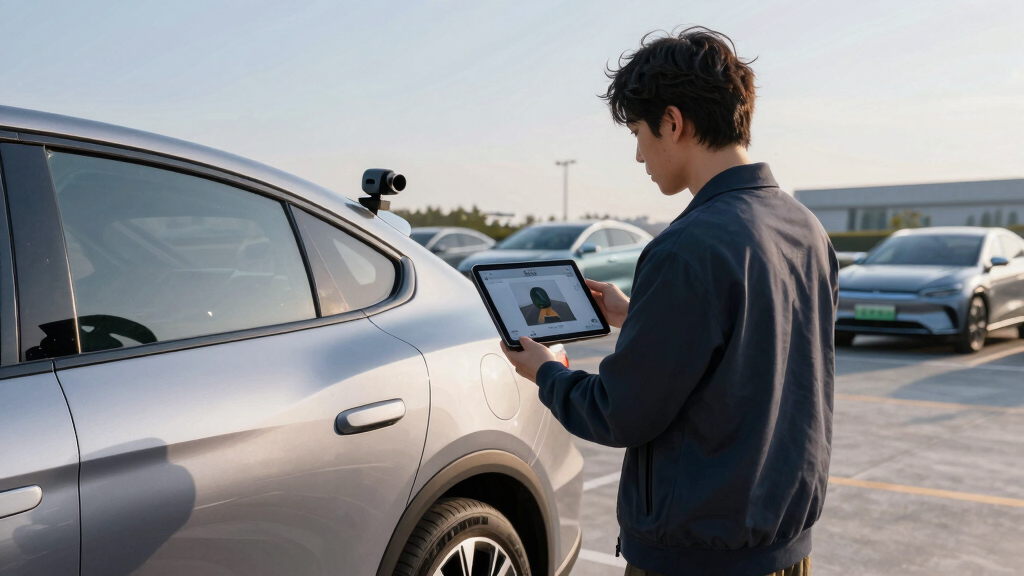
BYD has announced a full damage guarantee for city driving using its LiDAR-equipped God’s Eye system, leading to a surge in usage and enhanced safety. The company now assumes responsibility for accidents, potentially lowering insurance costs and increasing vehicle safety.
BYD has announced a full damage guarantee for city driving on vehicles equipped with its LiDAR-based God’s Eye system, marking a significant shift in responsibility and safety measures. This move has led to a sharp increase in system usage, with city driving rates soaring by 50%, and underscores BYD’s commitment to making its autonomous features safer and more reliable.
Last month, BYD declared it would fully cover damages resulting from city driving accidents involving its LiDAR-equipped vehicles with the latest 5.0 software or OTA updates. This guarantee applies to the urban NOA (Navigate on Autopilot) feature, which previously saw usage increase from 21% to 93% after similar guarantees were announced. The company reports that over 3 million vehicles are now equipped with God’s Eye, with a current usage rate of 50.91%, primarily on highways and for parking. Following the city driving guarantee, city usage surged by 50%, indicating a shift toward autonomous city navigation.
BYD’s decision to assume full liability for accidents during city driving is a departure from typical insurance models, which usually cover damages but do not hold manufacturers responsible. Instead, BYD offers its own insurance, which it underwrites, and has reported a 112.56% increase in insurance revenue in 2025, with a significant reduction in premiums from around 4,900 RMB to 3,800 RMB per vehicle. The company’s direct sales model and telemetry data collection enable lower costs and improved risk assessment, contributing to safety and cost reductions. Data shows serious accidents involving God’s Eye are now one-sixth as frequent as those in human-driven vehicles, with minor parking accidents reduced to one-fifteenth, surpassing human safety levels.
Implications for Vehicle Safety and Insurance Costs
BYD’s move to fully guarantee damages and assume responsibility for city driving accidents signifies a major shift in autonomous vehicle safety and liability. This approach incentivizes increased usage of God’s Eye, which has already demonstrated safety benefits by reducing accident severity and frequency. Lower insurance premiums and integrated risk management could make BYD vehicles more attractive to consumers, potentially setting new industry standards for responsibility and safety in autonomous driving. The increased safety and data collection may also accelerate technological improvements, further enhancing vehicle safety and reducing costs.
LiDAR autonomous vehicle safety system
As an affiliate, we earn on qualifying purchases.
As an affiliate, we earn on qualifying purchases.
BYD’s Autonomous Driving and Insurance Strategy Development
BYD has been actively enhancing its autonomous driving capabilities through the development and deployment of its LiDAR-based God’s Eye system. Since its initial release, over 3 million vehicles have been equipped, with usage rates steadily increasing. In 2023, BYD acquired Yi’an Property Insurance, rebranded as BYD Insurance, and began offering its own insurance policies, leveraging telematics and big data to reduce premiums and improve safety. The company’s approach integrates vehicle safety, insurance, and liability management, with a focus on reducing accident costs and improving safety metrics, as evidenced by recent data showing significant reductions in accident severity.
Previously, BYD’s safety improvements and insurance offerings have been linked to their technological advancements, with the recent guarantee announcement representing a strategic step to further build trust and usage of autonomous features, especially in urban environments where traffic conditions are complex.
“Serious accidents involving God’s Eye are now one-sixth the frequency of human-driven vehicles, and parking accidents are reduced to one-fifteenth, surpassing human safety.”
— Yang Dongsheng, Senior Vice President of BYD
Unanswered Questions About Liability and Long-term Impact
It remains unclear how insurance claims and liability will be managed in practice over the long term, especially in complex accident scenarios. The extent of safety improvements and whether they will be consistent across all vehicle models and driving conditions also require further observation. Additionally, the broader industry response and regulatory implications are still developing, and it is uncertain how competitors will react to BYD’s approach.
Next Steps for Adoption and Safety Monitoring
BYD is expected to continue increasing the adoption of God’s Eye with the city driving guarantee, gathering more data to refine its autonomous systems. Monitoring accident rates, insurance claims, and user feedback will be critical for assessing the effectiveness of the liability shift. Regulatory bodies may also scrutinize the model, potentially influencing industry standards. Consumers can anticipate further improvements in safety and reductions in insurance premiums as the system matures and usage expands.
Key Questions
How does BYD’s damage guarantee differ from traditional insurance?
BYD fully covers damages resulting from city driving accidents on vehicles equipped with God’s Eye, assuming liability directly, rather than relying solely on third-party insurance claims. The company also offers its own insurance policies, which it underwrites, and leverages telematics data to reduce premiums and improve safety.
Will this move lower insurance costs for consumers?
Yes, BYD reports that premiums have decreased significantly, partly due to safety improvements and efficient risk management. As usage of God’s Eye increases and data improves, further premium reductions are expected.
What safety benefits have been observed with God’s Eye?
Data indicates serious accidents involving God’s Eye-equipped vehicles are now one-sixth as frequent as in human-driven vehicles, and parking-related minor accidents are reduced to one-fifteenth, surpassing human safety levels.
What challenges or risks remain with this approach?
Long-term liability management, accident scenario complexity, and regulatory acceptance are still uncertain. How the system performs in diverse urban conditions and how claims are handled in practice remain to be seen.
Source: CleanTechnica
Flea & tick season Picks
flea and tick prevention
As an affiliate, we earn on qualifying purchases.