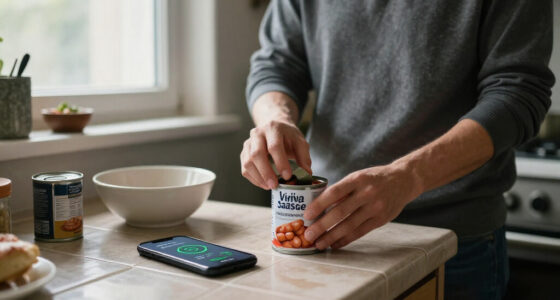
Overnight oats taste better the next day because soaking allows liquids to hydrate the oats fully, softening their texture and enhancing flavor. Enzymes break down complex carbs and proteins, releasing natural sugars and amino acids that boost sweetness and richness. Cold temperatures and proper moisture help develop subtle flavors and preserve freshness. Longer soak times boost nutrient absorption and improve consistency. If you keep exploring, you’ll discover even more science behind making your oats more delicious.

Get kitchen staples and gadgets delivered free with Prime
- Fast, free delivery on millions of items
- Prime Video, Amazon Music and more included
- Member-only deals all year
Key Takeaways
- Extended soaking allows enzymes to break down complex carbs and proteins, enhancing flavor and digestibility.
- Longer soak time promotes fermentation, producing natural acids and alcohols that deepen flavor and sweetness.
- Moisture absorption softens oats, creating a creamier texture and more uniform flavor distribution.
- Cold temperatures during soaking inhibit bacteria, preserving freshness and preventing spoilage, which improves taste over time.
- Flavor compounds develop and meld during extended soaking, resulting in a richer, more complex taste the next day.
How Soaking Turns Oats Into a Creamy, Tasty Breakfast
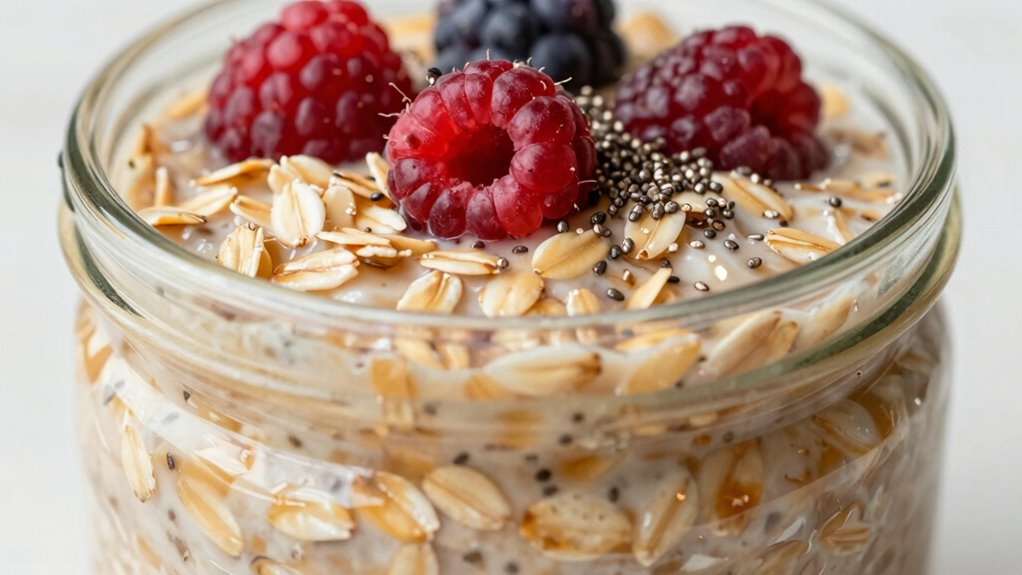
Soaking oats overnight allows them to absorb liquid, transforming their texture from chewy to creamy. This process markedly boosts flavor development, as the oats soak up the liquid and any added ingredients like milk or sweeteners, allowing their natural taste to deepen. The extended soak also enhances texture, making the oats soft and smooth rather than tough or gritty. As the oats absorb moisture, they become more palatable and easier to digest, creating a more enjoyable breakfast experience. The creamy consistency is key to making overnight oats taste better, as it invites you to savor every spoonful. By soaking overnight, you reveal a richer flavor profile and a more satisfying texture, setting the stage for a delicious start to your day. Detecting passive voice can help improve clarity and engagement in your writing.
How Enzymes Help Make Your Overnight Oats More Flavorful

Enzymes play a vital role in enhancing the flavor of your overnight oats by breaking down complex carbohydrates and proteins into simpler, more aromatic compounds. This process, known as enzyme activity, triggers flavor development, making your oats taste richer and more nuanced the next day. As enzymes act during soaking, they release natural sugars and amino acids that contribute to a sweeter, more satisfying flavor profile. These biochemical reactions also reduce bitterness and undesirable raw tastes, resulting in a smoother, more balanced flavor. The longer the oats soak, the more these enzymes work, intensifying flavor development. Understanding how enzymes facilitate this transformation can help you optimize soaking times to enjoy oats that are not only creamy but also more flavorful and aromatic. Additionally, enzymes are a key factor in the Gold IRA Markets, influencing the overall quality and benefits of the investment options available. Proper soaking conditions, such as temperature and pH, can further enhance enzyme activity and improve flavor extraction. Recognizing the importance of enzyme function can lead to better control over the flavor profile of your overnight oats. Interestingly, enzymes are widely used in food processing to improve texture and taste, highlighting their significance beyond just natural reactions. Moreover, maintaining optimal enzyme activity can significantly improve the nutritional benefits of your soaked oats by aiding in nutrient bioavailability.
How Moisture and Cold Temperatures Improve Texture and Flavor
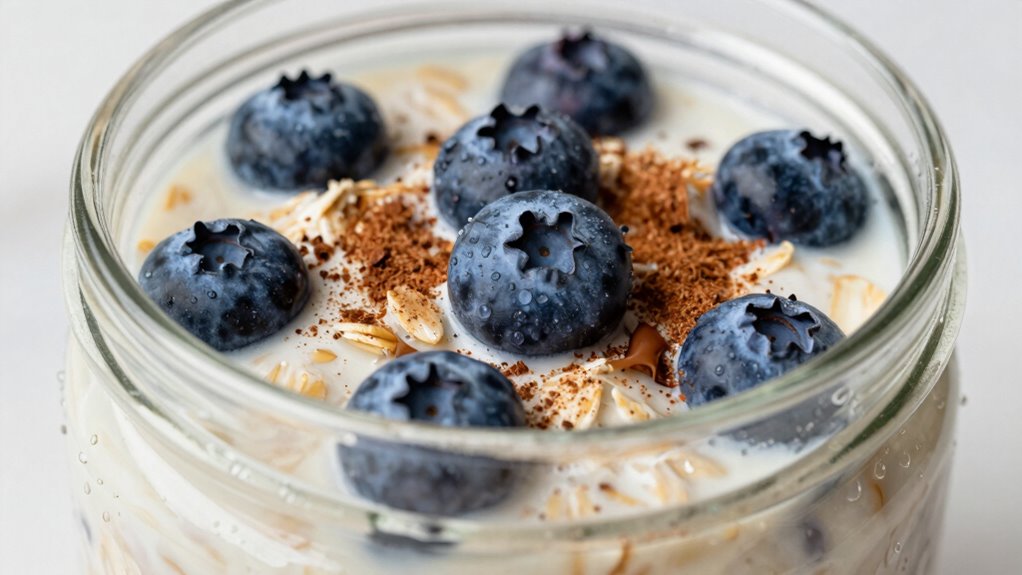
Moisture and cold temperatures work together to enhance the texture and flavor of your overnight oats by slowing down spoilage and encouraging the development of a creamier, more cohesive dish. The hydration benefits of added moisture help ingredients meld smoothly, creating a richer mouthfeel. Cold temperatures also suppress bacteria growth, preserving freshness and flavor. As the oats sit, moisture aids in dissolving flavors and enabling subtle taste improvements. The cooler environment enhances flavor enhancement, making each bite more delicious. Use the table below to see how moisture and temperature influence your oats:
| Effect | Benefit |
|---|---|
| Hydration benefits | Improves creaminess |
| Cold temperature | Preserves freshness |
| Moisture absorption | Enhances flavor integration |
| Slows spoilage | Extends shelf life |
| Flavor enhancement | Boosts taste complexity |
Additionally, maintaining optimal moisture levels can influence the texture of your oats, making them more enjoyable to eat. Proper control of food preservation techniques is essential to maximize flavor and freshness over time. Incorporating temperature regulation can further prevent spoilage and maintain optimal quality for longer periods. Understanding how moisture management impacts food quality can help you perfect your overnight oats every time.
Why Soaking Longer Boosts Nutrient Absorption and Better Taste
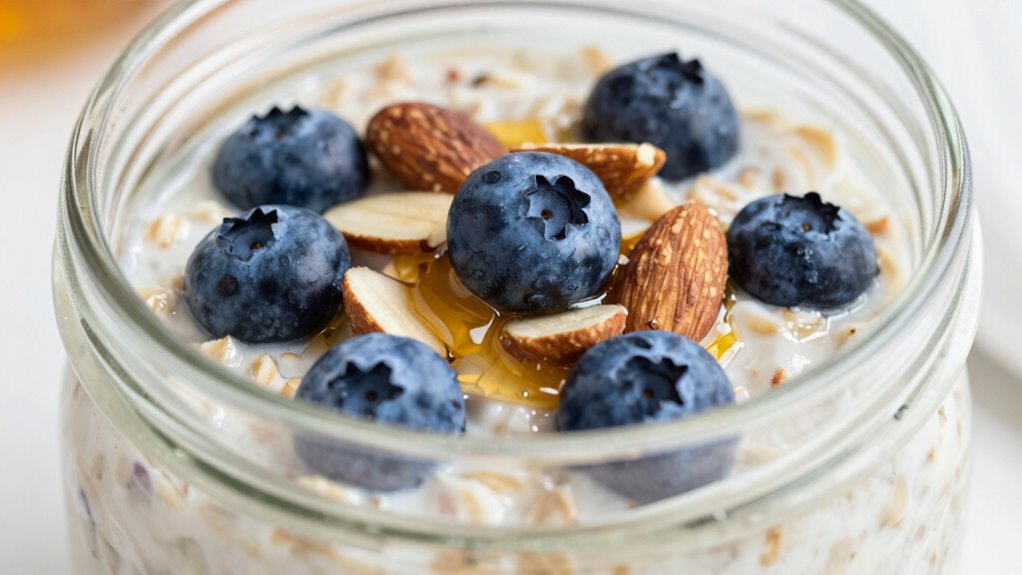
When you let your oats sit longer, they absorb more nutrients from the liquid, resulting in a richer flavor and increased health benefits. This extended soaking enhances nutrient absorption, allowing your body to access vitamins, minerals, and enzymes more effectively. As the oats soak, they break down complex compounds, making nutrients more bioavailable. Additionally, longer soaking promotes flavor development; the oats become creamier and more flavorful as they absorb the liquid and release subtle tastes. The process also softens the oats, improving texture and making each bite more enjoyable. Proper soaking also enhances the texture, making the oats more palatable and easier to digest. The longer soaking time also allows for fermentation, which can further improve digestibility and introduce beneficial probiotics. Incorporating soaking time into your routine can significantly boost the overall quality of your overnight oats. For example, nutrient bioavailability increases as the oats break down, making it easier for your body to utilize the nutrients. By giving your oats extra time, you not only boost their nutritional profile but also create a tastier, more satisfying meal that tastes better the next day.
The Science of Sweetness: How Caramelization and Fermentation Enhance Flavor

As your oats soak and develop richer flavors, two natural processes further enhance their sweetness: caramelization and fermentation. Caramelization reactions occur when sugars are exposed to heat or prolonged exposure to moisture, breaking down into complex compounds that add depth and a caramel-like richness to your oats. Although less obvious in cold soakings, minor caramelization can happen over time, subtly boosting sweetness. Fermentation processes involve beneficial bacteria breaking down sugars into organic acids and alcohols, which intensify flavor and create a natural sweetness. As fermentation progresses during soaking, it enhances the overall taste, making your oats more flavorful and satisfying. These processes work together, transforming simple ingredients into a richer, sweeter dish without added sugars.
Common Mistakes That Dull the Flavor of Your Overnight Oats: And How to Fix Them
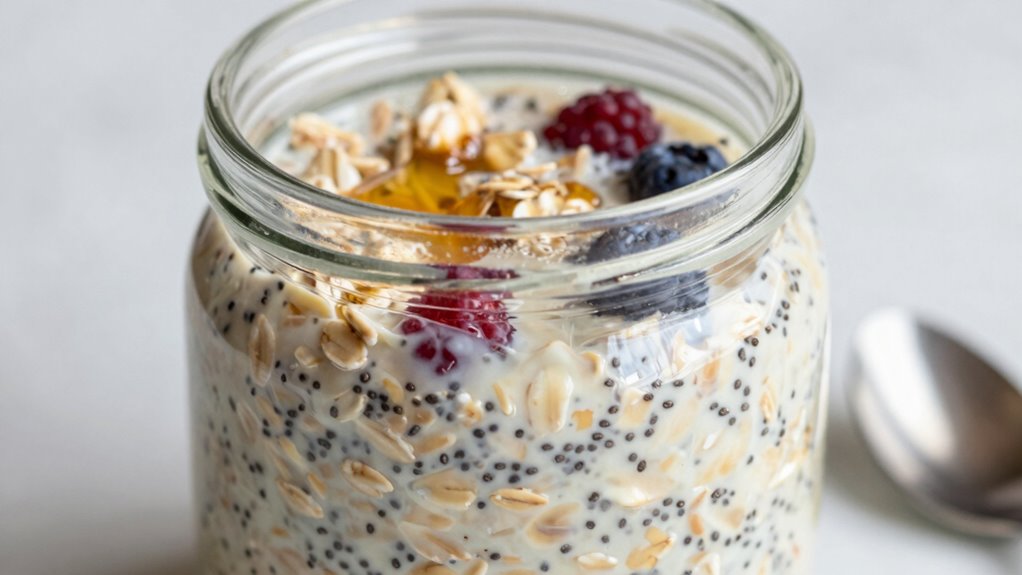
One common mistake that dulls the flavor of your overnight oats is using dull or flavorless ingredients, which can make the final dish taste flat and unappealing. To boost flavor enhancement, choose rich, ripe fruits, fragrant spices, and high-quality dairy or plant-based milks. Avoid bland oats or generic toppings that lack personality. Additionally, neglecting texture improvement can leave your oats boring; adding crunchy nuts, seeds, or a drizzle of honey creates contrast and makes each bite more enjoyable. Properly balancing ingredients guarantees your oats aren’t just bland fuel but a flavorful, satisfying meal. By selecting vibrant ingredients and incorporating textural elements, you’ll elevate the overall taste and make your overnight oats more delicious and appealing.
Tips for Perfect Overnight Oats Based on Food Science

Optimizing the texture and flavor of your overnight oats involves understanding how food science influences the process. To improve oat texture, use the right liquid-to-oats ratio—more liquid creates creamier oats, while less results in chewier oats. Incorporating ingredients like yogurt or milk can also enhance creaminess and flavor. To maximize flavor enhancement, layer in natural sweeteners like honey or maple syrup and add spices such as cinnamon or vanilla. Stirring the mixture well ensures even absorption, preventing dry spots and uneven flavor. Letting the oats soak overnight allows starches to hydrate fully, softening the oats and intensifying taste. Additionally, understanding how food preservation techniques influence freshness can help maintain optimal flavor over time. Proper storage methods can slow down spoilage and preserve the oats’ freshness for longer periods. Using airtight containers can also help prevent oxidation, which can degrade flavor and nutritional quality. Knowing how leaving oats in liquid impacts their texture helps in achieving the preferred consistency. By applying these science-backed tips, you’ll achieve a balanced, delicious bowl with the perfect oat texture and enhanced flavor.
How to Customize Your Overnight Oats for Better Taste and Nutrition
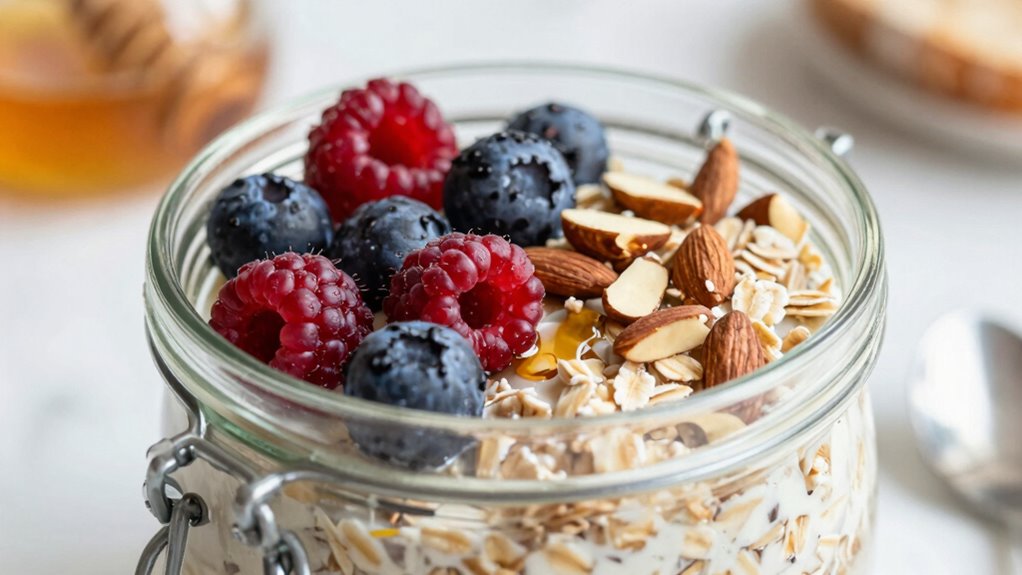
You can make your overnight oats more delicious and nutritious by adding your favorite toppings, like fresh fruit, nuts, or seeds. Incorporating nutrient-rich add-ins such as chia seeds or protein powder boosts both flavor and health benefits. Experimenting with different combinations helps you create a personalized, tasty breakfast every time. Ensuring your kitchen has good air quality can also enhance your overall cooking experience and food preservation. Additionally, using proper kitchen ventilation can help maintain optimal food freshness and reduce moisture buildup. Being aware of odor management in your kitchen can further improve the freshness and overall quality of your stored ingredients, especially since proper airflow is essential for maintaining food quality and safety. Proper food storage techniques in your kitchen can also extend the shelf life of ingredients and prevent spoilage.
Personalize Flavors With Toppings
Adding a variety of toppings can transform plain overnight oats into a flavorful and nutritious breakfast. Experiment with fruit combinations like berries and sliced bananas to add natural sweetness and vibrant color. Mixing in different textures, such as crunchy nuts, toasted seeds, or chewy dried fruits, creates appealing texture variations that make each bite more interesting. These toppings not only enhance flavor but also provide extra nutrients, making your oats more satisfying. Incorporate sustainable practices by choosing organic or locally sourced ingredients whenever possible. When selecting toppings, consider using ingredients that support healthy eating habits and overall wellness. Additionally, selecting environmentally friendly ingredients can further align your breakfast choices with sustainable values. Feel free to layer toppings or combine them for a personalized touch—perhaps a handful of fresh berries with a sprinkle of granola or sliced apple with cinnamon. This approach keeps your breakfast exciting and tailored to your taste preferences, ensuring you start your day with a delicious, customized meal.
Boost Nutrition With Add-Ins
To boost the nutrition of your overnight oats, consider incorporating nutrient-dense add-ins that enhance both flavor and health benefits. Adding ingredients like chia seeds, flaxseeds, or hemp hearts increases nutrient density, providing omega-3 fatty acids, fiber, and protein. Fresh fruits such as berries, sliced bananas, or chopped apples not only boost natural sweetness but also add antioxidants and vitamins, elevating flavor enhancement. Nuts and nut butters introduce healthy fats and crunch, making your oats more satisfying. Spices like cinnamon or vanilla extract can improve taste without extra sugar. These add-ins make your overnight oats more nutritious and flavorful, giving you a well-rounded, delicious breakfast that’s easy to customize for your taste and dietary goals.
Frequently Asked Questions
How Does Temperature Affect the Flavor Development of Overnight Oats?
You notice that cooler temperatures slow fermentation effects, which helps maintain flavor stability in overnight oats. When it’s warmer, fermentation accelerates, creating more complex flavors but risking off-tastes. By keeping your oats in a fridge, you allow subtle flavor development without overpowering fermentation effects. This balance guarantees your oats taste fresh and well-rounded, with the flavors evolving gently over time, making the next day’s breakfast even more enjoyable.
Can Different Liquids Alter the Flavor Enhancement Overnight Oats Experience?
Think of your overnight oats like a symphony; different liquids are the instruments shaping the melody. Using fruit infusions can add vibrant, natural sweetness, while sweetener variations like honey or maple syrup deepen flavor complexity. You might find that almond milk gives a nutty undertone, enhancing your oats overnight. The right liquid transforms your breakfast, creating a personalized flavor harmony that improves after sitting, much like a song that gets better with each listen.
What Role Do Probiotics Play in Improving Overnight Oats Taste?
Probiotics enhance overnight oats by introducing beneficial probiotic strains that promote fermentation benefits. These strains help break down complex carbs and proteins, creating a richer, tangier flavor that improves over time. As you let your oats sit, probiotics activate, releasing natural acids and flavors that make each bite tastier. This fermentation process not only boosts flavor but also adds gut health benefits, making your oats both delicious and nourishing.
Does the Type of Oats Influence How Much Better They Taste After Soaking?
Imagine your taste buds on a treasure hunt—different oats can transform overnight, so yes, the type of oats influences how much better they taste after soaking. Rolled oats tend to absorb flavors beautifully, improving oat texture and flavor absorption. Steel-cut oats, however, stay chewier and less soggy, leading to a different experience. So, your choice of oats shapes the texture and flavor, making your overnight oats uniquely delightful.
How Does the pH Level of Added Ingredients Impact Flavor Maturation?
The pH level of added ingredients affects flavor maturation by influencing pH balance and flavor stability. If you add acidic ingredients like yogurt or fruit, they lower the pH, which enhances certain flavors and helps preserve freshness. Conversely, alkaline ingredients can alter taste and reduce flavor stability. By carefully balancing the pH, you can guarantee your overnight oats develop a harmonious, well-rounded flavor overnight, making your breakfast even more enjoyable.
Conclusion
By giving your oats a little extra time to soak and develop, you reveal a richer, smoother flavor that’s truly worth the wait. Patience transforms simple ingredients into a delightful morning treat, like a gentle sunrise waking your taste buds. Embrace the quiet moments of preparation, and you’ll find each bite more satisfying, as if the oats have shared a secret just for you. Sometimes, a little delay makes all the difference in turning breakfast into a comforting experience.
Halloween Picks
halloween
As an affiliate, we earn on qualifying purchases.