
TL;DR

Get kitchen staples and gadgets delivered free with Prime
- Fast, free delivery on millions of items
- Prime Video, Amazon Music and more included
- Member-only deals all year
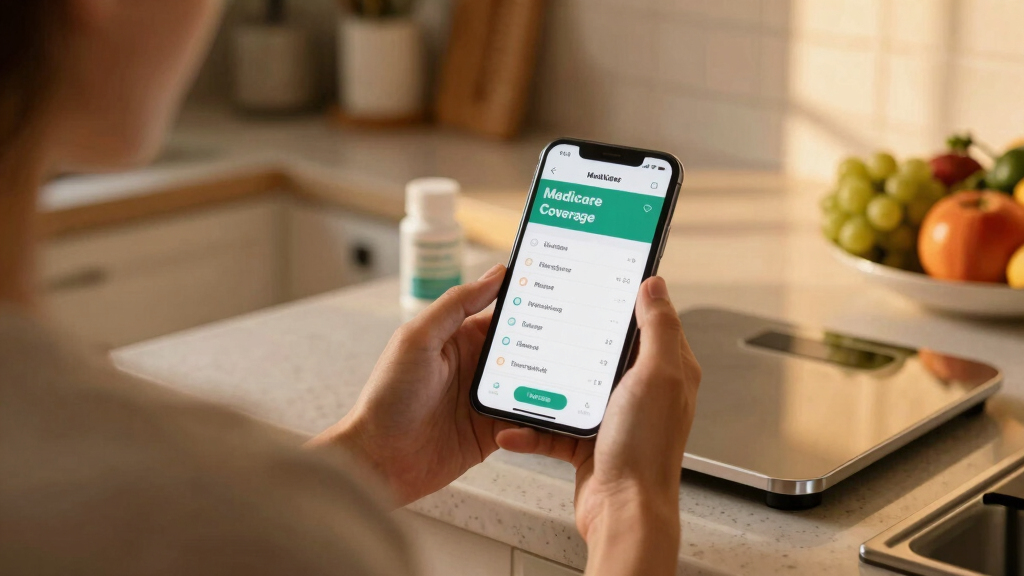
Medicare announced it will begin covering GLP-1 weight loss drugs, making these treatments accessible to more seniors. The move aims to address obesity and related health issues but raises questions about costs and eligibility criteria.
Medicare has announced it will now cover GLP-1 receptor agonist medications for weight loss, expanding access for eligible seniors and those with obesity-related health conditions. This policy change aims to address the growing obesity epidemic among older Americans and its associated health risks.
According to Medicare officials, coverage for GLP-1 weight loss drugs, such as Wegovy and Ozempic, will be available starting immediately for beneficiaries who meet specific eligibility criteria. The drugs, originally approved for type 2 diabetes, have gained recognition for their effectiveness in weight management. Medicare’s decision follows recent clinical evidence and advocacy highlighting the importance of obesity treatment in reducing healthcare costs and improving quality of life.
The coverage includes prescription costs, with patients potentially facing co-pays depending on their plan. Eligibility is primarily targeted at seniors with a body mass index (BMI) of 30 or higher, or 27 with related health conditions such as hypertension or diabetes, as per the new guidelines. Medicare officials emphasized that prior authorization may be required, and beneficiaries should consult their healthcare providers for assessment and approval.
Why It Matters
This development is significant because it broadens access to a class of medications that have demonstrated substantial weight reduction benefits, potentially lowering the incidence of obesity-related illnesses among seniors. It also signals a shift in Medicare policy towards more proactive management of obesity as a chronic health condition, which could lead to long-term healthcare savings and improved health outcomes for millions of Americans.
As an affiliate, we earn on qualifying purchases.
Background
Until now, Medicare largely excluded coverage for weight loss drugs, citing concerns about cost and limited evidence of long-term benefits. However, recent studies and advocacy efforts have highlighted the effectiveness of GLP-1 drugs in weight management, prompting policy reconsideration. The move follows a broader trend of increasing coverage for innovative obesity treatments in private insurance and Medicaid programs. The decision aligns with recent federal health initiatives aimed at combating the obesity epidemic and its associated costs.
“We are committed to providing our beneficiaries with access to effective treatments for obesity, which is a significant health concern among seniors.”
— Medicare spokesperson
“This is a positive step that could significantly improve health outcomes for seniors struggling with obesity, reducing the risk of diabetes, heart disease, and other complications.”
— Dr. Jane Smith, obesity specialist
What Remains Unclear
It is still unclear how many beneficiaries will qualify under the new guidelines, what the exact out-of-pocket costs will be for different plans, and how quickly providers will adapt to the new coverage policies. Additionally, long-term data on the cost-effectiveness of widespread GLP-1 use in this population remains limited.
What’s Next
Next steps include implementation of the new coverage policies at the local level, with beneficiaries encouraged to consult their healthcare providers about eligibility. Medicare plans are expected to update their formularies and claim processes soon. Further evaluations of the program’s impact on health outcomes and costs will likely follow over the coming months.
Key Questions
Who is eligible for Medicare coverage of GLP-1 weight loss drugs?
Eligibility primarily targets seniors with a BMI of 30 or higher, or 27 with obesity-related health conditions such as hypertension or diabetes. Specific criteria and prior authorization requirements may apply, so beneficiaries should consult their healthcare providers.
Will my out-of-pocket costs change with this new coverage?
Costs will depend on your Medicare plan’s formulary and co-pay structure. While the drugs will be covered, beneficiaries may still face co-pays or deductibles, which vary by plan.
When does this coverage start?
The coverage is effective immediately, following the official announcement in May 2026.
Are all GLP-1 drugs covered under Medicare now?
Coverage is expected to include FDA-approved GLP-1 medications for weight loss, such as Wegovy and Ozempic, but beneficiaries should verify specific coverage details with their plans.
What are the long-term implications of this policy change?
The long-term impact on healthcare costs and health outcomes remains uncertain, pending further studies and data collection on the effectiveness and cost-efficiency of widespread GLP-1 use among seniors.
Halloween Picks
halloween
As an affiliate, we earn on qualifying purchases.