
To spot a breakfast that looks healthy but isn’t, start by checking the nutrition label for hidden sugars, fats, and calories. Be wary of marketing claims like “low-fat” or “natural,” which can be misleading. Watch portion sizes carefully, as larger servings can turn a seemingly healthy choice into a calorie bomb. Foods with ingredients like dried fruits, nuts, or flavored yogurt often hide extra calories. Keep these tips in mind, and you’ll discover how to make smarter breakfast choices.

Get kitchen staples and gadgets delivered free with Prime
- Fast, free delivery on millions of items
- Prime Video, Amazon Music and more included
- Member-only deals all year
Key Takeaways
- Check the nutrition label for hidden sugars; over 10 grams per serving is a red flag.
- Be cautious of marketing claims like “low-fat” or “natural” that may still contain high sugar or calories.
- Monitor portion sizes to prevent calorie and sugar overload from seemingly healthy foods.
- Watch out for calorie-dense ingredients like nuts, dried fruits, and flavored dairy that can disguise unhealthy choices.
- Practice label reading and mindful eating to identify deceptive packaging and make informed, healthier selections.
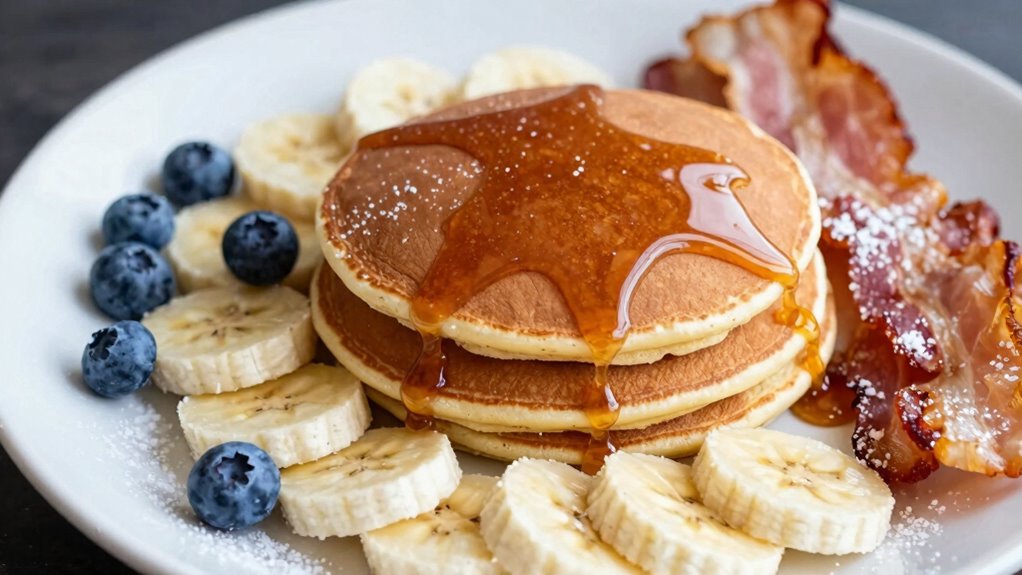
Many breakfast options that appear healthy at first glance can actually be loaded with hidden sugars, unhealthy fats, or excessive calories. It’s easy to be fooled by labels or enticing images, but if you look closer, you’ll see how some “healthy” choices aren’t as beneficial as they seem. One of the biggest red flags is the sugar content. Even foods marketed as “low-fat” or “natural” can contain surprising amounts of added sugars. When you’re checking labels, look beyond the front packaging; scrutinize the nutrition facts to see how much sugar is in a serving. A breakfast item with more than 10 grams of sugar per serving should raise suspicion. Many products use sugar to enhance flavor, but too much can spike your blood sugar and lead to cravings later in the day. It’s essential to evaluate portion control here. Even if a food is relatively low in sugar, a larger portion can quickly turn it into an unhealthy choice. For example, a muffin that contains 8 grams of sugar might seem reasonable until you realize that consuming two doubles that amount, pushing your sugar intake higher than recommended. Eating mindfully and sticking to appropriate portion sizes helps you avoid over-consuming calories and sugar, even from seemingly nutritious options.
You also need to be aware of hidden fats and calories, which often sneak into “healthy” breakfast foods. Many granola bars, yogurt parfaits, or smoothie bowls are packed with calorie-dense ingredients like nuts, dried fruits, and sweetened dairy. While these ingredients can be healthy in moderation, they become problematic when portions are uncontrolled. A small handful of nuts is good, but a large serving can quickly add hundreds of calories. Similarly, flavored yogurts can contain more sugar and fat than you realize, turning a seemingly healthy snack into a calorie bomb. To make smarter choices, always check the serving size and be mindful of how much you’re eating. When you’re aware of portion control, you’re less likely to overindulge in high-calorie ingredients disguised as healthy options. Additionally, understanding the role of hidden ingredients can help you better navigate food labels and avoid deceptive claims.
In the end, the key to spotting a breakfast that looks healthy but isn’t is to focus on the details—sugar content, portion control, and hidden calories. Don’t rely solely on marketing claims or eye-catching packaging. Instead, become a label reader and practice mindful eating. This way, you’ll make smarter choices that support your health goals, rather than undermine them with deceptively healthy-looking foods.
healthy breakfast nutrition label scanner
As an affiliate, we earn on qualifying purchases.
As an affiliate, we earn on qualifying purchases.
Frequently Asked Questions
Are Sugar Substitutes Healthier Than Sugar in Breakfast Foods?
Artificial sweeteners may seem like a healthier choice, but they aren’t always better than natural sugars in breakfast foods. While they contain fewer calories, some studies suggest they can cause cravings or digestive issues. Natural sugars, found in fruits and dairy, offer nutrients and energy without artificial additives. So, it’s smarter to choose whole foods with natural sugars, rather than relying heavily on artificial sweeteners, for a healthier breakfast.
Can “Gluten-Free” Labels Indicate a Healthier Breakfast Option?
Gluten-free labels don’t automatically mean a healthier breakfast. Many gluten-free products are heavily processed and high in sugar or fat, fueled by gluten-free myths. Always check label accuracy—look beyond the gluten-free label to ingredients and nutritional info. Just because something is labeled gluten-free, it doesn’t guarantee health benefits. Focus on whole, unprocessed foods instead of relying solely on gluten-free claims for a nutritious start.
What Ingredients Should I Avoid in Supposedly Healthy Cereals?
You should avoid cereals loaded with artificial sweeteners, as they can disrupt your digestion and lead to cravings for more sugar. Watch out for the whole grain deception—just because a cereal claims to be whole grain doesn’t mean it’s healthy. Often, added sugars or artificial ingredients hide behind health claims. Stick to cereals with simple, natural ingredients, and check labels carefully to guarantee you’re not being fooled.
How Do Portion Sizes Influence Breakfast Healthiness?
Portion sizes greatly influence your breakfast’s healthiness because they directly impact calorie intake. Practice portion control to prevent overeating, even with healthy-looking foods. Being calorie aware helps you choose appropriate amounts, ensuring you get essential nutrients without excess calories. Paying attention to serving sizes on labels and using measuring tools can help you maintain balance, so your breakfast fuels your day without sabotaging your health goals.
Are Smoothies Always a Healthy Breakfast Choice?
Smoothies can be healthy, but they’re not always the best choice, especially if loaded with sugary ingredients or large portion sizes. As part of your meal prep and breakfast trends, focus on making smoothies with whole fruits, vegetables, and protein sources. Watch out for hidden sugars and excess calories. By customizing your smoothies, you guarantee they support your health goals rather than undermine them.
Conclusion
Remember, what catches your eye might not always nourish your body as it seems. Sometimes, a breakfast that appears wholesome can hide less desirable ingredients beneath its tempting surface. By paying close attention to labels and ingredients, you can avoid the subtle pitfalls that disguise less healthy options. Ultimately, choosing foods that genuinely support your well-being is a gentle act of self-care—an understated way to honor your health without falling for the allure of superficial appeal.
Halloween Picks
halloween
As an affiliate, we earn on qualifying purchases.