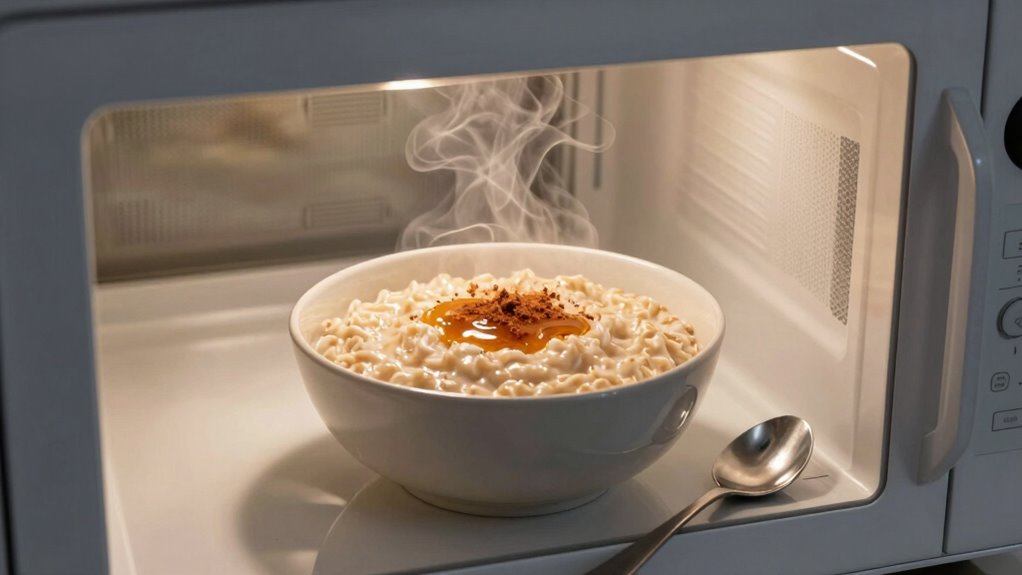

To reheat oatmeal without it turning into cement, use a microwave-safe container with a lid or vented cover, and reheat in short 20-30 second bursts, stirring well after each. Adding a splash of milk or water helps keep it moist and creamy. On the stovetop, warm it gently in a pan with a little extra liquid, stirring often. For more tips on maintaining perfect texture, keep exploring these techniques.

Get kitchen staples and gadgets delivered free with Prime
- Fast, free delivery on millions of items
- Prime Video, Amazon Music and more included
- Member-only deals all year
Key Takeaways
- Reheat oatmeal in short 20-30 second intervals, stirring thoroughly each time for even heat distribution.
- Add a splash of water or milk before reheating to keep oatmeal moist and prevent dryness.
- Use microwave-safe containers with lids or vented covers to trap steam and maintain a creamy texture.
- Reheat on low or medium-low power to avoid overheating and becoming rubbery or cement-like.
- Reheat only once, stirring in extra liquid if needed, to preserve moisture and prevent clumping.
Why Reheating Oatmeal Properly Matters for Texture and Flavor
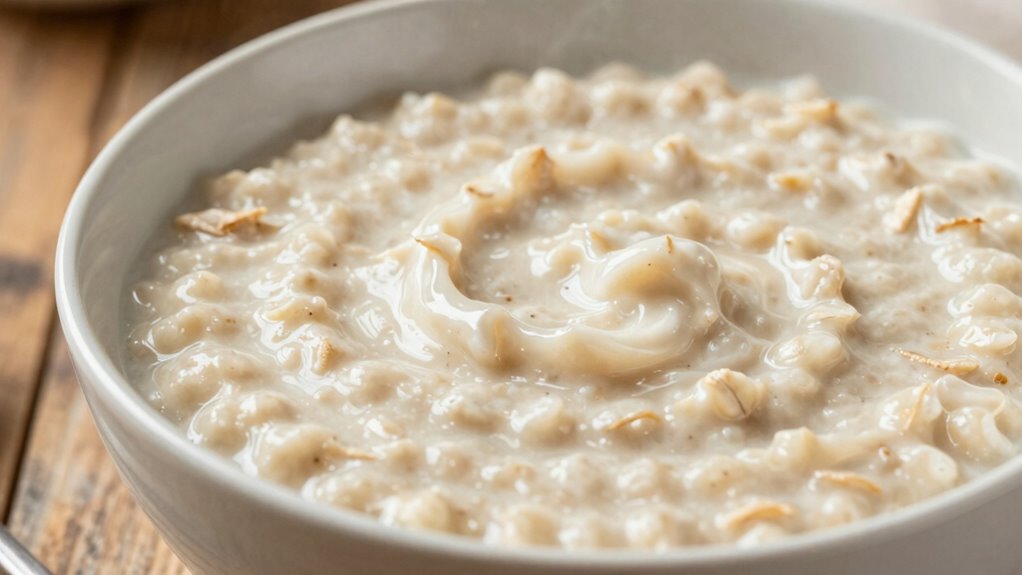
Reheating oatmeal properly is essential because it directly affects its texture and flavor. When you reheat it correctly, you preserve its smooth, creamy consistency, preventing it from becoming rubbery or grainy. Proper reheating ensures the oatmeal maintains its original texture, making each bite satisfying. Additionally, it enhances flavor by allowing the ingredients to meld comfortably without losing their freshness. Overheating or uneven reheating can cause the oats to dry out or develop an undesirable taste, diminishing the overall eating experience. By focusing on the right reheating techniques, you keep the oatmeal’s natural richness and creaminess intact. Using the right reheating method helps to avoid common pitfalls such as scorching or uneven heating. This way, every spoonful offers a warm, flavorful, and inviting meal, just as it was intended when first prepared. Proper temperature control is crucial to achieve the best results and maintain the oatmeal’s original quality. Paying attention to microwave settings can also help ensure consistent heating without overdoing it. Understanding reheating techniques allows you to customize the process based on your equipment and preferences, ensuring optimal results.
How to Reheat Oatmeal in the Microwave Without Messing It Up
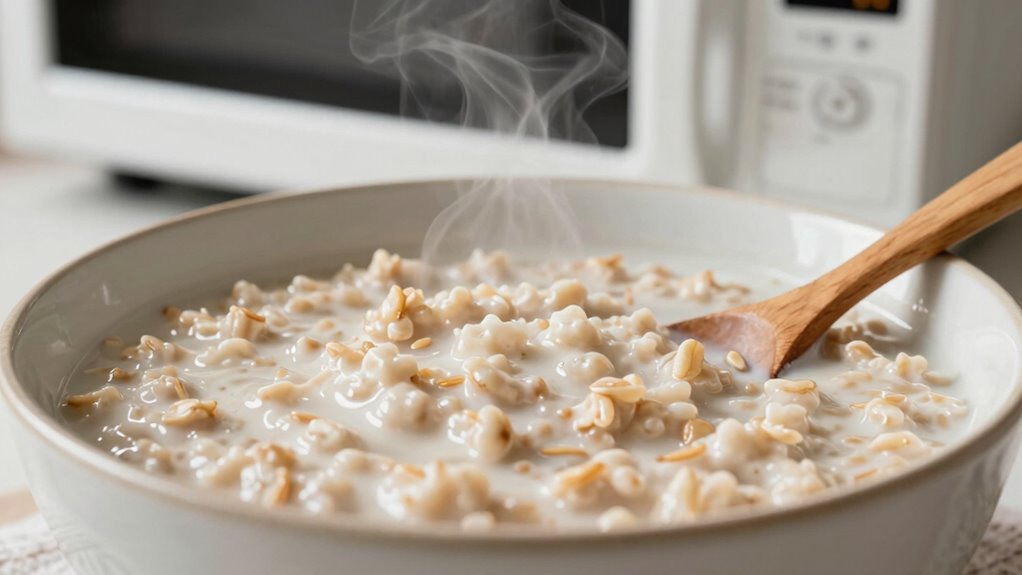
To reheat oatmeal in the microwave without a mess, start by choosing a microwave-safe container. Before heating, add a splash of water or milk to keep the oatmeal moist and prevent it from drying out. Heating in short bursts, stirring in between, helps ensure even warming and minimizes spills. Incorporating proper reheating techniques can help maintain the oatmeal’s texture and flavor. Additionally, being mindful of Free Floating in the microwave can prevent splatters and ensure a cleaner reheating process. Using the correct microwave power level can also improve results and prevent overheating. Paying attention to microwave safety tips can further ensure a smooth reheating experience. Adjusting the microwave temperature appropriately can help preserve the oatmeal’s consistency and prevent burning.
Use a Microwave-Safe Container
Using a microwave-safe container is essential to prevent accidents and messes when reheating oatmeal. Choosing the right container guarantees microwave safety and helps maintain your oatmeal’s quality. Opt for glass or ceramic containers labeled microwave-safe, as they won’t warp or leach chemicals. Avoid metal or containers with metallic paint, which can cause sparks or damage your microwave. Make sure the container has a lid or microwave-safe cover to prevent splatters. Select containers with vented lids or leave a small gap open for steam to escape. Using the proper container type helps distribute heat evenly and reduces the risk of hot spots. Always verify the container is microwave-safe before reheating to guarantee safety and best results. Material properties are key to ensuring even heating and avoiding hot spots that can turn oatmeal into a mess. Additionally, choosing containers with good heat distribution can help prevent uneven reheating and maintain oatmeal’s texture.
Add Moisture Before Heating
Adding moisture before reheating oatmeal is key to preventing it from drying out or becoming lumpy. To do this, add a small splash of water or milk to your oatmeal before microwaving. This helps with moisture retention, ensuring the oats stay creamy and smooth. Stirring in a bit of liquid distributes moisture evenly, which prevents hot spots and uneven heating. Be careful not to add too much water, or your oatmeal will turn watery. The goal is to reintroduce just enough moisture to keep the consistency right. Incorporating proper reheating techniques can further enhance the texture and flavor. Using even heating methods can help maintain a consistent temperature throughout, preventing overcooking or cold spots. Paying attention to microwave power levels can also make a big difference in achieving evenly heated oatmeal. This simple step makes a significant difference in maintaining the oatmeal’s texture and flavor after reheating. By adding water beforehand, you help your oatmeal stay moist, tender, and easy to enjoy.
Heat in Short Intervals
When reheating oatmeal in the microwave, it’s best to do so in short bursts rather than leaving it to heat continuously. This prevents overheating and keeps the texture smooth. Use 20-30 second intervals, stirring thoroughly after each to distribute heat evenly. This method allows you to monitor moisture levels and avoid dryness. To enhance flavor, consider seasoning enhancements like a pinch of cinnamon or a drizzle of honey during each interval. For presentation tips, serve in a clean bowl and add toppings like fresh fruit or nuts after reheating. Remember, patience is key—short bursts give you control and help maintain the oatmeal’s ideal consistency. Incorporating energy management techniques, such as monitoring your microwave’s power settings, can also help prevent overheating. Being mindful of microwave efficiency can further optimize reheating results and save energy. Additionally, paying attention to moisture retention can ensure your oatmeal remains creamy rather than drying out. Ensuring proper air circulation around the microwave can also promote more uniform heating. This approach ensures your reheated oatmeal stays creamy, flavorful, and visually appealing. Incorporating water purification techniques into your routine can also ensure your ingredients remain fresh and safe.
Step-by-Step: Reheating Oatmeal on the Stove
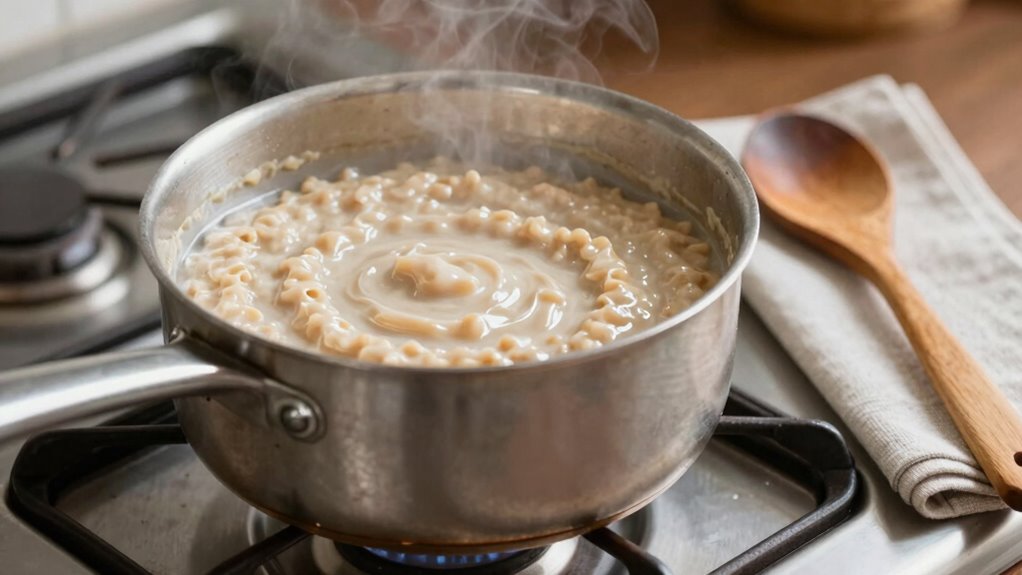
Reheating oatmeal on the stove is a straightforward process that allows you to restore its creamy texture and warm flavor quickly. First, check your oatmeal storage—if it’s in the fridge, transfer it to a saucepan. Use reheating tools like a spatula or wooden spoon to stir continuously, preventing sticking or burning. Pour the oatmeal into a saucepan and add a splash of water, milk, or your preferred liquid to loosen it up. Turn the stove to low or medium-low heat. Warm the oatmeal slowly, stirring frequently, until it’s heated through and reaches your desired temperature. Proper heat distribution can help ensure even warming and prevent scorching. Additionally, understanding insulation and heat transfer can help you prevent overcooking or uneven reheating. Being aware of heat conduction can also assist in selecting the right cookware for more even heat. Using the right cookware material can further improve heat distribution and reheating consistency. Once hot, serve immediately for the best texture and flavor.
Tips to Keep Your Reheated Oatmeal Creamy and Moist
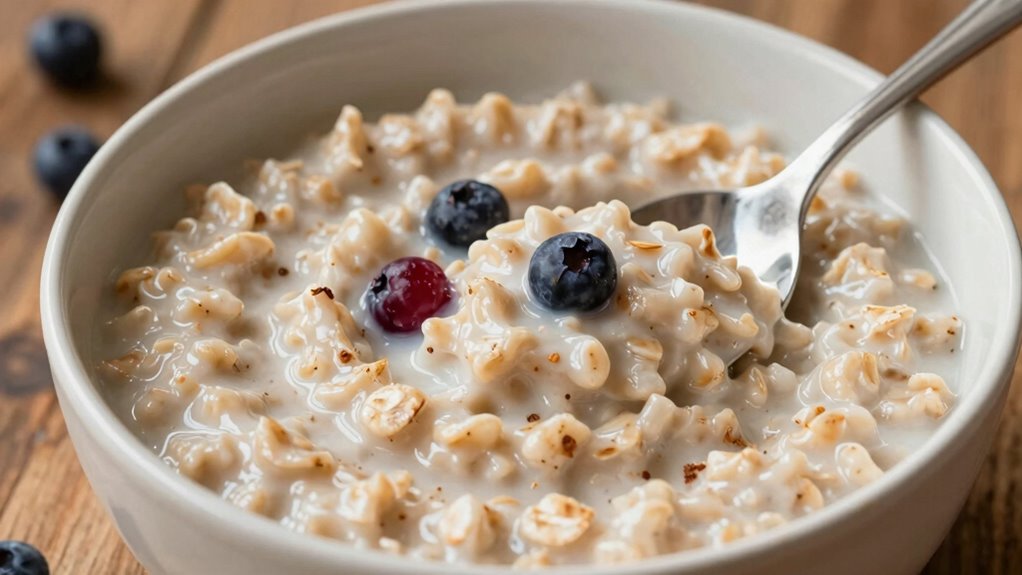
To keep your reheated oatmeal creamy and moist, it’s essential to incorporate extra liquid during the reheating process. Proper oatmeal storage helps maintain its moisture, preventing it from drying out. When reheating, use the right reheating accessories like a microwave-safe bowl or a stovetop pot with a lid to trap steam. Adding a splash of milk, water, or yogurt restores creaminess and prevents clumping. Stir frequently to distribute heat evenly, ensuring the oats stay moist. Cover your bowl or pot to retain moisture and avoid drying out. Using quality reheating accessories makes a big difference in maintaining the right texture. Being familiar with common repairs can help you troubleshoot and address minor issues before they escalate. Additionally, understanding proper storage techniques can significantly extend the freshness and moisture of your oatmeal. It’s also beneficial to know how heat distribution affects the texture and consistency of reheated foods. For best results, consider using a microwave with even heat technology to prevent hot spots that can dry out the oats. Keep these tips in mind, and your reheated oatmeal will stay deliciously creamy and moist every time.
Avoid These Common Reheating Mistakes That Make Oatmeal Clumpy
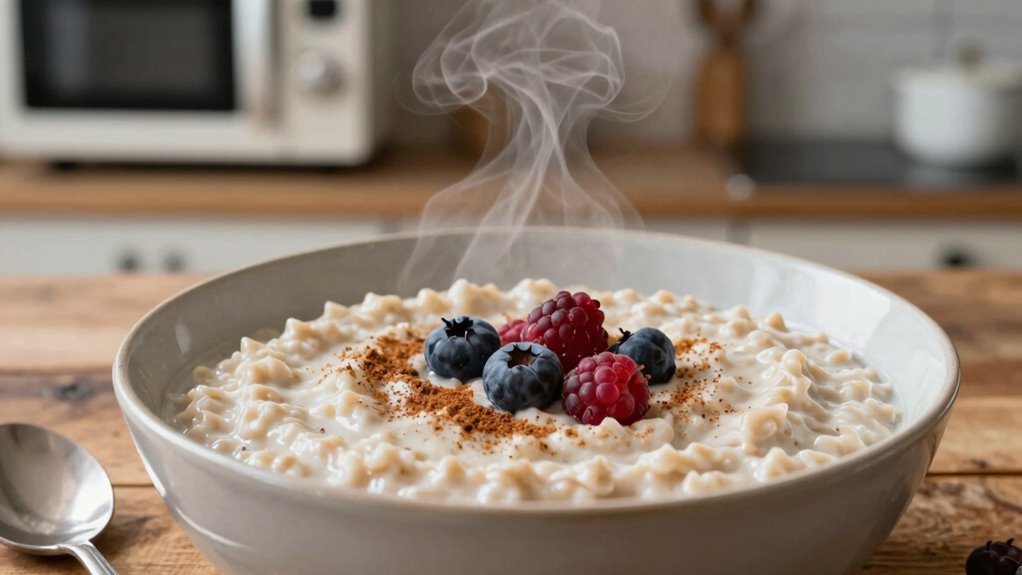
Clumping often happens because you heat your oatmeal unevenly or without enough liquid, which causes the oats to stick together and form lumps. To avoid this, pay attention to oatmeal storage; keep it covered and refrigerated to prevent dryness that leads to uneven reheating. When reheating, choose the right reheating containers—preferably wide and shallow—so heat distributes evenly. Stir frequently during reheating to break up any clumps and incorporate extra liquid if needed. Skip overheating it in a microwave without stirring, as this promotes uneven heat and clumping. Also, avoid reheating multiple times, which can cause moisture loss and make the oats stick together. Proper storage and careful reheating containers help maintain a smooth, creamy texture.
Creative Ways to Reheat and Serve Oatmeal for Different Tastes
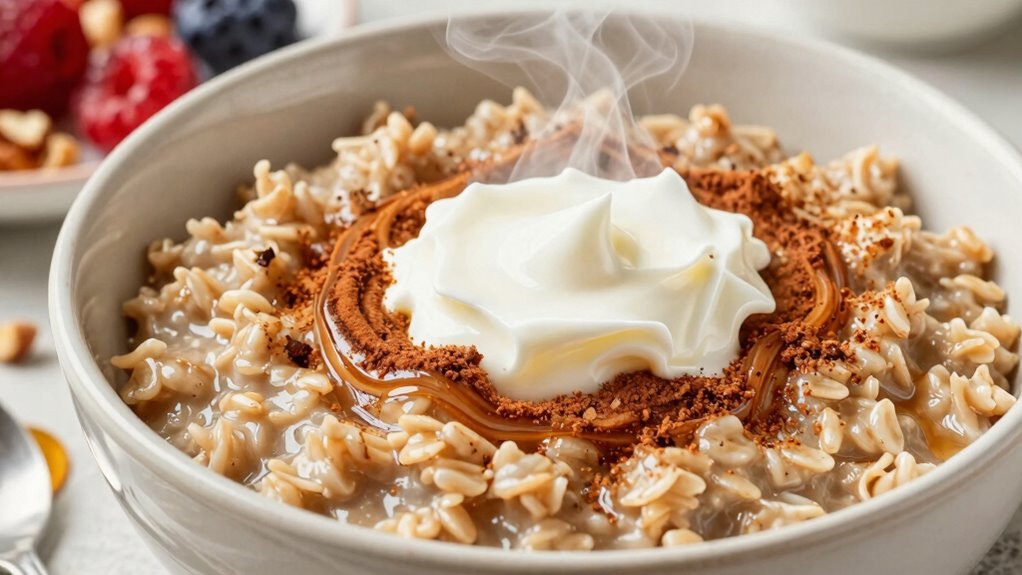
To make your reheated oatmeal more appealing, try different stirring techniques to achieve extra creaminess. You can also add flavor boosts like fruits, nuts, or sweeteners to suit your taste. Experimenting with texture, such as blending in some yogurt or topping with crunchy ingredients, can give each serving a fresh twist.
Stirring Techniques for Creaminess
Achieving the perfect creamy texture when reheating oatmeal often depends on your stirring technique. Proper mixing techniques help you control the consistency and prevent clumping or dryness. To maximize creaminess, stir vigorously but gently, ensuring heat distributes evenly. Use a spoon or whisk to break up any lumps and incorporate added liquids smoothly. Consistency control is key: adjust the stirring speed and duration based on your desired texture. Incorporate these techniques to improve your oatmeal reheating process:
- Use a silicone spatula for gentle, even mixing
- Stir continuously during reheating
- Incorporate a splash of milk or water while stirring
- Use a circular motion to avoid lumps
- Adjust stirring intensity based on thickness preferences
These methods help keep your oatmeal smooth and delicious.
Flavor Boosting Ideas
Once you’ve perfected your stirring technique for creaminess, you can elevate your oatmeal by adding flavor boosts to suit your taste buds. Experiment with flavor pairings like cinnamon and apple, or nut butter and banana, to create satisfying combinations. Sweet enhancements such as honey, maple syrup, or a drizzle of agave can add just the right touch of sweetness without overpowering the natural oatmeal flavor. For a burst of freshness, consider adding a handful of berries or a splash of citrus juice. Spices like nutmeg or vanilla extract also enrich the taste, making each bowl unique. These flavor-boosting ideas help customize your reheated oatmeal, ensuring it remains delicious and inviting, no matter how many times you heat it.
Texture Variations to Try
If you want to change up the texture of your reheated oatmeal, experimenting with different serving methods can make a big difference. Texture experiments allow you to enjoy new mouthfeels and enhance flavor in creative ways. Try these ideas to diversify your oatmeal experience:
- Stir in a splash of milk or cream for a creamier, smoother consistency
- Top with crunchy nuts or granola for added texture contrast
- Mix in mashed bananas or applesauce for a thicker, chunkier bite
- Fold in yogurt or ricotta for a velvety, rich mouthfeel
- Serve with fresh fruit slices or berries to introduce natural juiciness and flavor enhancements
These variations keep oatmeal exciting and tailored to your taste preferences, making reheating a versatile part of breakfast.
Troubleshooting Reheated Oatmeal: Fixing Lumps, Dryness, and Rubberiness
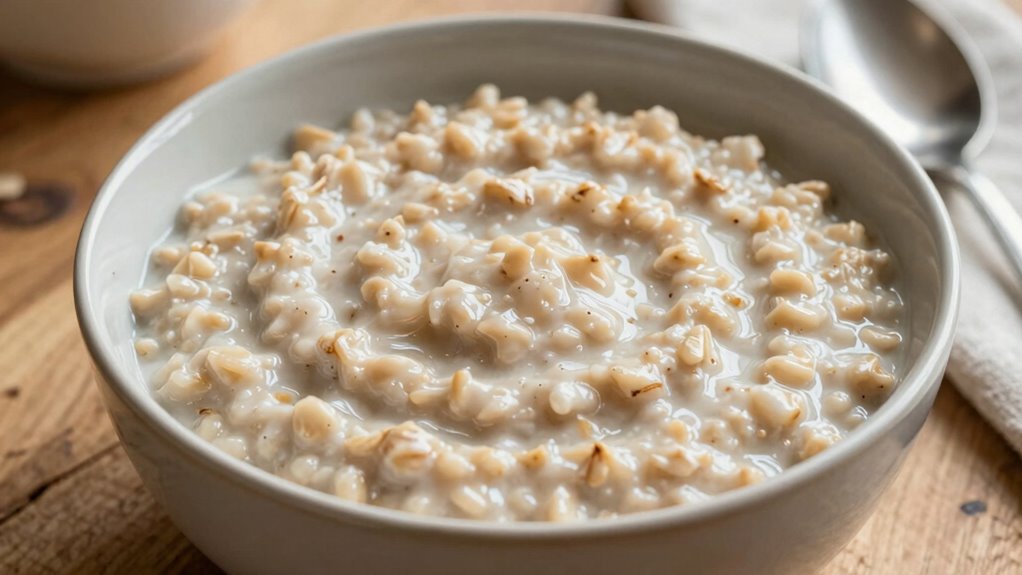
Lumps, dryness, and rubberiness are common issues when reheating oatmeal, but you can fix them with simple techniques. If your oatmeal has lumps, stir in a splash of milk or water and microwave for 15-20 seconds, then stir well to smooth out the texture. To combat dryness, add a small amount of milk or water during reheating, which helps restore moisture and enhances flavor. Rubberiness often results from overcooking or improper storage; to fix it, reheat gently on low power and incorporate a little liquid to soften it. Proper oatmeal storage is key to preventing these problems, so keep leftovers airtight in the fridge. These quick fixes will improve texture and flavor, making your reheated oatmeal as enjoyable as when first cooked.
Frequently Asked Questions
Can I Reheat Oatmeal in a Regular Oven?
Yes, you can reheat oatmeal in a regular oven. To do so safely, transfer it to an oven-safe container, ensuring it’s suitable for heat. Cover the container with foil to prevent it from drying out and to maintain moisture. Set your oven to a low temperature, around 350°F, and heat until the oatmeal is steaming thoroughly. Always check that the container is oven-safe to avoid any accidents.
How Long Can I Store Leftover Reheated Oatmeal?
A stitch in time saves nine, and that’s true for leftover oatmeal too. You should store reheated oatmeal in an airtight container in the fridge for up to 3-4 days. Follow storage tips like cooling it quickly and keeping it at the right temperature. For reheating safety, always reheat thoroughly to an internal temperature of 165°F. If it smells or looks off, it’s best to discard it.
Is It Safe to Reheat Oatmeal Multiple Times?
Reheating oatmeal multiple times isn’t recommended because it can jeopardize food safety, increasing the risk of bacterial growth. Each time you reheat, bacteria may develop if the oatmeal isn’t heated thoroughly or stored properly. To stay safe, only reheat your oatmeal once, ensure it reaches a high temperature, and store leftovers promptly in the refrigerator. This approach helps prevent foodborne illnesses and keeps your meal safe to enjoy.
What Containers Are Best for Reheating Oatmeal?
Did you know that using the right container can reduce microwave reheating time by up to 30%? You should choose airtight containers, which trap moisture and heat evenly, preventing your oatmeal from drying out or becoming too hot in spots. Opt for microwave-safe, BPA-free containers with tight-fitting lids. This way, you guarantee your reheated oatmeal stays creamy and delicious without mess or waste, making your breakfast hassle-free.
Can I Reheat Flavored or Topped Oatmeal Without Ruining It?
Yes, you can reheat flavored or topped oatmeal without ruining it by adding a splash of milk or water before reheating. This helps preserve flavor and maintain texture, preventing it from turning dry or rubbery. Use a gentle heat, stirring frequently to keep the toppings intact and evenly heated. Cover the container to retain moisture, and reheat in short bursts to avoid overcooking, ensuring your oatmeal stays tasty and creamy.
Conclusion
Remember, reheating oatmeal is all about patience and attention. Follow these tips to keep it creamy and delicious, and don’t rush the process—good things take time. As the saying goes, “Haste makes waste,” and nobody wants clumpy, rubbery oatmeal. With a little care, you’ll enjoy warm, flavorful oats every time. So, take your time, stay attentive, and savor every spoonful of your perfectly reheated breakfast!
Halloween Picks
halloween
As an affiliate, we earn on qualifying purchases.