To make homemade bagels, start by mixing high-quality bread flour, warm water, yeast, and a pinch of salt until you form a smooth, elastic dough. Let it rise in a warm spot until doubled in size, then shape into rings. Boil the shaped dough briefly in honey or malt water, add toppings immediately, and bake until golden brown. Following these steps will give you delicious, chewy bagels—continue to explore for more tips and tricks.
Key Takeaways
- Use high-quality bread flour, warm water, and proper mixing to create a uniform, elastic dough.
- Allow the dough to rise until doubled in size in a warm, draft-free environment.
- Shape the dough into bagels, poke a hole, and gently stretch for the classic shape.
- Boil bagels in honey or malt water for 30 seconds to 1 minute per side to develop crust and flavor.
- Bake until golden brown, then add toppings immediately after boiling for a perfect, chewy bagel.
Have you ever wondered how to make fresh, chewy bagels right in your own kitchen? Once you master the basic dough and techniques, you’ll find it’s easier than you think to create bakery-quality bagels at home. The key is to understand the significance of proper dough preparation techniques and to get creative with your bagel toppings. These toppings, from classic sesame and poppy seeds to everything bagel seasoning, can elevate your homemade bagels to a whole new level.
Start by mixing your ingredients carefully. Use high-quality bread flour for the best chewy texture, and guarantee your water is warm enough to activate the yeast but not so hot that it kills it. When preparing your dough, knead it thoroughly until it becomes smooth and elastic—this develops the gluten structure that gives bagels their characteristic chewiness. This dough preparation technique is vital because it influences the final texture. Once kneaded, let the dough rise in a warm, draft-free spot until it doubles in size, usually about an hour. Proper fermentation makes your bagels more flavorful and resilient.
Use high-quality bread flour and ensure your water is warm enough to activate the yeast for perfect bagel texture.
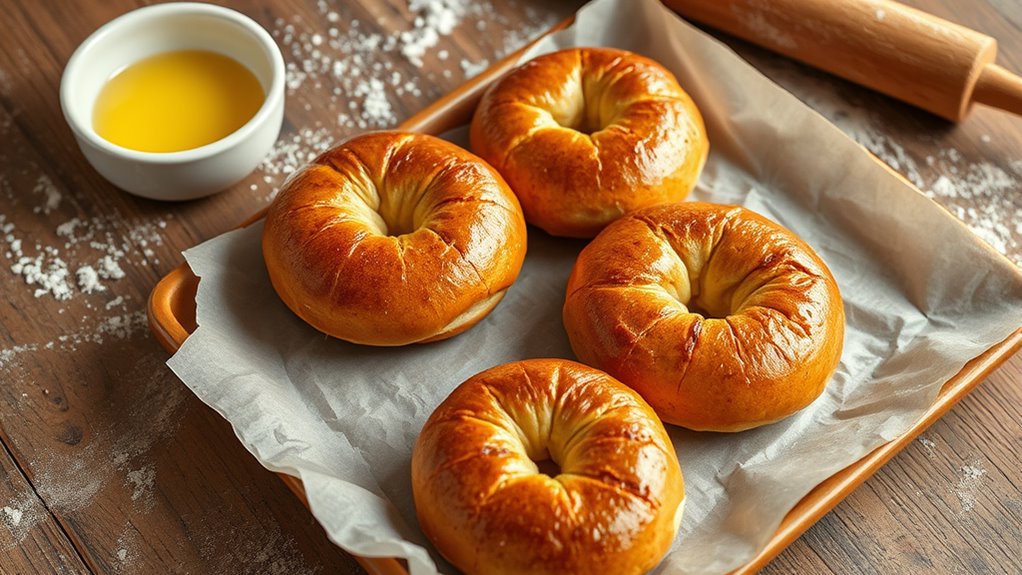
After the dough has risen, divide it into equal portions and shape each into a tight, smooth ball. To form the classic bagel shape, poke a hole in the center of each ball with your finger and gently stretch the dough outward. This step is important because it prevents the bagel from shrinking during boiling and baking. Once shaped, you need to perform the boiling stage, which is a defining feature of bagel-making. Boil the bagels in water with a bit of honey or malt syrup for about 30 seconds to a minute on each side. This step creates a shiny, chewy crust and enhances the bagel’s flavor. Incorporating the right testing methodologies during the process can help ensure consistent results.
Once boiled, you can add your preferred bagel toppings. Dipping or sprinkling toppings like sesame seeds, poppy seeds, or everything seasoning immediately after boiling helps them stick. For a more colorful or textured bagel, you might also brush the surface with egg wash before adding toppings. Bake your bagels in a preheated oven until they turn golden brown and firm. The result will be wonderfully chewy, flavorful bagels that rival those from your favorite bakery.
Making your own bagels allows you to experiment with different toppings and dough techniques to suit your taste. Each step— from dough preparation techniques to choosing the right toppings— contributes to achieving that perfect homemade bagel. Once you get the hang of it, you’ll love the satisfaction of biting into your own fresh, chewy creation, knowing you made it yourself from scratch.

King Arthur 100% Organic Bread Flour, Unbleached, 5 lb (Pack of 1) – Non-GMO Project Verified, No Preservatives
High Protein Flour: 12.7% protein – a full point more than other national brands, King Arthur flour ensures…
As an affiliate, we earn on qualifying purchases.
As an affiliate, we earn on qualifying purchases.
Frequently Asked Questions
Can I Freeze Bagels for Later Use?
Yes, you can freeze bagels for later use. To do so, use proper freezing techniques by placing your bagels in airtight storage containers or resealable plastic bags to prevent freezer burn. Wrap each bagel individually in plastic wrap before storing if you want to keep them fresh longer. When ready to enjoy, just thaw at room temperature or toast directly from the freezer for a quick, delicious treat.
What Are Alternative Toppings for Bagels?
You’ll find endless topping varieties to transform your bagels into flavor explosions! Besides classic cream cheese, try smoked salmon, capers, or a dash of everything bagel seasoning. For sweet options, spread peanut butter, honey, or fruit preserves. Experiment with avocado slices, hummus, or sliced tomatoes for savory twists. The key is mixing and matching to create exciting flavor combinations that make each bite unforgettable. Your taste buds will thank you for this culinary adventure!
How Do I Make Gluten-Free Bagels?
To make gluten-free bagels, you need to use gluten-free flours like rice, tapioca, or potato starch. Mix them with warm water, yeast, and a pinch of salt. Use alternative binders such as xanthan gum or psyllium husk to hold the dough together. Shape your bagels, boil them briefly, then bake until golden. This method creates chewy, delicious gluten-free bagels that rival traditional ones.
What’s the Best Way to Store Homemade Bagels?
To keep your homemade bagels fresh, store them in an airtight container or resealable plastic bag at room temperature. This bagel storage method helps preserve their freshness and prevents them from becoming stale too quickly. For longer storage, freeze the bagels, wrapping them tightly in plastic wrap and placing them in a freezer-safe bag. When ready to enjoy, just reheat in the oven or toaster for the best texture.
Can I Substitute Bread Flour With Alternative Flours?
Yes, you can substitute bread flour with gluten alternatives or other flours, but be aware that it may affect the bagel’s texture and chewiness. Opt for high-protein flours like essential wheat gluten or use a mix of all-purpose flour and gluten alternatives for better results. Flour substitution works best when you adjust hydration levels accordingly, so experiment to find the perfect balance for your homemade bagels.

CJQINGRUN Donut Pan for Baking, 6-Cavity Non-Stick Doughnut Mold, Bagel Maker Set – Silicone Baking Pans for Homemade Pastries, Easy Clean (6Pcs)
🍩【Heat-Resistant & Safe Donut Pan】 Crafted from premium food-grade silicone, this 6-cavity donut pan withstands extreme oven temperatures…
As an affiliate, we earn on qualifying purchases.
As an affiliate, we earn on qualifying purchases.
Conclusion
Now that you’ve learned how to make bagels from scratch, you can see how each step builds on the last, much like a solid foundation for a house. Think of the boiling step as the moment that transforms raw dough into a chewy, glossy bagel, visually representing the power of simple actions to create something delicious. With practice, you’ll master this process, turning basic ingredients into a bakery-quality treat right in your own kitchen.
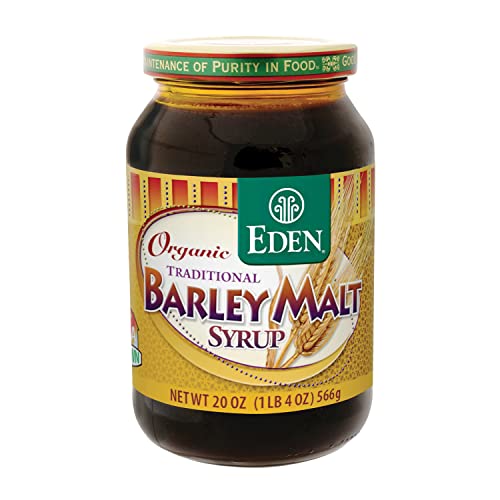
Eden Organic Traditional Barley Malt Syrup, Whole Grain Liquid Sweetener, 74.5% Maltose, Non-Diastatic, Perfect for Bagels, Non-GMO, 20 oz Glass Jar
Only 2 ingredients, Organic Barley and water, in a centuries old traditional malting system managed by an artisan…
As an affiliate, we earn on qualifying purchases.
As an affiliate, we earn on qualifying purchases.

Everything Bagel Seasoning Blend Bulk 3 LB – Everything Bagels Topping, Blend of Sea Salt and Spices Dried Minced Garlic & Onion Flakes for Baked goods, Toast, Avocado, Eggs, Salads, and Vegetables
BULK Toss Everything Bagel Seasoning comes in large 3 LB plastic containers ideal for bulk buying and professional…
As an affiliate, we earn on qualifying purchases.
As an affiliate, we earn on qualifying purchases.