If your KitchenAid Artisan Series 5 Quart Tilt Head Stand Mixer is making a persistent grinding noise, it can be both annoying and a sign of underlying issues. Fortunately, many common problems are fixable with basic troubleshooting and maintenance. This guide will walk you through the necessary steps to identify and resolve the grinding sound, ensuring your mixer performs like new.

Get kitchen staples and gadgets delivered free — and shop member deals
- Fast, free delivery on millions of items
- Access to Prime Big Deal Days deals on October 6–7
- Prime Video, Amazon Music and more included
Before starting, ensure you have the appropriate tools and safety precautions in place. Always unplug your mixer before handling any internal parts to prevent injury.
Key Takeaways
| Identify the source of noise | Determine whether the grinding is coming from the motor, gears, or attachment area. |
| Inspect and clean components | Regular cleaning and lubrication can eliminate many grinding issues. |
| Check for worn or damaged parts | Worn gears or bearings may need replacement. |
| Ensure proper assembly | Incorrect assembly can cause parts to grind or bind. |
| Avoid common mistakes | Overloading or using incompatible attachments can lead to noise. |
Step 1: Unplug and Prepare Your Mixer
- Always unplug your KitchenAid mixer before starting any inspection or maintenance to ensure safety.
- Remove any attachments, bowls, and accessories to access internal components easily.
- Place a soft towel or mat underneath to catch any small parts or debris.
Step 2: Identify the Source of the Grinding Noise
Turn the mixer on at a low speed and listen carefully to pinpoint where the grinding is coming from. Common sources include gear mechanisms, the motor, or the attachment hub.
If the noise is coming from the attachment hub, it may be due to misalignment or debris. If it emanates from inside the head, it could be worn gears or bearings.
Step 3: Inspect Internal Components
- Remove the top cover of the mixer head by loosening the screws. Refer to your user manual for specific instructions.
- Carefully examine the gear assembly and drive shaft for signs of wear, damage, or debris.
- Check the bearings for smooth rotation; any grinding or resistance indicates they may need replacement.
Step 4: Clean, Lubricate, and Adjust
- Use a soft brush or cloth to remove dust and debris from gears and bearings.
- If your model permits, apply a small amount of food-grade gear lubricant to the gears and moving parts.
- Ensure all parts are correctly aligned and seated before reassembling.
Be cautious not to over-lubricate, as excess oil can attract dirt and cause further issues.
Step 5: Replace Worn or Damaged Parts
If inspection reveals worn or broken gears, bearings, or other components, replace them with genuine KitchenAid parts. Consult the user manual or contact customer service for specific part numbers.
Reassemble the mixer carefully, ensuring all screws and parts are securely fitted. Test the mixer without any load to verify if the grinding noise persists.
Tips and Warnings for Safe and Effective Repairs
- Always unplug your mixer before opening or handling internal parts.
- Use only recommended lubricants and replacement parts to avoid damage or voiding warranties.
- Do not force parts into place; if something doesn’t fit, double-check the instructions or seek professional assistance.
- Regular maintenance, including cleaning and gentle use, can prevent future issues.
The Products in This Guide
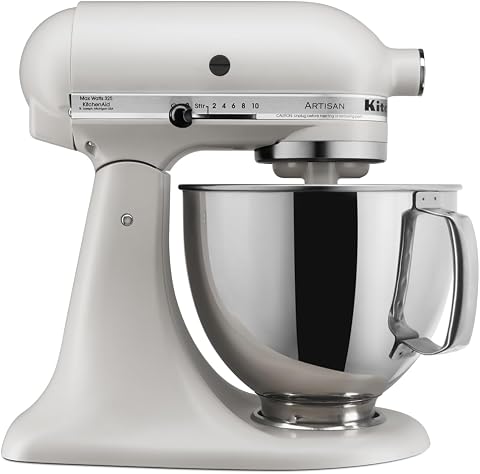
KitchenAid Artisan Series 5 Quart Tilt Head Stand Mixer
- ✔ Weight: 26 lbs
- ✔ Dimensions: 14 x 8 x 14 inches
- ✔ Warranty: 1 year limited

KitchenAid Stand Mixer Attachment
- ✔ Weight: 6 lbs
- ✔ Dimensions: 10 x 8 x 4 inches
- ✔ Material: Metal and plastic
KitchenAid Artisan Series 5 Quart Tilt Head Stand Mixer
The KitchenAid Artisan Series 5 Quart Tilt Head Stand Mixer is built for versatile baking and mixing tasks, with a sturdy metal construction and a wide range of speeds. While generally reliable, occasional gear or attachment issues can cause grinding sounds, which are fixable with proper inspection and maintenance.
Pros:
- Sturdy metal build
- Powerful 325-watt motor
- Multiple speed options
- Easy tilt-head access
Cons:
- Gears may wear over time
- Potential for internal noise issues
- Requires maintenance for optimal performance
Best for: Home bakers needing a durable, versatile mixer for small to large batches
Not ideal for: Heavy users who require commercial-grade durability without maintenance
Bottom line: A versatile, durable mixer that benefits from regular maintenance to prevent grinding noise issues.
KitchenAid Stand Mixer Attachment
The KitchenAid Stand Mixer Food Grinder attachment connects seamlessly to your mixer’s power hub, enabling you to grind meats, vegetables, and more with ease. It’s a great upgrade for those looking to expand their kitchen capabilities beyond mixing.
Pros:
- Multiple grinding plates
- Includes sausage stuffer tubes
- Large food tray
- Easy to clean
Cons:
- Requires separate purchase
- Additional storage space needed
- Cleaning can be time-consuming
Best for: Home cooks wanting to make fresh ground foods
Not ideal for: Users who prefer a dedicated grinder without a mixer attachment
Bottom line: Expand your mixer’s functionality with this reliable, versatile food grinder attachment.
Frequently Asked Questions
Why is my KitchenAid mixer making a grinding noise?
The grinding noise can be caused by worn gears, debris caught in the gear assembly, or lack of lubrication. Inspecting these components will help identify the issue.
Can I fix the grinding noise myself?
Yes, with proper safety precautions and the right replacement parts or lubrication, many issues can be fixed at home. Always unplug your mixer before starting repairs.
How often should I clean and lubricate my mixer?
Regular cleaning after use and periodic lubrication (every 6-12 months) can prolong the life of internal components and prevent grinding noises.
When should I replace internal parts?
If inspecting reveals worn or broken gears, bearings, or other components that cannot be repaired through cleaning or lubrication, replacement is recommended.
Is it safe to use my mixer if it makes grinding noises?
No, continued use can cause further damage. It’s best to troubleshoot and fix the issue before resuming normal operation.
Keep Your KitchenAid Mixer Running Smoothly
Regular maintenance and prompt troubleshooting are key to keeping your KitchenAid Artisan stand mixer operating quietly and efficiently. By inspecting internal parts, cleaning components, and replacing worn gears, you can resolve grinding noises and extend your mixer’s lifespan. Always prioritize safety and consider professional repair if you’re unsure about handling internal repairs yourself.
Affiliate disclosure: As an Amazon Associate we earn from qualifying purchases. Prices and availability are accurate as of the time of publishing.
NFL season / tailgating Picks
team gear
As an affiliate, we earn on qualifying purchases.