TL;DR

Get kitchen staples and gadgets delivered free with Prime
- Fast, free delivery on millions of items
- Prime Video, Amazon Music and more included
- Member-only deals all year
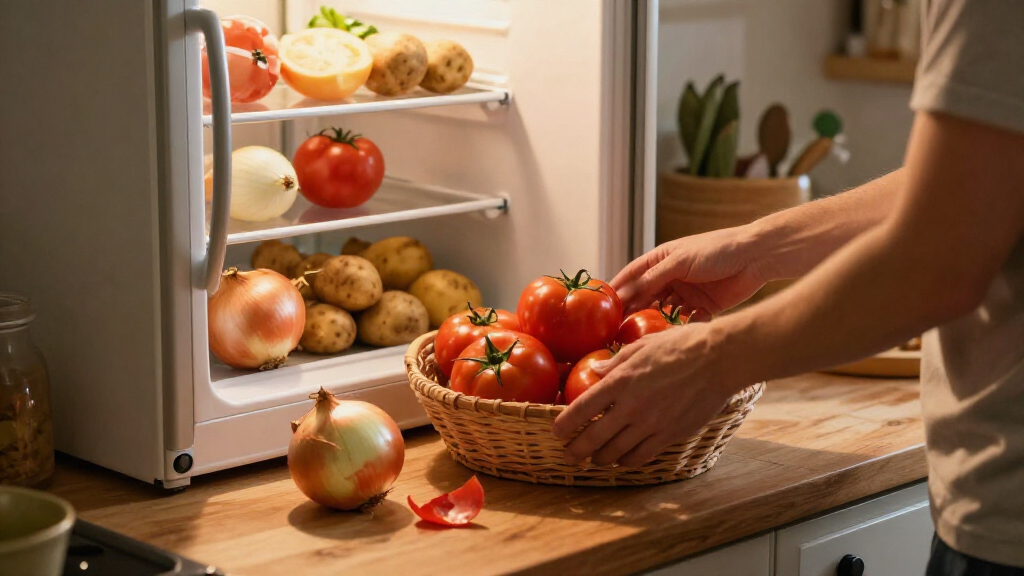
A recent report from The Kitchn, citing food scientist Abbey Thiel, says refrigeration can damage the flavor or texture of some vegetables, including potatoes, sweet potatoes, tomatoes and onions. The advice is about quality and storage conditions, not a blanket food-safety rule; the report does not provide a complete set of storage times or temperatures.
A new The Kitchn report says refrigerating potatoes, sweet potatoes, tomatoes and onions can harm their flavor, texture or condition, drawing on guidance from food scientist Abbey Thiel, PhD. The advice matters for shoppers who routinely put all fresh produce in the fridge, but it concerns storage quality and does not establish that every refrigerated vegetable is unsafe.
Thiel, founder of the website Abbey the Food Scientist, told The Kitchn that fresh produce continues to carry out metabolic processes and respire after harvest. Refrigeration slows those processes and can delay spoilage, she explained, but cold can also prompt changes in some vegetables. The report’s recommendations depend on the type of produce and, for potatoes, how it will be cooked.
For regular potatoes, Thiel said refrigeration can turn some of the starch into sugars. Those sugars can make potatoes brown more quickly during high-temperature cooking, before they develop the desired crisp texture. The report recommends keeping potatoes in a cool, dark place instead of the refrigerator. It says the sugar change matters less when potatoes are boiled for dishes such as mash or soup.
Sweet potatoes may develop chill injury after prolonged exposure to low temperatures, Thiel said. The resulting spots can remain hard after cooking. Tomatoes, meanwhile, may lose flavor because refrigeration disrupts processes involved in ripening. The report recommends storing them on the counter, either upside-down or with tape over the stem area. Onions are a separate case: Thiel says refrigerator humidity can encourage mold and decay, so they should be kept somewhere cool, dry and well ventilated.
Storage Can Change Cooking Results
The practical point is that one storage habit does not suit every vegetable. Refrigeration may help slow deterioration for some produce, but the report says it can work against the qualities people want from potatoes, sweet potatoes and tomatoes. For onions, moisture in the refrigerator is the concern described by Thiel.
Potato storage also has a potential food-safety dimension, though the report presents it cautiously. It says frying or roasting refrigerated potatoes can result in higher levels of acrylamide, a substance linked to increased cancer risk in some animal studies. The report also says the risks to humans remain unclear. That is not evidence that eating a refrigerated potato will cause harm, and the source does not offer a quantified estimate of human risk.
Following the storage suggestions may help preserve flavor and texture and reduce avoidable spoilage. It does not replace advice about discarding produce that is moldy or decayed, nor does the source establish that countertop storage is suitable in every household or climate.
Products Worth Considering

KitchenAid Artisan Mini 3.5-Qt Tilt-Head Stand Mixer, Candy Apple Red

Breville Barista Express Espresso Machine with Built-In Grinder, Black Sesame

Ninja Foodi Air Fryer 8 Qt DualZone 6-in-1 Grey DZ201
As an affiliate, we earn on qualifying purchases.
Why the Four Vegetables Differ
The report’s explanation is based on how produce responds to conditions after harvest. As Thiel told The Kitchn, fruits and vegetables remain metabolically active after they are picked. Lower temperatures slow those processes, but the effect is not identical across all vegetables: the article describes sugar accumulation in potatoes, cold injury in sweet potatoes, disrupted flavor development in tomatoes and humidity-related decay in onions.
The recommendations are therefore specific rather than a rule to keep all produce at room temperature. The Kitchn advises a cool, dark storage spot for potatoes, a cool and dry place for sweet potatoes, a counter for tomatoes and a cool, dry, ventilated location for onions. The source does not set exact temperature ranges, provide storage durations, or discuss every variety and household condition.
In its potato discussion, The Kitchn distinguishes cooking methods: the refrigeration-related sugar increase may affect high-heat browning, while it says the issue matters less for boiling. That distinction is relevant to the article’s advice to store potatoes outside the fridge when their intended use is uncertain.
“Fresh fruits and vegetables continue to carry out metabolic processes and respire even after they’re picked.”
— Abbey Thiel, PhD, founder of Abbey the Food Scientist, as quoted by The Kitchn
Limits of the Storage Advice
The Kitchn report does not give precise temperature ranges or storage times for any of the four vegetables, and it does not assess how factors such as a warm kitchen, high humidity or the vegetables’ condition at purchase might affect the recommendations. It also does not offer a full food-safety guide or claim that all produce should be stored outside refrigeration.
The health implications of acrylamide from refrigerated potatoes are not settled by the material provided. The report refers to findings from animal studies and says human risks remain unclear; it supplies no risk estimate or comparison that would support a stronger conclusion. The source also does not identify a specific food-safety authority or research study for that discussion.
The article’s advice is attributed to Thiel and should be read as storage guidance, not a guarantee that produce will stay fresh for a particular length of time. Whether a given item is still suitable to eat depends on its condition, which the report does not address in detail.
How Shoppers Can Apply It
For now, shoppers can follow the report’s distinctions: keep regular and sweet potatoes in a cool, dry or dark place; leave tomatoes on the counter; and store onions somewhere cool, dry and ventilated. People planning to fry or roast potatoes may especially want to avoid refrigerating them, based on the browning concern Thiel described.
The source provides no announced follow-up, new research release or formal policy change. Readers seeking more precise guidance can check recommendations from food-safety authorities for their location and household conditions. In the meantime, the report’s central advice is to store these vegetables by type, while treating the acrylamide discussion as an area where human health risks remain uncertain.
Key Questions
Which vegetables does the report say not to refrigerate?
The Kitchn report identifies regular potatoes, sweet potatoes, tomatoes and onions. It gives a different reason for each recommendation, ranging from flavor and texture changes to moisture-related decay.
Can refrigerated potatoes still be eaten?
The report does not say refrigerated potatoes are automatically unsafe to eat. It says cold storage can increase sugars that make potatoes brown faster during frying or roasting, and notes that the human health risks associated with acrylamide remain unclear.
Where should tomatoes be stored?
The report recommends storing tomatoes on the counter rather than in the refrigerator because cold can disrupt flavor development. It suggests placing them upside-down or covering the stem area with tape.
Why should onions be kept out of the fridge?
According to Thiel, refrigerator humidity can expose onions to moisture that encourages mold and decay. The report recommends a cool, dry and well-ventilated spot.
Does the report say all vegetables should stay out of the refrigerator?
No. Its recommendations apply to the four vegetables discussed, not all produce. The report says refrigeration slows spoilage for some foods and does not provide a universal storage chart or full food-safety guidance.
Source: thekitchn.com