
Restaurant hash browns taste better because chefs use high-quality potatoes, precise preparation, and professional equipment. They rinse or soak the potatoes to remove excess starch and double fry for perfect crispiness. Skilled cooks control oil temperature, choose better fats, and add seasonings during cooking to enhance flavor. These techniques lock in taste and texture, making hash browns more flavorful and crunchy. If you want to discover how to make your hash browns just as good, keep exploring.

Get kitchen staples and gadgets delivered free with Prime
- Fast, free delivery on millions of items
- Prime Video, Amazon Music and more included
- Member-only deals all year
Key Takeaways
- Restaurants use high-quality, carefully selected potatoes and precise preparation techniques to enhance flavor and texture.
- Commercial-grade deep fryers maintain consistent, optimal oil temperatures for even cooking and crispiness.
- Double frying and proper starch removal create a superior crispy exterior and tender interior.
- Skilled seasoning during cooking, including seasoned salts and flavor-enhancing ingredients, boosts taste.
- Attention to detail in technique and equipment results in a more consistent, flavorful, and crispy hash brown.

When you bite into a restaurant hash brown, it often tastes noticeably different from the ones you make at home, and that’s no coincidence. One of the main reasons is that restaurants excel at preserving flavor through specialized cooking techniques. They understand how to handle ingredients in a way that locks in taste and texture, creating that perfect balance of crispy exterior and tender interior. At home, it’s easy to overlook these nuances, often leading to hash browns that lack the same depth of flavor.
Restaurant hash browns stay crisp and flavorful thanks to expert techniques and quality ingredients.
In restaurants, they typically use high-quality potatoes and often choose specific varieties that hold up well during frying. They also pay close attention to how they prepare the potatoes beforehand. For example, many chefs rinse or soak the grated potatoes to remove excess starch, which helps prevent them from becoming gluey. This step is crucial for flavor preservation because it ensures the potatoes fry evenly and develop that desirable crunch without losing their natural taste. Additionally, some restaurants par-cook or partially fry the potatoes before final frying, which develops flavor and creates a more uniform, appealing texture.
Cooking techniques play a pivotal role in achieving that signature restaurant-quality hash brown. For one, they often use commercial-grade deep fryers that heat oil to precise temperatures, ensuring consistent cooking. This consistency allows the hash browns to develop an even, golden-brown crust that’s rich in flavor. When you cook at home, you might not have a thermometer to monitor the oil temperature, which can lead to uneven frying and a less flavorful result. Moreover, restaurants tend to use a blend of oils or fats with higher smoke points, enhancing the flavor profile of the hash browns. Proper oil temperature control is essential for achieving the perfect crispy texture without burning or sogginess.
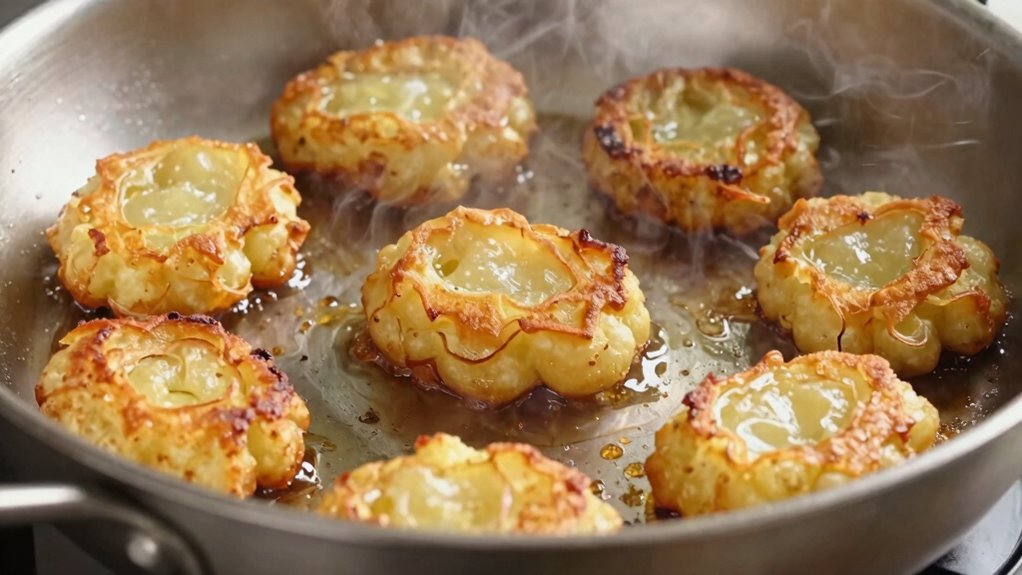
The way they cook also matters. Many chefs prefer to fry the hash browns twice — first to cook through, then to crisp up the exterior. This double frying technique locks in flavor and creates that irresistible crunch. At home, you might only fry once, which can result in a soggy or bland-tasting hash brown. Also, seasoned salt or flavor-enhancing ingredients are often added during or after cooking to boost taste, something home cooks might overlook or lack access to. The use of seasoned seasonings during cooking can significantly elevate the flavor profile and mimic restaurant-quality results.
Another factor is the flavor-enhancing ingredients often added during cooking, such as butter or specific seasonings, which elevate the overall taste. Using fresh ingredients and proper seasoning during each step can significantly impact the final flavor. All these factors—meticulous flavor preservation techniques, precise cooking methods, and high-quality ingredients—combine to give restaurant hash browns their unbeatable taste. When you attempt to replicate them at home, paying close attention to these details can make a significant difference, helping you get closer to that restaurant-quality crunch and flavor.
commercial deep fryer for home use
As an affiliate, we earn on qualifying purchases.
As an affiliate, we earn on qualifying purchases.
Frequently Asked Questions
Do Restaurants Use Different Potatoes for Hash Browns?
Yes, restaurants often use different potato varieties for hash browns, like Russet or Yukon Gold, to achieve better texture and flavor. These varieties have higher starch content, which helps create crispier, fluffier hash browns. Additionally, they might add flavor enhancements or seasonings to elevate the taste. By choosing specific potato varieties, restaurants intentionally craft a more appealing and consistent flavor, making their hash browns stand out from homemade versions.
How Does Oil Temperature Affect Hash Brown Flavor?
When you fry hash browns at the right oil temperature, around 350-375°F, they develop a crispy exterior and better flavor absorption. If the oil’s too hot, it degrades quickly, causing burnt tastes and uneven cooking. Conversely, if it’s too cold, the hash browns absorb excess oil, making them greasy. Maintaining proper temperature guarantees peak flavor, prevents oil degradation, and results in delicious, crispy hash browns every time.
Are Preservatives Used in Restaurant Hash Browns?
Think of restaurant hash browns like a carefully crafted symphony—preservative detection is key. Many restaurants use preservatives to guarantee freshness and extend shelf life, which can subtly impact flavor. These additives, often hidden, help maintain texture and prevent spoilage, enhancing flavor consistency. While they’re common, some diners prefer hash browns made without preservatives, valuing natural taste. So, yes, preservatives are used in restaurant hash browns for flavor enhancement and quality control.
What Cooking Equipment Do Restaurants Use That Home Kitchens Lack?
Restaurants use industrial fryers and commercial blenders, which you typically lack at home. Industrial fryers cook hash browns quickly and evenly at high temperatures, creating that perfect crispy exterior. Commercial blenders process potatoes into uniform shreds efficiently, ensuring consistent texture. These specialized tools give restaurant hash browns their signature crispiness and consistency, making them taste different—and often better—than homemade versions. Without this equipment, your hash browns might not achieve the same quality.
Does Pre-Cooking or Freezing Influence Hash Brown Taste?
Pre-cooking or freezing can change hash brown taste, acting like a double-edged sword—enhancing convenience but dulling flavor. You might notice seasoning variations don’t meld as well, and cooking techniques become less effective. Freezing can cause moisture loss, making hash browns less crispy. To keep that signature restaurant flavor, try fresh preparations or adjust your seasoning to compensate for texture changes caused by pre-cooking or freezing.
Conclusion
Think of restaurant hash browns as a secret recipe passed down through generations, each layer symbolizing the years of experience and tradition they carry. When you make them at home, you’re writing your own story, experimenting with flavors and methods. While they may taste different, both are chapters in your culinary journey. Embrace the uniqueness, knowing that every crispy bite is a small victory—your personal signature on a classic dish.
Halloween Picks
halloween
As an affiliate, we earn on qualifying purchases.